Five days ago, a court in Damascus sentenced Bashar al-Assad to death in absentia for murder, torture and crimes against humanity. Syrians celebrated what they believed was a reckoning with the machinery of terror that had ruled their country for more than half a century.
Today, another Syrian family is mourning a man who entered a police station alive and left it so grievously injured that doctors could not save him. His name was Mohammed Hussam al-Din Ghamira. He did not die in one of Assad’s dungeons. He died under the government of the revolution.
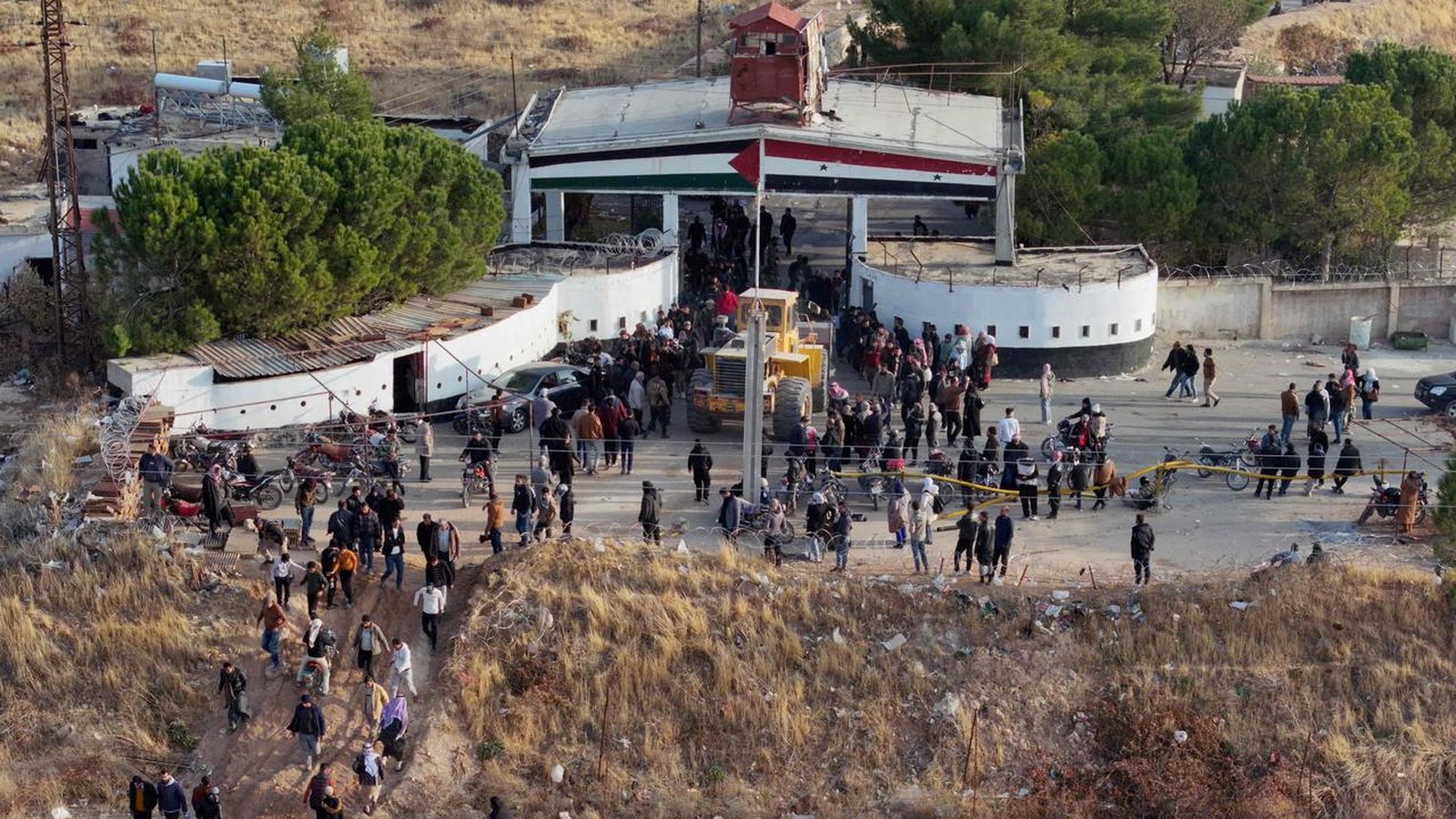
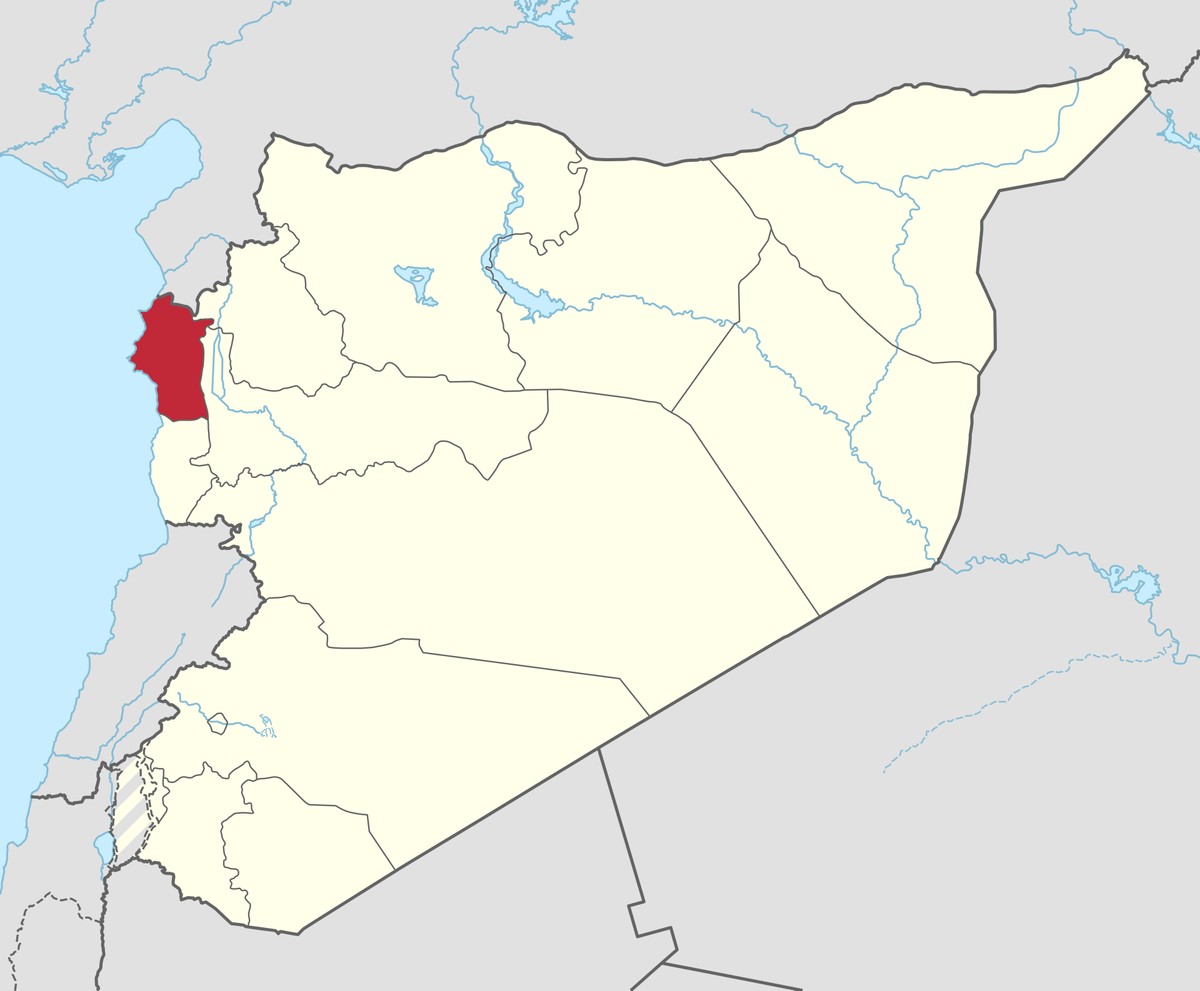
Ghamira was detained for three days at the police station in al-Haffah, near Latakia, reportedly following a financial complaint. His family says officers were warned that he suffered from a hereditary blood-clotting disorder.
According to their account, that warning did not protect him. He was allegedly beaten and tortured until he suffered catastrophic internal bleeding in his head and abdomen. By the time his family found him in hospital, his neurological condition was deteriorating. He lost the power of speech, suffered a severe cerebral haemorrhage and reportedly endured three cardiac arrests before dying in intensive care at Tishreen University Hospital on Sunday.
A necessary response that is nowhere near sufficient
The Syrian authorities say seven people who were present in the detention area have been arrested while an investigation takes place. That response is necessary, but it is nowhere near sufficient. Arresting the men who may have wielded the fists does not answer the more frightening question: what persuaded them that they could beat a vulnerable detainee inside a police station belonging to the new Syria? Who trained them, who supervised them and what culture of impunity allowed them to believe that the walls of a cell would swallow whatever happened inside?
For 14 years, Syrians told the world that Assad’s prisons were not incidental blemishes upon his state. They were the state. Torture was not the occasional misconduct of a few undisciplined guards; it was a language of government. Sednaya, the Palestine Branch, Mezzeh and the military hospitals became stations along an industrial route of humiliation, mutilation and death.
Men — and women — disappeared behind their doors. Families spent years searching for them. Bodies emerged carrying numbers instead of names. The revolution was born partly from the torture of children in Daraa and sustained by the promise that never again would a Syrian be dragged into a security building and abandoned to the appetites of men in uniform.
That promise has now been broken. But we should not be surprised.
My colleague Bilal Abdul Kareem, himself a prisoner in Syria, warned the new regime that it could not behave like the old one.
When he raised suspicions of torture inside HTS prisons, he was locked up and experienced it first-hand. When he emerged, Bilal, the founder of On the Ground News, produced a hard-hitting documentary exposing Jolani’s thugs and their tactics.
Sadly, despite his campaigning, Bilal’s warnings went unheeded by an increasingly arrogant leadership. Well-known and respected sheikhs tried to hush us all up and stop us criticising the new regime for fear that it would harm the revolution. What a bloody nerve!
Some even criticised Bilal for campaigning against torture and, to their eternal shame, shuffled around and looked the other way when he was arrested. He has now been held for 227 days without charge or trial, and the only reaction I have received is: “Shut up, or you’ll undermine the revolution.”
I am not as brave or as strong as Bilal. I do not live under the “shelter” of these thugs and torturers, but I have offered to go to Syria and meet them. This is a hugely serious problem for a regime intent on sucking up to the West and making millions of dollars along the way.
Not one ghastly aberration
Ghamira’s death cannot be dismissed as one ghastly aberration. The Syrian Observatory for Human Rights reported on Saturday that it had documented 75 deaths in detention centres operated by the post-Assad authorities since the former regime fell.
The Syrian Network for Human Rights documented at least 210 arbitrary arrests and detentions during the first three months of this year alone. Different organisations use different methodologies and the government is entitled to investigate individual claims, but no serious administration can look at those figures and continue pretending that it is dealing with a handful of bad apples.
President Ahmed al-Sharaa cannot build legitimacy by placing Assad’s henchmen in the dock while allowing new henchmen to learn their trade in the cells downstairs. Transitional justice is not theatre. It is not a death sentence pronounced against a fugitive living comfortably in Moscow, nor a televised parade of yesterday’s criminals while today’s victims bleed beyond the cameras. Justice begins with the conduct of the state now: how it treats the powerless, the unpopular, the accused and the man whose family has already warned the police that one blow could kill him.
Those who supported the Syrian revolution must be the first to say this and the loudest. Loyalty to a revolution is not loyalty to the men who inherit its ministries. It is loyalty to the principles for which people marched, endured siege, crossed seas, buried their children and entered prisons from which they knew they might never return. Silence now would not protect the revolution. It would complete its corruption.
The al-Sharaa government inherited a traumatised country, fractured institutions, armed factions and a security apparatus steeped in brutality. Nobody imagined that half a century of dictatorship could be disinfected overnight. But difficult circumstances explain only so much. They do not excuse torture. They do not excuse torture. They do not revive a man whose family says he was beaten despite warnings about his illness. Nor do they permit Syria’s new rulers to use the habits of the old state while insisting that the flag above the building makes everything different.
What accountability would actually look like
The government must publish the names and positions of everyone detained in connection with Ghamira’s death; release the findings of an independent investigation; preserve police records and surveillance footage; suspend the entire chain of command at al-Haffah station; allow independent monitors unrestricted access to every detention facility; disclose the names and whereabouts of all prisoners; and prosecute those responsible in an open civilian court. Anything less will amount to the state investigating itself, acquitting itself and asking a bereaved family to call that justice.
Mohammed Hussam al-Din Ghamira may prove to be more than the latest casualty of Syria’s prisons. His death may mark the moment when the country was forced to look without illusion at what its revolution had become. Assad has gone. His portraits have been torn down, his statues smashed and his officials placed on trial. Yet the cell doors still close, the interrogators still raise their hands and families still wait outside hospitals for news of men taken alive by the state.
Today, as Syrians look from the jailers they defeated to the jailers who replaced them, the uniforms may be different and the slogans may have changed. But through the bars of the prison cell, it is becoming impossible to tell where the old regime ends and the new one begins.
George Orwell provided the final warning in Animal Farm: “The creatures outside looked from pig to man, and from man to pig, and from pig to man again; but already it was impossible to say which was which.”
Reader comments
Subscribers can join the conversationSign in to join the conversation. Comments are open to everyone with a free account.
Sign in or create accountLoading comments…