
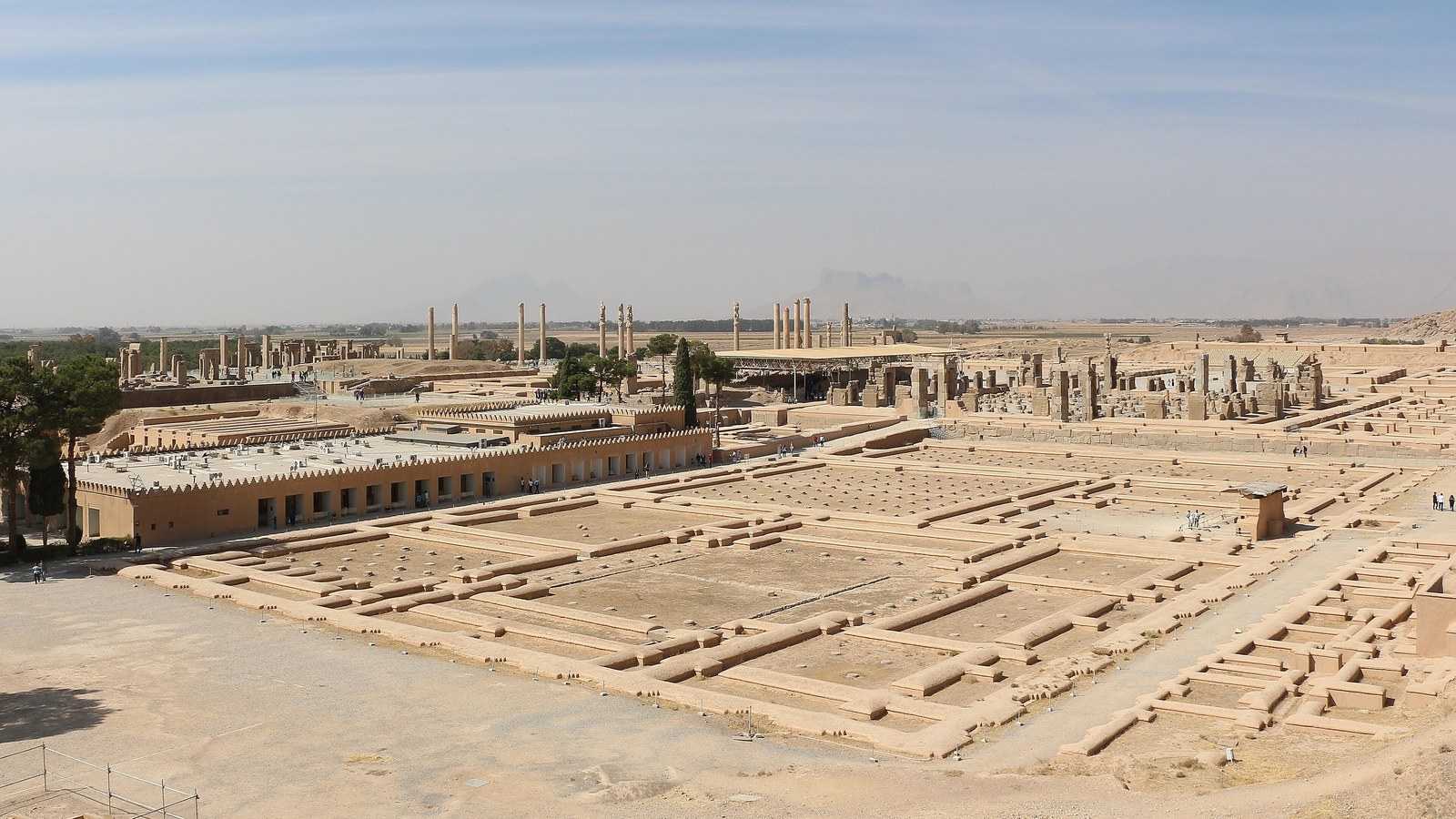
A Land of Ancient Roots and Living Culture
To cross the borders into Iran is to step directly into one of the oldest continuous major civilisations in human history. For thousands of years, this vast plateau served as the literal and cultural crossroads of the ancient world, anchoring the mighty Achaemenid Empire under Cyrus the Great, functioning as the vital midsection of the historic Silk Road, and later flourishing as a global centre of Islamic science, poetry, and architecture.
Far from a relics-only museum, this deep history lives dynamically in the everyday reality of the country. Modern Iranian life is beautifully anchored by centuries-old customs, a deep national reverence for classical poets like Hafez and Saadi, and an architectural legacy of intricate tilework, hidden courtyard gardens, and grand mud-brick desert citadels that have defined the region's aesthetic for millennia.
At the absolute centre of the contemporary travel experience is Iran’s legendary culture of hospitality. Rooted in the ancient social code of Taarof—a complex system of cultural politeness and deep respect—and a genuine, profound curiosity toward international visitors, foreign travellers are routinely met with unparalleled warmth. It is entirely common to be stopped on the street by locals offering direct help, spontaneous historical storytelling, or invitations to share a pot of hot tea.
Yet, arriving here as a Western journalist brings an immediate encounter with modern political friction. Before you can even step out into the city, you face the standard, meticulous border security procedure of completely emptying your suitcase on the counter for inspection.
It is a stark reminder of the geopolitical crosshairs this nation sits in, especially given the continuous, aggressive rhetoric from Washington.
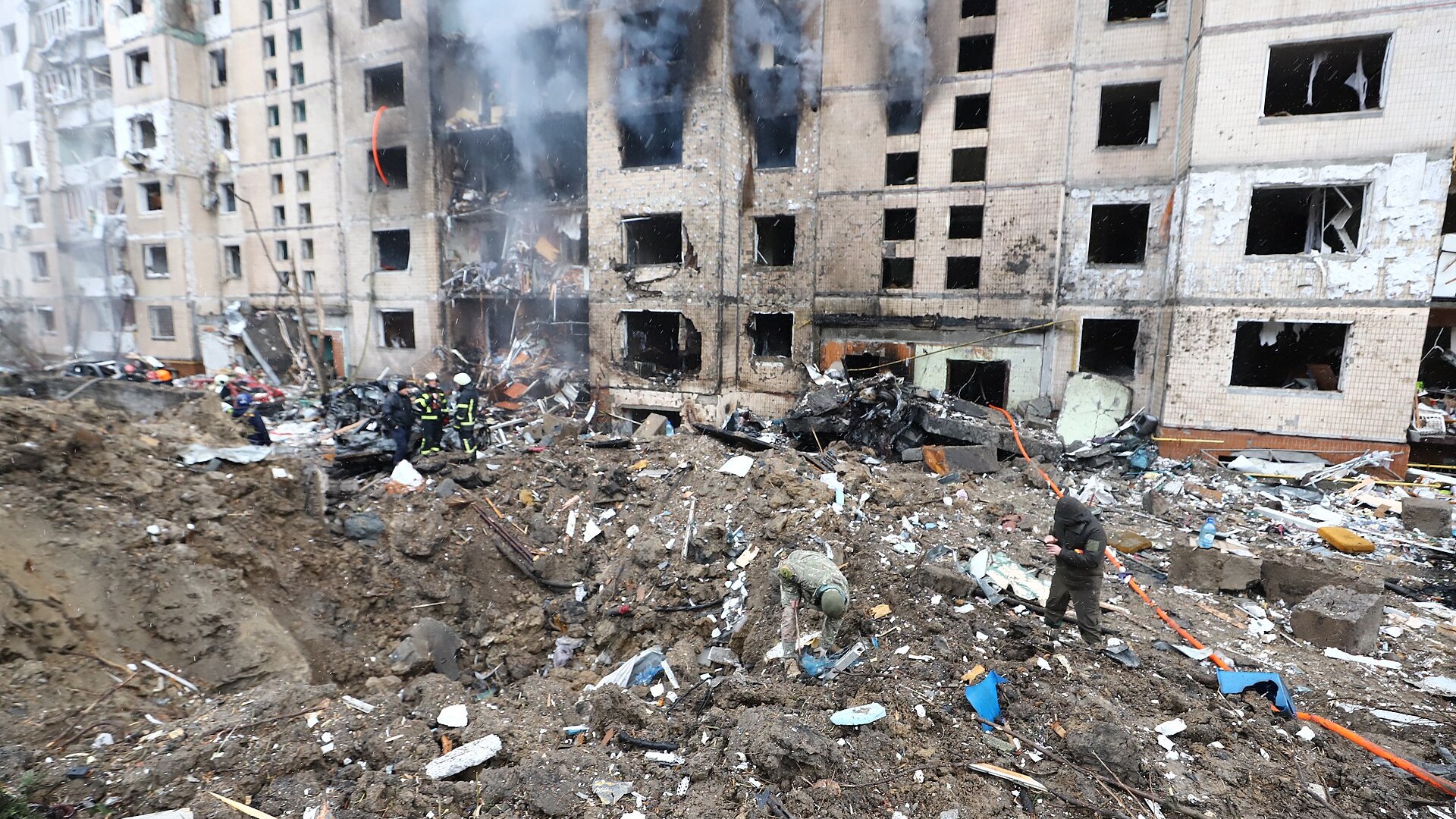
With Donald Trump back in the White House blustering about obliteration, and the ever-present regional anxiety over sudden airstrikes and bombs, navigating the border feels incredibly tense.
Of course, airport security is a pain for most travellers regardless of where they land, and in reality, Tehran is no worse or better than anywhere else in the world when it comes to arrival protocols.
But while navigating the state apparatus requires adjusting to these unique modern realities, the reward just beyond the security gate is an intimate, eye-opening encounter with a deeply sophisticated society where ancient heritage, jaw-dropping natural geography, and genuine human connection seamlessly collide.
Tehran and the Caspian Sea: A Dramatic Contrast
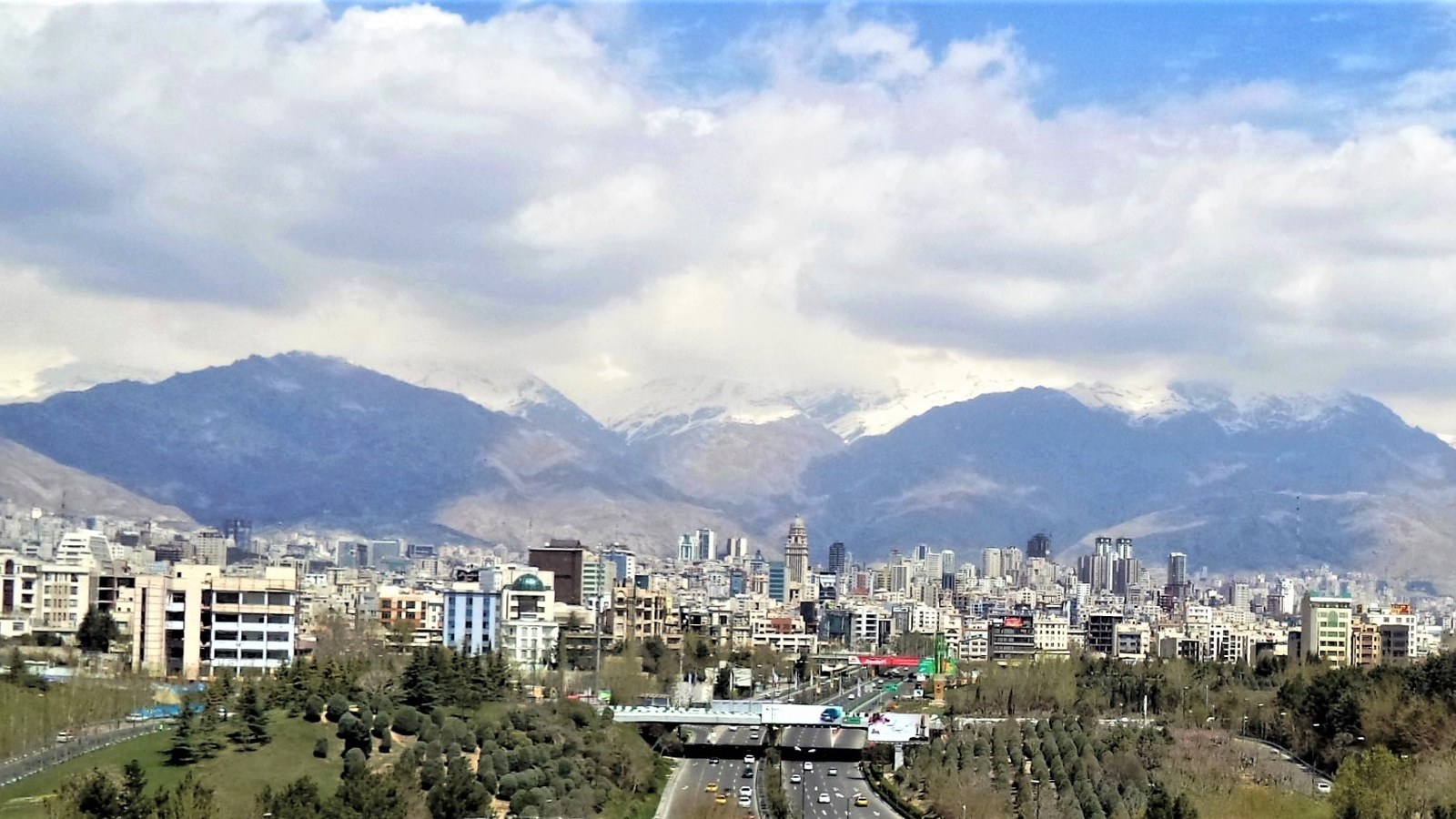
Personally, I would start my journey in the capital. Beyond the historic centres of the south, Tehran boasts an astonishingly dramatic landscape where urban sprawl meets the towering peaks of the Alborz mountain range. Riding the iconic Tochal Telecabin - one of the highest and longest continuous cable car networks in the world - offers breathtaking panoramic views as the city haze dissolves into crisp mountain air. A round trip is about €10 Euros. For the fully equipped adventurer with a bit of time, the region presents a surreal geographical contrast and challenge: it is entirely possible to go skiing on fresh mountain powder in the morning and, after a scenic drive down the northern slopes, go swimming in the Caspian Sea by the afternoon.
Navigating the local culture requires standard awareness, as the baseline expectation for modesty mirrors visiting the Vatican, a historic cathedral, or other holy sites where visitors are requested to cover up. To easily manage this while out and about, layering a traditional Abaya over standard Western clothes provides an effortless way to respect local customs and move comfortably between venues.
It is worth noting that public beaches along the Caspian coast are strictly gender-segregated, meaning women and men swim in designated private sections, allowing everyone to enjoy the coast while maintaining traditional social guidelines.
Also worth a note for the culinary experts with a bit of extra cash, the Caspian Sea is home to the prehistoric-looking Beluga Sturgeon fish and caviar.
In Iran you can sit down and eat freshly caught sturgeon for around 40 Euros. While you can eat farmed sturgeon and its caviar legally in the UK, you cannot catch or eat native wild sturgeon because historically it is claimed as "Royal Fish" belonging to the monarch!
Because of the extreme volatility of the Iranian Rial, luxury venues baseline their menus against international currencies. While high-end by local standards, these prices are significantly cheaper than what you would pay for authentic Caspian sturgeon for caviar in London or New York. And trust me the experience is well worth it.
On the Road to Persepolis: Logistics and Local Life
To get to Persepolis from Tehran, you must first travel down to Shiraz, as the ancient ruins sit roughly 60 kilometres northeast of the city and have no direct long-distance transit stations. Flying from Tehran’s Mehrabad International Airport to Shiraz is the fastest and most seamless bridge, with heavily subsidised domestic tickets generally averaging between thirty-five and sixty-five Euros one-way.
Alternatively, the extensive rail network offers a scenic, overnight sleeper cabin option (it's on my bucket list at only 40 Euros) that saves on a hotel night, while high-comfort long-distance VIP buses operate hourly for maximum budget savings.
Once in Shiraz, making the final leg out to the ruins is highly straightforward. Ordering an air-conditioned hotel taxi for a half-day trip remains the most convenient route, where your driver takes you out, waits for a few hours, and brings you back. However, budget-conscious travellers frequently use a clever app workaround. By using Snapp, Iran's local equivalent of Uber, a one-way trip out to the site is incredibly cheap, costing just a few Euros. Because fetching a fresh ride in the desert is nearly impossible for the return leg, travellers simply negotiate a flat cash return rate directly with their arriving driver to wait for them.
For history enthusiasts, guided day tours can also be booked through local agencies to bundle transit, entry tickets, and a stop at the nearby rock-cut tombs of Naqsh-e Rostam.
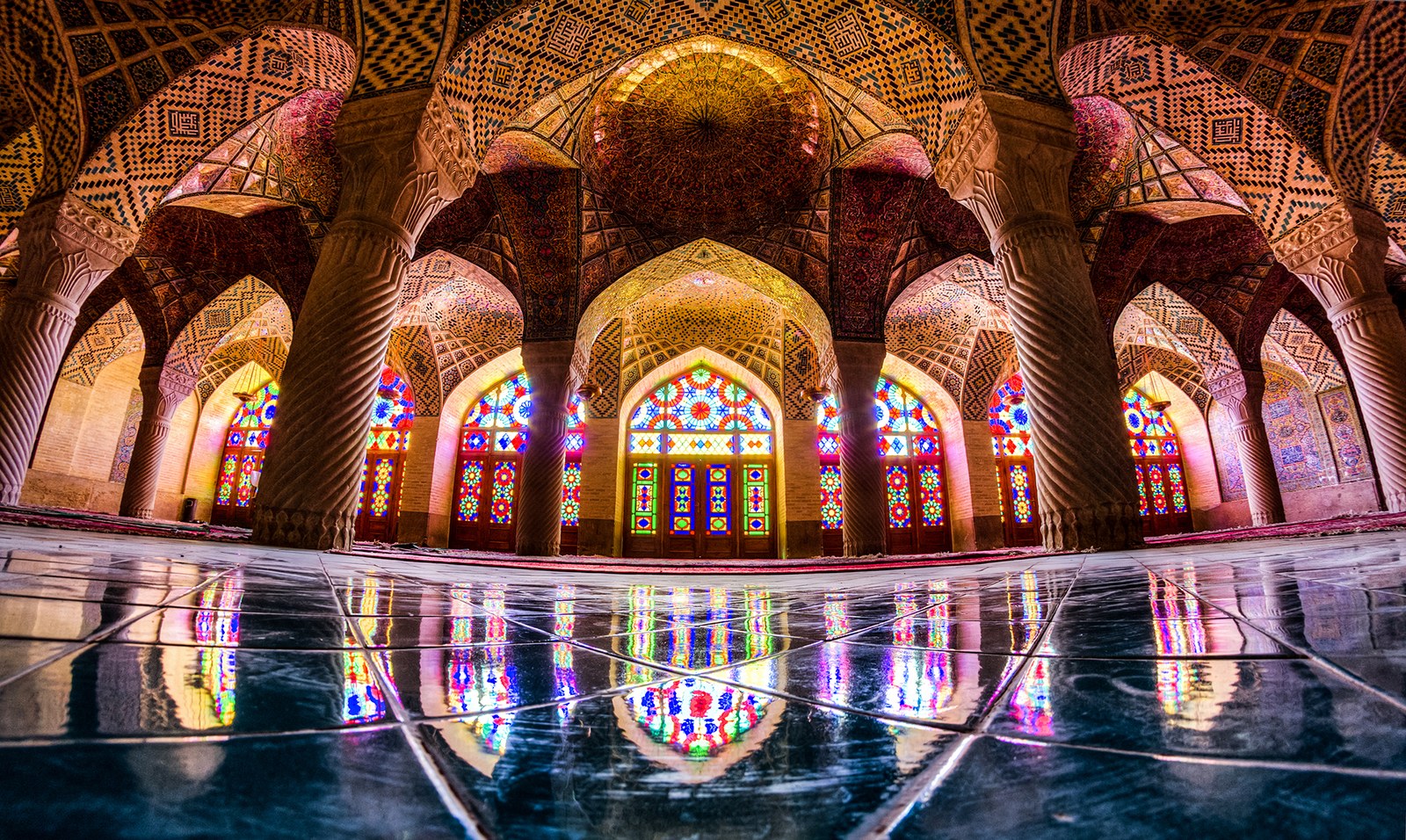
Living and moving smoothly through Iran requires adapting to a few specific local systems, particularly regarding fashion and finance. While women must always wear a headscarf and loose, long-sleeved clothing reaching the mid-thigh, men are expected to stick to long trousers and avoid shorts or sleeveless tops. Dining across the country is a highlight, focusing on aromatic dishes like Kabab Koobideh, the herb-rich Ghormeh Sabzi stew, or the Shirazi speciality Kalam Polo. Because alcohol is illegal, restaurants channel their creativity into intricate herbal mocktails, teas, and savoury yoghurt drinks.
Ultimately, this isn't an inclusive package holiday catering for the excesses of bawdy drunken Western holidaymakers and their families who prefer to be locked in to gated resorts; it is a destination meant for genuine explorers. Managing funds requires careful preparation.
Due to international banking sanctions, foreign credit cards, debit cards, and ATM networks do not work anywhere in Iran. Cash is absolute king, and visitors must bring their entire trip budget in crisp, undamaged Euros or US Dollars.
These can be safely converted at excellent open-market rates at city exchange shops known as Sarafi, or loaded onto specialised Iranian tourist debit cards upon arrival to avoid carrying large physical stacks of bills. Settle all private driving rates in advance, and rest assured that if you happen to fall ill, the country boasts an advanced, highly professional medical network with affordable generic pharmacies and English-speaking doctors, though all treatments must be settled out-of-pocket using physical cash.
Traveller’s Practical Legend
Snapp: Iran’s highly reliable, ultra-affordable ride-hailing app. Download the app before arriving, as it functions exactly like Uber for effortless city travel and short-distance excursions.
Financial Sanctions: Foreign credit/debit cards and international ATM networks (Visa, Mastercard) do not work anywhere in Iran. You must carry physical cash for your entire trip.
Cash Economy: Bring crisp, undamaged Euros (€) or US Dollars ($). Exchange them locally at authorised exchange shops (Sarafi) rather than airport banks to secure the much better open-market exchange rate. Alternatively, pick up an Iranian Tourist Debit Card (MahCard) upon arrival to avoid carrying large physical stacks of paper money.
Price Negotiation: Always agree on a fixed price with private drivers before stepping into the vehicle. It is entirely standard and expected to negotiate fares in Euros or USD to avoid fluctuating local exchange rates.
Where to Stay
Shiraz: Luxury to Humble Guest Houses
For premium luxury and modern amenities, the Shiraz Grand Hotel stands as the city's premier five-star landmark. Built directly into the northeastern mountain range near the historic Quran Gate, this upscale hotel offers an iconic, ship-like architectural design and a panoramic view of the entire city skyline. Guests have access to massive, luxurious lobbies, excellent air-conditioned rooms, upmarket restaurants serving traditional Shirazi cuisine, and specialised, gender-segregated indoor pools and sports facilities. It remains the ultimate choice for travellers looking for contemporary, high-end comfort and professional hospitality.
For an authentic cultural experience that blends historical charm with mid-range comfort, Shiraz is famous for its exquisitely restored boutique properties, such as the highly-rated Golbahar e Shiraz Boutique Hotel. Tucked away in the historic Sang-e Siah neighbourhood, this boutique stay features traditional Iranian architecture arranged around a central courtyard. Reviewers frequently praise the property for providing a high-quality experience that rivals luxury standards, offering clean rooms, incredibly friendly hosts, and signature regional dishes like Kalam Polo. It provides a peaceful, atmospheric refuge that allows visitors to live inside a piece of Persian history.
Travellers seeking budget-friendly, humble accommodations will find exceptional value and warmth in the city's traditional guest houses, exemplified by the Shiraz Traditional Hotel (also known as the Rashedi Historic House). Located deep within the historic heart of District 8, this budget-conscious guesthouse features humble but highly functional rooms equipped with private showers and toilets, all surrounding a beautiful, sunlit yard. Known for its exceptional hospitality, the local hosts provide outstanding, home-cooked breakfasts and personalised service that guests note makes for a deeply memorable stay. It is the perfect spot for backpackers and culture-focused tourists who prioritise human connection and local charm over modern frills.
Esfahan: Imperial Splendour & Heritage Houses
For the pinnacle of luxury and historical grandeur, the iconic Abbasi Hotel is the ultimate five-star destination in Esfahan. Originally built three centuries ago as a traditional caravanserai, this magnificent property on Amadgah Street seamlessly blends museum-grade Persian art with modern hospitality. Guests can admire spectacular miniature paintings, complex wall carvings, and mirror work before stepping out into the legendary central courtyard garden to enjoy traditional tea. Its prime location offers effortless, walkable access to the monuments of Naqsh-e Jahan Square, making it the top choice for travellers seeking a majestic, upscale stay.
For an intimate, culturally immersive experience at a more accessible price point, the city’s beautifully restored heritage properties like Kianpour's Boutique Hotel provide exceptional atmospheric charm. This carefully preserved Qajar-era residential estate features authentic architectural layouts, stained-glass windows, and cosy rooms arranged around a peaceful central courtyard. Guests frequently highlight the highly personalised service and excellent traditional breakfasts that offer a true taste of local Isfahani life. It serves as an idyllic, budget-friendly refuge for culture-focused travellers looking to step back in time without sacrificing essential comforts.
Tehran: Five star Palaces or cosy chatty hostels
For absolute luxury and spectacular panoramic views, the five-star Espinas Palace Hotel stands out as Tehran's ultimate upscale landmark. Situated in the tranquil, affluent northern neighbourhood of Saadat Abad, this grand hotel boasts a massive, palace-style lobby, fine-dining restaurants serving traditional Iranian cuisine and caviar, and premium wellness facilities. It offers an exceptional standard of contemporary luxury, making it the preferred choice for diplomats and international business travellers who want a refined, quiet refuge away from the city's chaotic central traffic.
Budget-conscious backpackers and solo travellers looking for a social, humble atmosphere will find unparalleled value at the Tehran Heritage Hostel or the cosy Hi Tehran Hostel. Set in beautifully maintained historic properties with peaceful central courtyard gardens, these spaces provide incredibly clean, affordable dorm beds and private rooms. Located in lively central districts just minutes from the city's main metro lines and historical museums, they are famous for their extremely friendly, English-speaking staff who effortlessly help travellers coordinate tours, navigate domestic logistics, and share travel stories over complimentary morning tea.
Reader comments
Subscribers can join the conversationSign in to join the conversation. Comments are open to everyone with a free account.
Sign in or create accountLoading comments…