A Russian cruise missile crossed into Poland and crashed in a rural area during one of the largest recent overnight attacks on Ukraine, prompting NATO aircraft to scramble as strikes killed at least nine people and injured more than 50.
A missile crosses into NATO territory
Polish officials said the weapon appeared to be a Russian Kh-101 cruise missile of the type used in the wider assault on Ukraine. It entered Polish airspace before coming down near Tarnawa-Kolonia in the east of the country, leaving a large crater but causing no reported injuries.
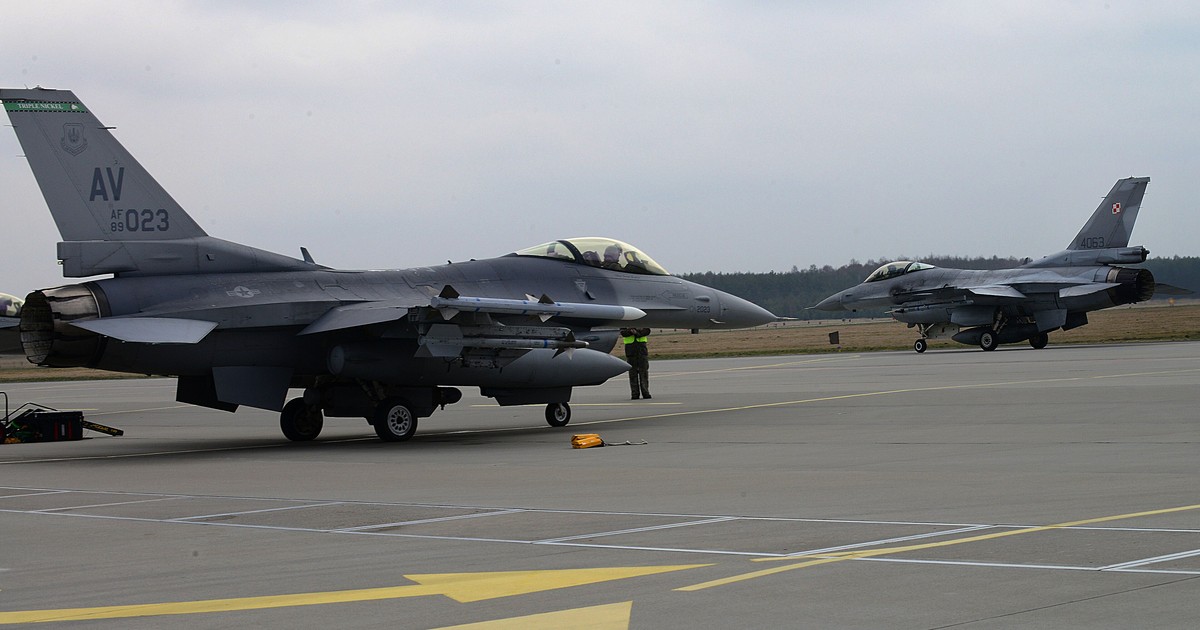
Poland and allied forces activated air and ground defences while the attack was under way. Fighter aircraft were sent into the air as authorities tracked threats approaching the border. The incident brought the consequences of Russia's assault directly onto the territory of a NATO member, even though Polish officials said there was no evidence that Poland had been deliberately targeted.
The distinction matters. An accidental or uncontrolled airspace violation is a serious security event, but it is not automatically treated as a deliberate military strike. Poland is investigating the missile's route, condition and impact site while remaining in contact with NATO allies and Ukraine.
A broad assault across Ukraine
Ukraine said Russia launched more than 70 missiles and around 280 drones overnight. The barrage reached several regions and included a high number of ballistic and cruise missiles, placing pressure on air-defence systems already stretched by repeated attacks.
At least nine civilians were reported killed, including children, and more than 50 people were injured. The toll remained provisional as rescue teams searched damaged buildings and local authorities assessed destruction across multiple cities.
In Kyiv, tens of thousands of residents sheltered in underground stations during the alert. Other regions reported damage to homes, energy infrastructure and civilian facilities. Russia said its forces had targeted military-industrial sites, but the strikes again caused civilian casualties and damage far beyond any claimed military objective.
Air defence under pressure
Ukrainian officials said many of the drones and cruise missiles were intercepted, but ballistic missiles remain harder to stop. President Volodymyr Zelenskyy renewed calls for more air-defence systems and interceptor missiles, arguing that shortages are leaving cities exposed to attacks that can arrive with little warning.
The Polish incident adds a separate NATO concern. Alliance states on the eastern flank have repeatedly scrambled aircraft or activated defences when Russian missiles and drones approached their borders. Every breach increases the risk of miscalculation, especially during a large, complex attack involving different weapons travelling on multiple routes.
What happens next
Poland's investigation will determine the missile's precise flight path and whether technical failure, navigation error or interception contributed to its fall. NATO will also assess whether changes are needed to air-policing and missile-defence arrangements along the alliance's eastern frontier.
For Ukraine, the immediate concern remains the human cost and the ability to protect cities from further barrages. For Poland and NATO, the crash is another warning that the war's risks do not stop neatly at Ukraine's border.
Reader comments
Subscribers can join the conversationSign in to join the conversation. Comments are open to everyone with a free account.
Sign in or create accountLoading comments…