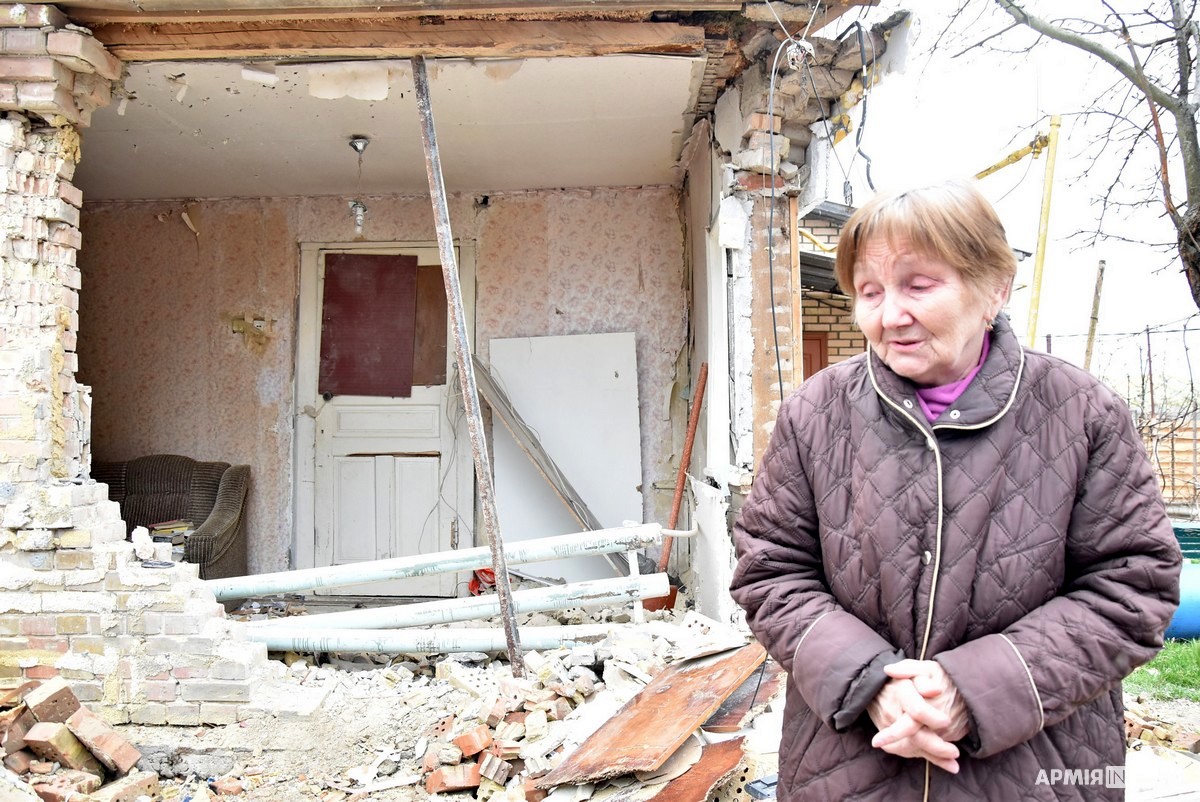
A Russian ballistic missile strike on an event at a privately operated military training site in the Bucha district near Kyiv has killed at least 10 people and wounded nearly 100, Ukrainian officials said.
The attack struck during daylight hours on Friday and hit a gathering linked to the defence industry. The scale of the casualties has intensified concern over both Russia's use of ballistic missiles and the decision to assemble a large number of people at a sensitive event during wartime.
Ukrainian President Volodymyr Zelenskyy said criminal investigations had been opened. He placed responsibility for the deaths on Russia while also warning that weapons exhibitions and other crowded defence events should not be organised near residential areas under current security conditions.
Two investigations
Ukrainian authorities are examining the strike as a potential war crime. A parallel line of inquiry is expected to consider whether organisers failed to take sufficient precautions when arranging the event.
That distinction matters. The organisation of a vulnerable gathering does not reduce responsibility for the missile attack, but it may reveal preventable security failures in a country where Russian surveillance and long-range strike capabilities remain a constant threat.
The location in the Bucha district carries particular resonance. Bucha became internationally associated with alleged atrocities committed during Russia's occupation of areas north of Kyiv in 2022. The district has since rebuilt homes and services while remaining exposed to renewed missile and drone attacks.
Pressure for more air defence
The strike came as Kyiv continued to press its partners for additional air-defence systems and interceptors. Ballistic missiles travel at high speed and can be difficult to stop, making systems such as the US-made Patriot an important part of Ukraine's defence strategy.
Zelenskyy met representatives of Raytheon, which produces the Patriot system, shortly before the attack. Ukraine has explored expanded purchases and possible co-production arrangements as it seeks to protect cities, infrastructure and military sites from increasingly complex Russian barrages.
The latest deaths will reinforce Kyiv's argument that air-defence shortages have direct consequences for civilians and military personnel. They will also sharpen domestic demands for tighter operational security around publicised defence events.
A wider wave of attacks
The Bucha district strike formed part of a broader period of intensified attacks by both Russia and Ukraine. Russian missiles and drones have continued to hit Ukrainian communities, while Ukrainian forces have expanded long-range attacks on military and energy facilities inside Russia and Russian-occupied territory.
Each side describes its operations as attacks on military capacity, but the war continues to produce civilian deaths and damage far from the front line.
For Ukraine, the immediate task is to identify the dead, support the wounded and establish how the missile reached its target. The longer-term question is whether the tragedy changes the way defence-related gatherings are organised in a country where any concentrated event can become a target.


Reader comments
Subscribers can join the conversationSign in to join the conversation. Comments are open to everyone with a free account.
Sign in or create accountLoading comments…