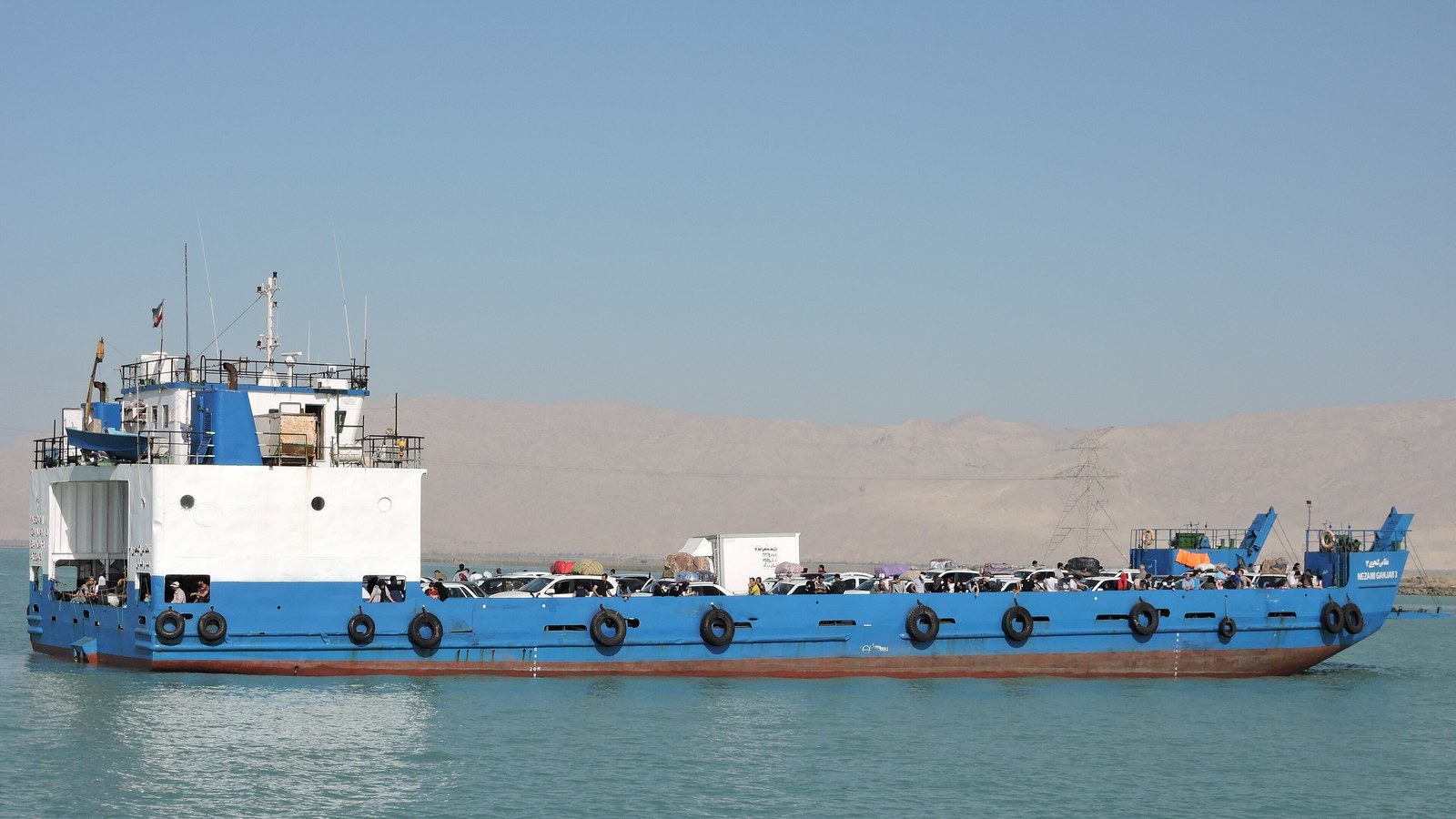
Qatar’s prime minister and foreign minister, Sheikh Mohammed bin Abdulrahman Al Thani, is in Tehran as regional governments seek a diplomatic route out of the conflict around Iran and the Strait of Hormuz.
AP reported that his meeting with Iranian Foreign Minister Abbas Araghchi included efforts to reduce escalation and a proposal involving Iran and Oman to allow safer passage through the Strait of Hormuz and clear mines from the waterway. Qatar’s Foreign Ministry had already said, after a 25 August telephone call, that the two ministers discussed ongoing Oman-Iran talks on a temporary joint shipping corridor and mine-clearance project.
Those are important but limited facts. They confirm that the issue is being actively negotiated and that maritime navigation is at the centre of the discussion. They do not confirm a completed agreement, a timetable, a security guarantee, a route open to all shipping or the removal of any particular minefield.
The distinction matters because Hormuz is both a commercial passage and a security flashpoint. Announcing an intention to protect navigation is different from restoring reliable passage for crews, insurers, traders and states whose vessels may still face risk. Any claim that the waterway has reopened needs evidence from maritime authorities, ship operators and insurers, not just political statements.
The next credible tests are operational: whether an agreed text is published, which states or agencies would monitor it, what ships are covered and whether commercial traffic moves safely under the proposed arrangement. Until then, the confirmed story is diplomacy under pressure, not a settlement.

Reader comments
Subscribers can join the conversationSign in to join the conversation. Comments are open to everyone with a free account.
Sign in or create accountLoading comments…