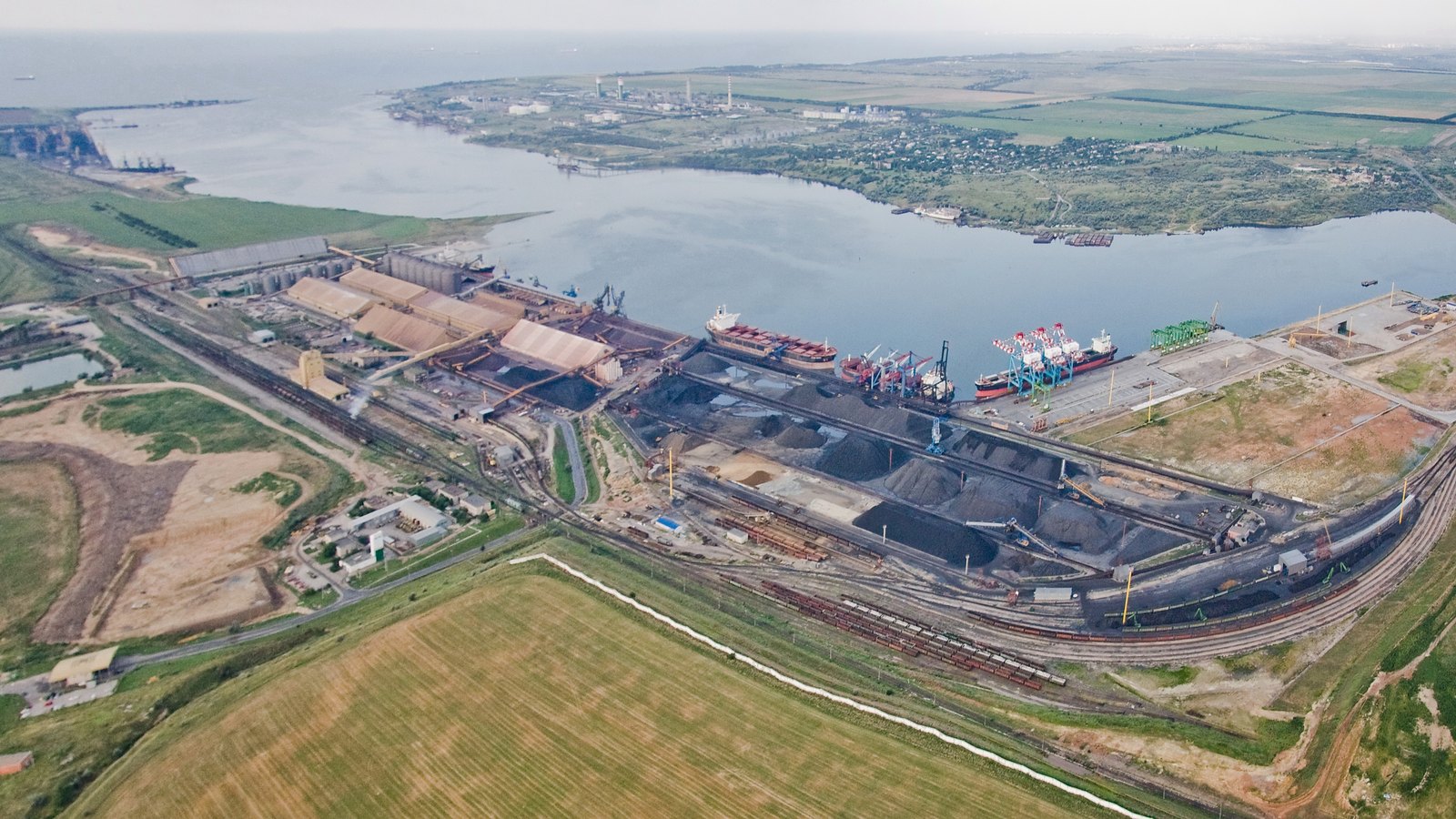
Russian President Vladimir Putin has warned that Ukraine opened “Pandora’s box” by striking Russian economic targets and said Moscow would retaliate against Ukraine’s most sensitive economic sectors.
Putin’s comments were published on Saturday by a Russian state television journalist and reported by Reuters. He said Ukraine had set out to damage Russia’s economy and should expect a response. The warning came as both sides broadened their use of drones and missiles against infrastructure that supports energy, logistics, production and exports.
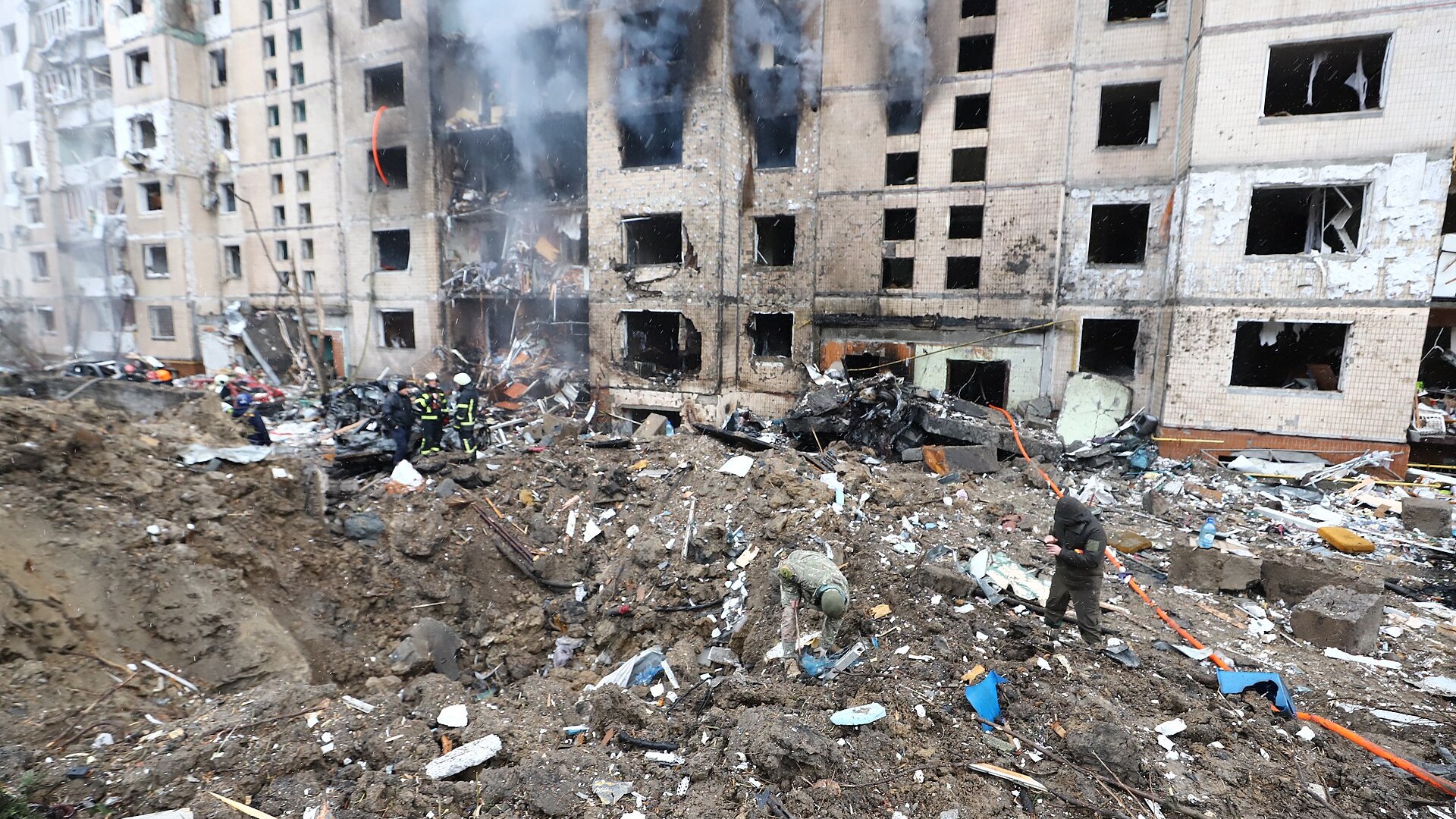
Ukraine has intensified a summer campaign against Russian economic infrastructure, including oil refineries and warehouses belonging to online retailers, according to Reuters. Kyiv has argued that the targets are connected to Russia’s ability to sustain the war. Russia has responded with attacks on Ukrainian economic infrastructure, including routes used for grain exports through the Black Sea.
That change in target selection carries a different risk from a strike on a military position. Economic infrastructure is often embedded in civilian systems, connected to employment and food supply, and difficult to separate from the movement of ordinary goods. Damage can therefore travel from a single facility into transport schedules, export contracts, insurance costs and local public services.
Putin said attacks that had jeopardised Ukrainian agricultural exports would not create global food shortages because Russia could replace Ukraine’s exports. That is a claim from the Russian president, not a verified forecast. The more immediate question is whether repeated damage to ports, storage, rail and shipping routes will make grain exports more expensive and less predictable even if global supply remains available.
The exchange also creates a problem for any peace effort. Putin restated that Moscow was open to talks, but only on what he called the realities on the ground and not on proposals he described as “exotic”. At the same time, the threat of retaliatory economic strikes makes the civilian infrastructure of both countries part of the bargaining environment. Negotiations become harder when each side believes that more damage may improve its leverage.
The danger is not simply escalation by headline. A campaign against refineries, warehouses, grain terminals and logistics networks can produce rolling disruptions without a single dramatic event. It can also invite reciprocal targeting that is difficult to control once the distinction between military support and economic life has collapsed.
The next evidence will be concrete: which sites are struck, whether either government publishes verifiable damage assessments, whether Black Sea shipping is interrupted and whether the threatened retaliation is confined to infrastructure already associated with the war effort. Putin’s “Pandora’s box” line is a political warning. The consequences will be measured in the facilities, routes and exports that are actually hit.

Reader comments
Subscribers can join the conversationSign in to join the conversation. Comments are open to everyone with a free account.
Sign in or create accountLoading comments…