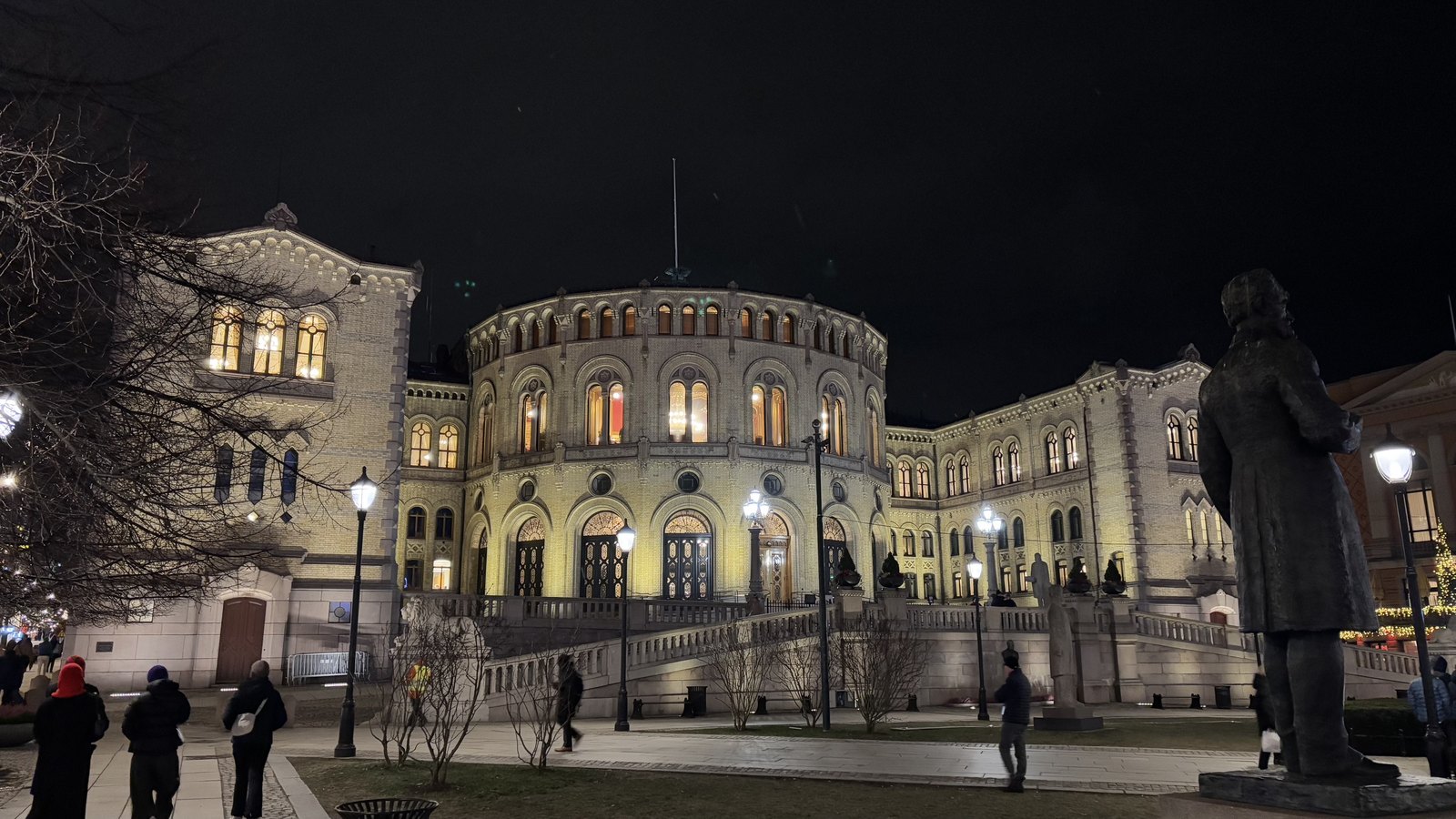
Norway’s government will propose continuing its extraordinary support for Ukraine at 85 billion kroner in 2027, extending one of Europe’s most substantial national commitments to the country’s defence and reconstruction.
Prime Minister Jonas Gahr Støre communicated the proposal to Ukrainian President Volodymyr Zelenskyy during a meeting in Kyiv on Sunday, according to an announcement from the Norwegian Prime Minister’s Office. The proposal must still go to Norway’s Storting, so the amount announced is a government plan rather than a completed parliamentary appropriation.
The package would run through the Nansen Programme for Ukraine and cover both military and civilian purposes. The Norwegian government said the largest share would continue to go to military support, including purchases from Ukraine’s own defence industry. It did not publish the final division between military and civilian spending, saying that allocation would be set out later.
That distinction matters. A headline figure can look like a single transfer, but the programme combines different forms of support: weapons and equipment, industrial procurement, humanitarian and civilian assistance, and help connected to the country’s longer-term recovery. The final parliamentary documents will show how much is available immediately for the war effort and how much is intended for civilian resilience.
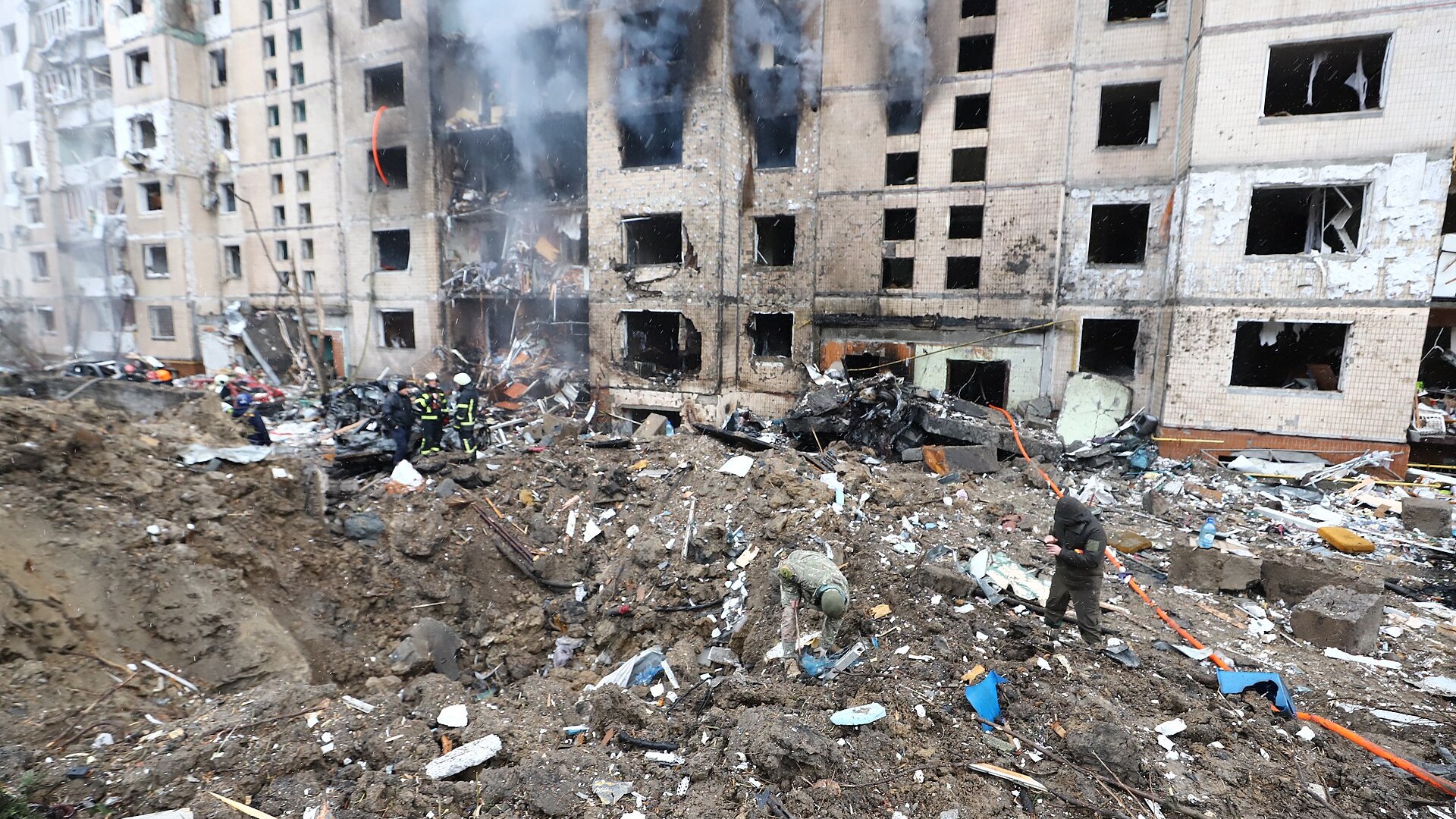
Støre framed the decision around both Ukraine’s immediate needs and European security. The government’s announcement said Ukraine was facing a difficult winter and that supporting and rebuilding the country was important to the security of Europe. Those are political arguments for the proposal; they do not remove the parliamentary process or the practical questions around delivery capacity and procurement.
The timing gives Kyiv a clear signal before the next budget cycle. It also gives Norway a way to make its support predictable rather than dependent on a series of emergency decisions. For Ukraine, multi-year commitments are particularly valuable because air defence, ammunition, repair capacity and industrial orders cannot be organised efficiently when funding is uncertain from one year to the next.
The announcement also shows where the European aid debate is moving. The question is no longer only whether governments support Ukraine, but whether they can put sizeable, repeatable sums into national budgets while the war continues. Norway’s proposed figure will therefore be read in Kyiv, Moscow and other European capitals as both a financing decision and a test of political endurance.
The next step is the Storting. Until lawmakers approve the package and the government publishes the allocation, the verified position is simple: Norway has proposed 85 billion kroner for Ukraine in 2027, expects most of it to support military needs, and intends to continue the Nansen Programme’s civilian and military work.

Reader comments
Subscribers can join the conversationSign in to join the conversation. Comments are open to everyone with a free account.
Sign in or create accountLoading comments…