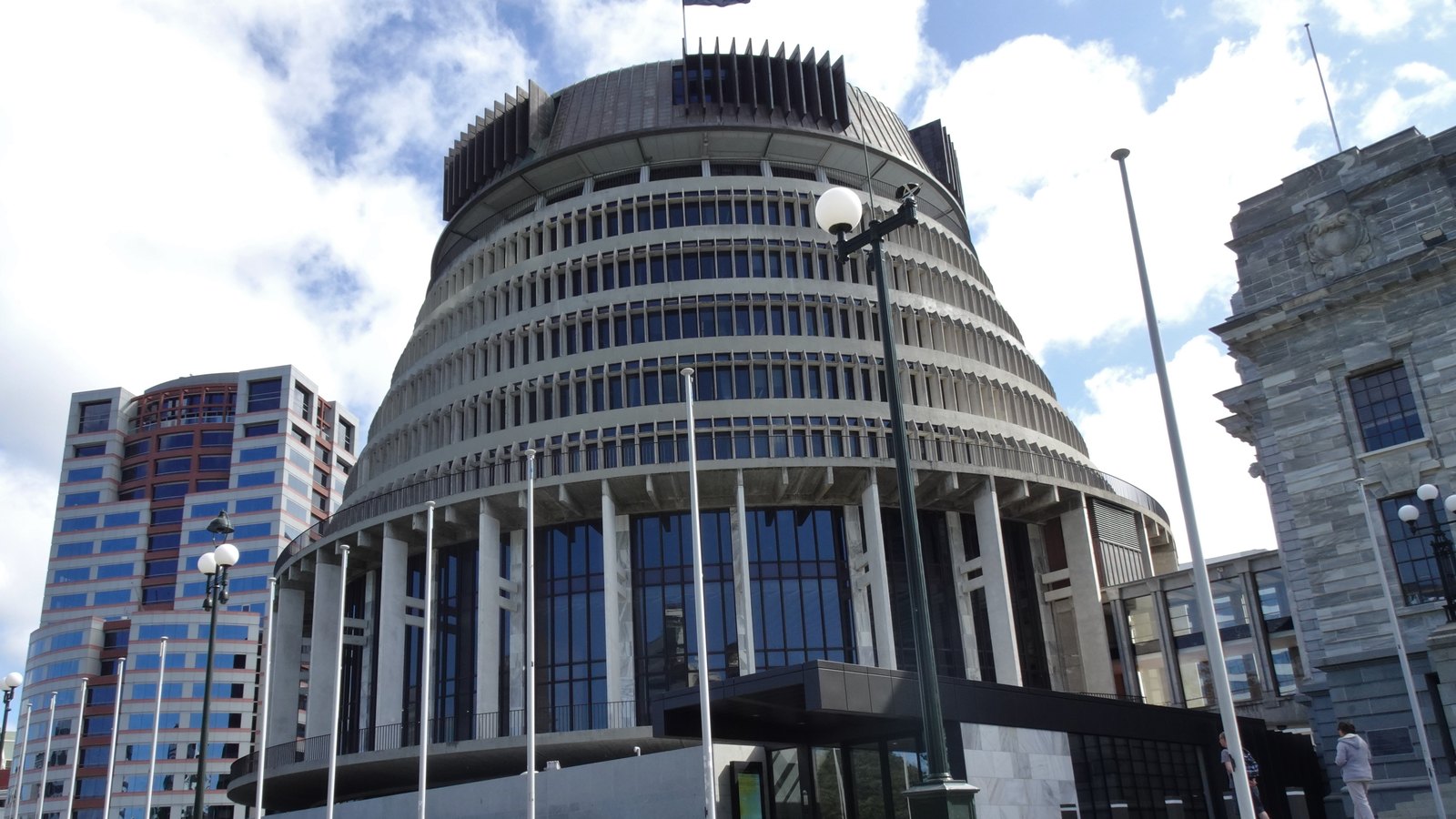
New Zealand’s government has introduced an Online Safety Bill that would prevent children under 16 from holding accounts on high-risk social media platforms, placing the country at the centre of a rapidly widening global argument over age restrictions and digital identity.
The government says platforms such as Instagram, TikTok, Snapchat and Facebook would have to take reasonable steps to check that users are over 16. The proposed methods include existing account information, facial age estimation, digital identity services and formal identification. The bill would also require platforms used by children to assess the risks they create and report how those risks are being reduced.
Companies that failed to meet their obligations could face penalties of up to 10 per cent of global revenue, according to the government’s release. No penalties are proposed for children, parents or caregivers. The government also wants to create an online-safety regulator within the Department of Internal Affairs with powers to monitor compliance, investigate platforms and enforce the law.
The proposal is not yet law. Prime Minister Christopher Luxon’s government has not secured the support needed to pass it, and the two smaller parties in the governing coalition have said they will oppose the measure. The parliamentary timetable is also tight because Parliament is due to dissolve ahead of the November election, meaning the bill could become an election issue rather than an immediate legal rule.
The political division reflects the policy’s central tension. Supporters say platforms have allowed harmful content, addictive design and pressure to reach children at a scale families cannot manage alone. Critics argue that age checks can be bypassed, that facial estimation and formal identification create new privacy risks, and that removing young people from online communities may cut them off from support as well as harmful material.
The proposed system would also create practical questions for companies. A platform may need to determine who is under 16 without collecting more personal information than it can safely protect. It may have to explain how it treats users who do not have formal identification, how it handles family-managed accounts and how it distinguishes a social platform from messaging services, games or AI tools.
The government’s release says the bill would bring New Zealand closer to countries that are experimenting with age restrictions. Australia’s under-16 social-media rules are the most prominent regional example, but the policy results remain contested. A ban can change behaviour and reduce access for some children; it can also move activity to less visible services or encourage circumvention through false ages and virtual private networks.
The immediate story is therefore the proposal and the political test, not a ban already in force. New Zealand has introduced a bill with wide responsibilities for platforms, strong potential penalties and a regulator at its centre. Whether it becomes law will depend on the opposition parties, the election timetable and whether the government can answer the privacy and enforcement questions that the policy itself creates.


Reader comments
Subscribers can join the conversationSign in to join the conversation. Comments are open to everyone with a free account.
Sign in or create accountLoading comments…