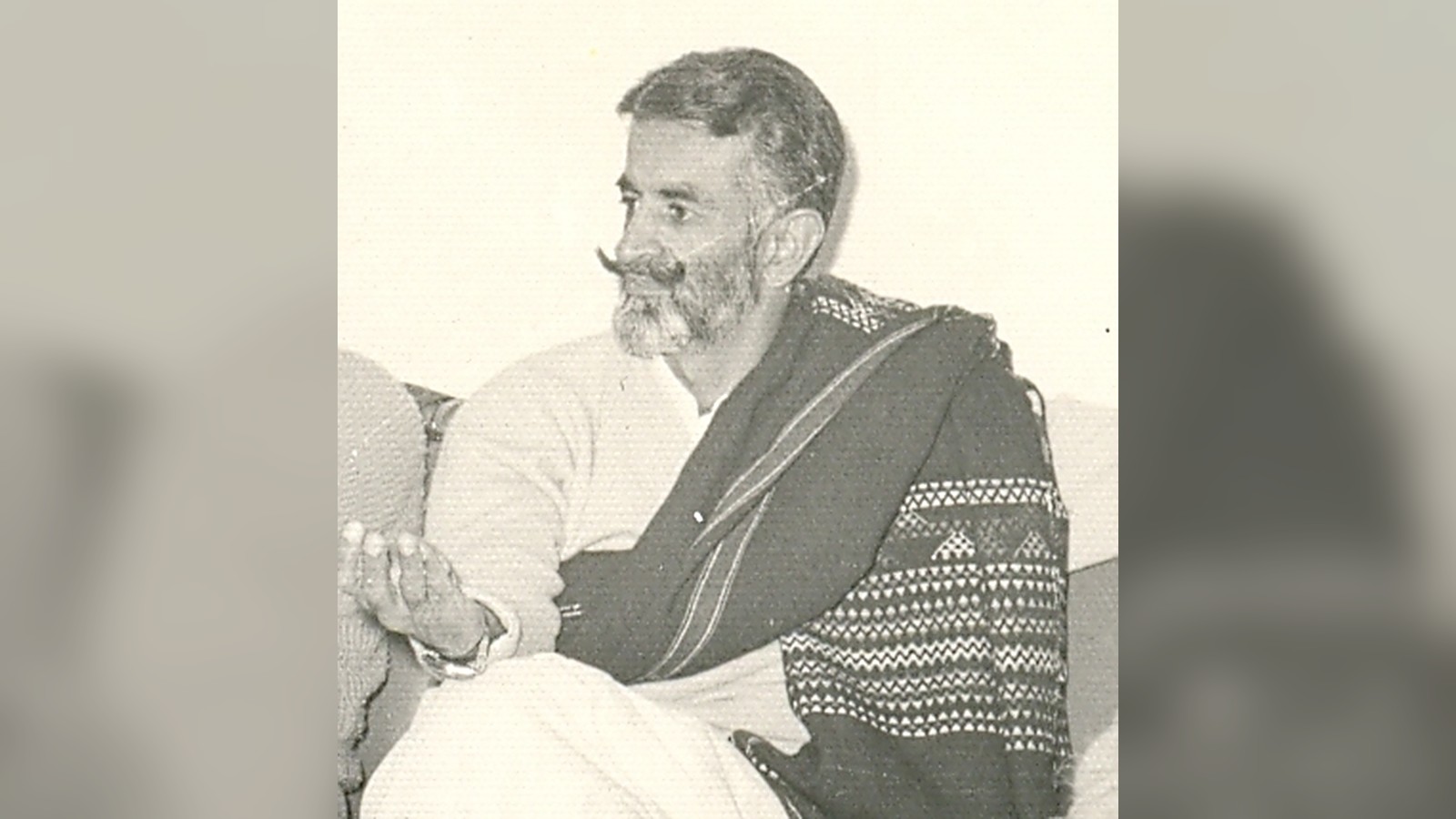
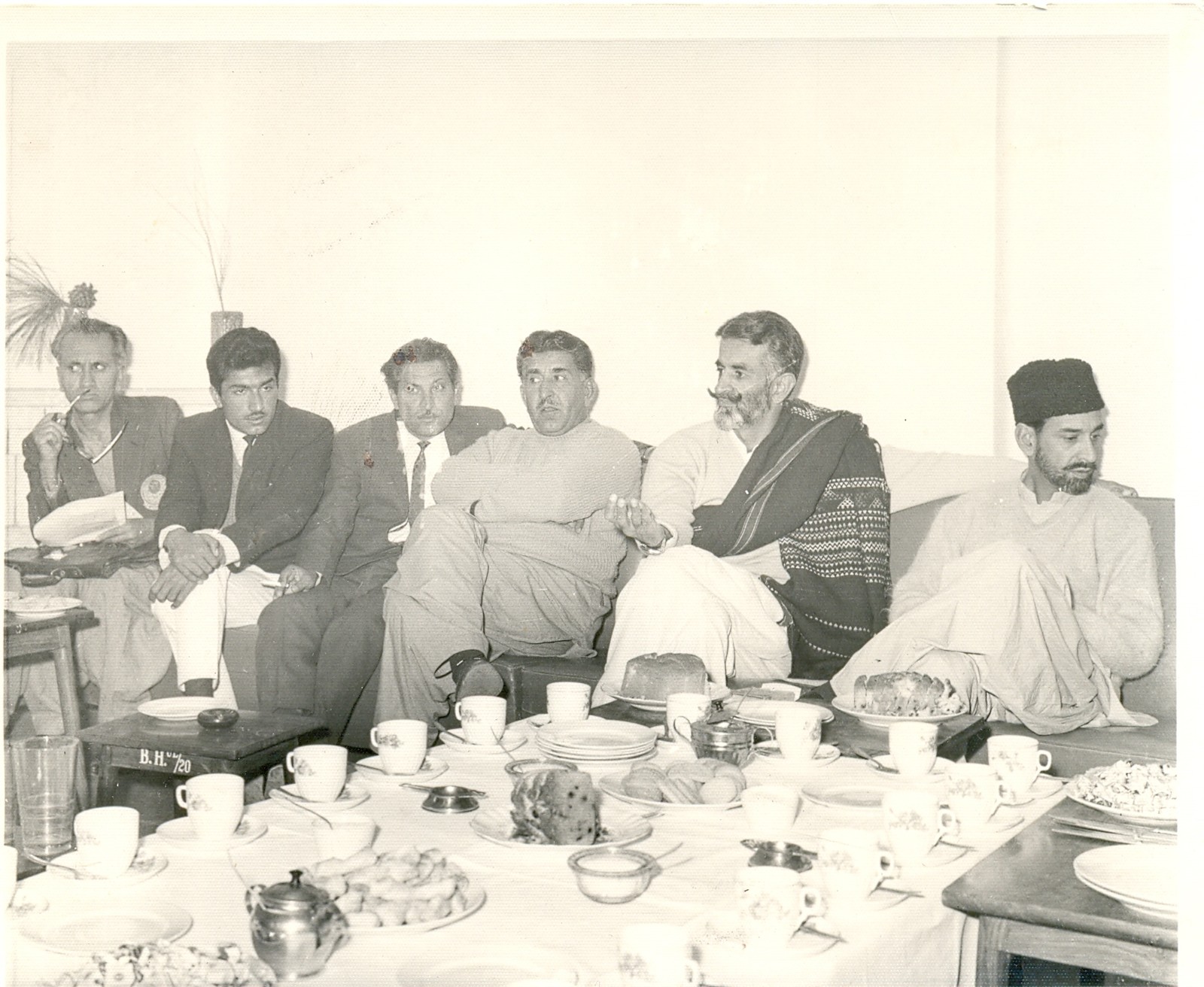
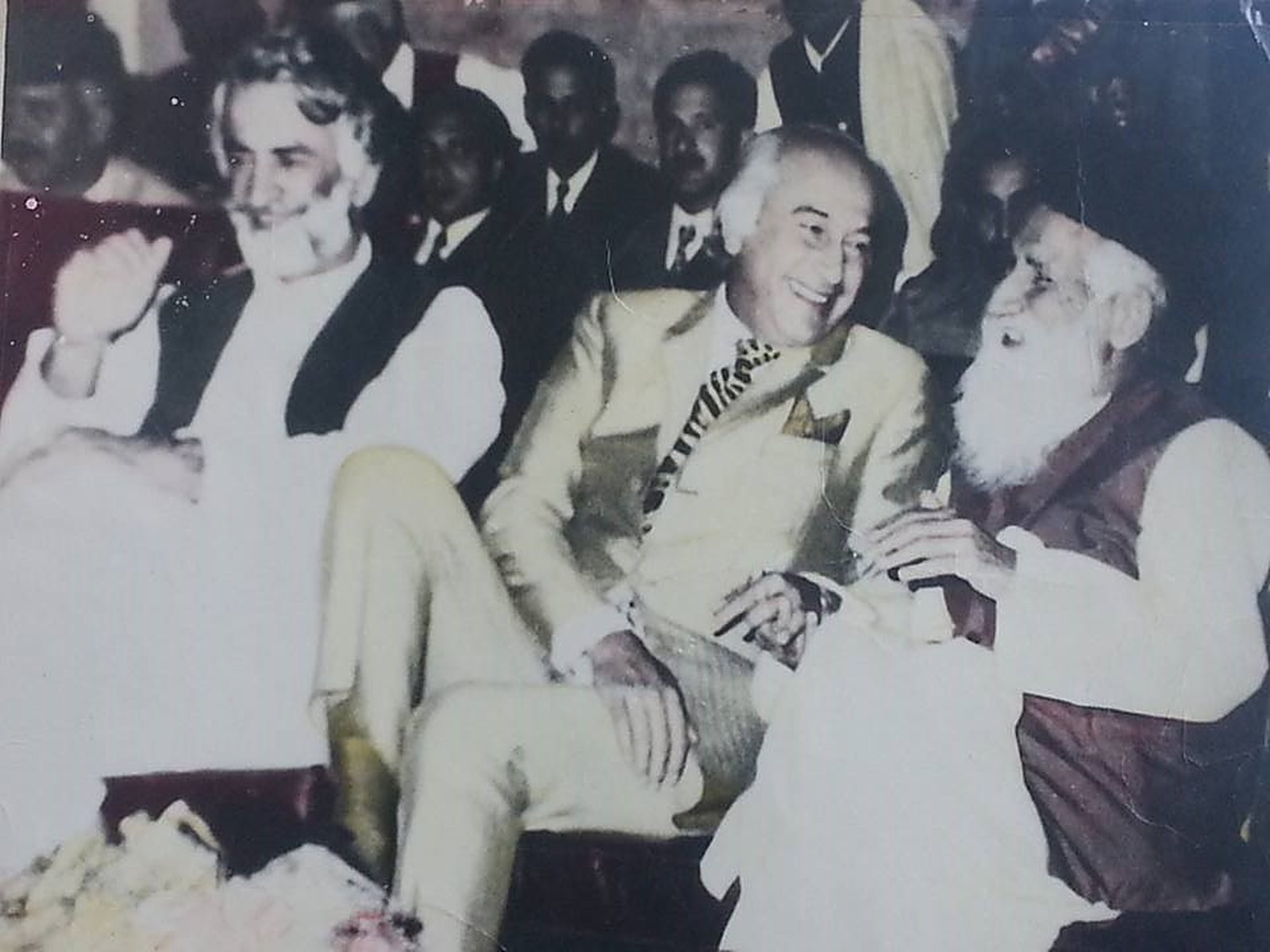
Nawab Akbar Khan Bugti (1927–2006) remains one of the most consequential figures in modern Baloch political history. His life spanned the transition from princely autonomy to federal absorption, from parliamentary politics to armed confrontation, and from tribal leadership to national symbolism. For many Baloch, Nawab Bugti martyrdom on 26 August 2006 marked not only the death of a leader but the crystallisation of a political consciousness rooted in dignity, territorial rights, and resistance to centralised domination.
This article revisits Nawab Bugti’s political career, his ideological commitments, and the cultural principles that shaped his decisions — particularly the Balochi tradition of protecting guests — culminating in his decisive stance during the Dr. Shazia Khalid case. It also situates his legacy within the broader struggle for Baloch rights over land, coast, and natural resources.
A Political Life Defined by Autonomy and Resistance
Nawab bugti entered politics in the early years of Pakistan’s formation, serving as Interior Minister (1958), Governor of Balochistan (1973–74), and Chief Minister (1989–90). His political trajectory was marked by a consistent theme: the defense of Baloch autonomy within a federal structure that increasingly centralized power.
Throughout his career, Nawab Bugti advocated:
- Provincial ownership of natural resources, especially gas from Sui
- Control over the Baloch coast, including Gwadar, as a strategic national asset
- Protection of tribal and cultural institutions
- Political representation free from military interference
Nawab Bugti’s parliamentary speeches and public statements repeatedly emphasized that development without local consent was a form of dispossession. His critique of federal policies was not separatist in origin; it was constitutional, grounded in the idea that federations survive only when constituent units retain meaningful authority.
The Balochi Code of Conduct: Protection of Guests as a Moral Imperative
Central to Nawab Bugti’s worldview was the Balochi code of honor (Mayar/Bahot) — a centuries-old ethical system governing social relations. Among its most sacred principles is mehmaan-dari, the protection of guests regardless of ethnicity, religion, or political affiliation.
In Baloch tradition:
- A guest’s life is inviolable
- A guest’s property is protected
- A guest’s honor and dignity are the responsibility of the host
- Violating a guest is considered a crime against the entire tribe
Nawab Bugti upheld this code not as folklore but as governance. Under his leadership, Dera Bugti became a region where non-Baloch residents — Punjabi workers, Sindhi laborers, Urdu-speaking teachers, and Pashtun traders — lived under explicit tribal protection. Nawab bugti frequently stated that the dignity of a guest was equal to the dignity of the Baloch nation itself.
The Dr. Shazia Khalid Case: When Honor Was Violated, Bugti Confronted the State
In January 2005, Dr. Shazia Khalid, a medical professional working at the Sui Gas facility, was raped inside a high-security compound. The accused was a military officer, Captain Hammad. The state’s response — denial, obstruction, and protection of the accused — ignited widespread outrage.
For Nawab Bugti, the incident was not merely a criminal case; it was a violation of the Balochi code of honor. Dr. Shazia was a guest on Baloch soil, and her dignity had been violated under the watch of state institutions.
Nawab bugti demanded:
- Immediate arrest of the accused
- Transparent investigation
- Accountability of military personnel
- Protection for Dr. Shazia and her family
When the state refused, Nawab Bugti declared that the Baloch would not accept injustice committed under the shield of the uniform. His stance triggered a military confrontation that escalated into bombardment of Dera Bugti, displacement of civilians, and ultimately the siege that led to his death.
Nawab Bugti’s reaction to the Shazia case remains one of the most defining moments of his political life — a demonstration that cultural ethics and political resistance were inseparable in his worldview.
Ideology: Rights Over Resources, Coast, and Homeland
Nawab Bugti,s ideology was shaped by three core principles:
1. Ownership of Natural Resources
Nawab Bugti argued that Balochistan’s gas, minerals, and land should be controlled by the province, not extracted for federal benefit while local communities remained impoverished. His conflict with the state over Sui royalties was part of a broader struggle for economic sovereignty.
2. Strategic Control of the Coast
He viewed the Baloch coast — particularly Gwadar — as a national inheritance. Bugti warned that external control over the coastline would lead to demographic displacement and strategic marginalization of the Baloch.
3. Defense of Homeland and Identity
Nawab Bugti believed that political rights were inseparable from cultural survival. He saw military operations, demographic engineering, and resource extraction without consent as existential threats. His final years were spent asserting that a nation without control over its land cannot preserve its identity.
Martyrdom and Historical Significance
Nawab Bugti’s death in a mountain cave in Kohlu district on 26 August 2006 was the culmination of a confrontation between a centralized state and a leader who refused to compromise on dignity. For many Baloch, his martyrdom symbolizes:
- Resistance against military domination
- Defense of cultural ethics
- Assertion of political rights
- Refusal to surrender autonomy
His legacy continues to influence Baloch political discourse, from parliamentary debates to grassroots activism.
Conclusion: Why Nawab Bugti Still Matters
Nawab Akbar Khan Bugti’s life offers a framework for understanding contemporary Baluch politics. His insistence on resource rights, coastal ownership, cultural protection, and political autonomy remains deeply relevant. His reaction to the Dr. Shazia case demonstrates how traditional ethics can intersect with modern political resistance, forming a moral foundation for national struggle.
For Baloch, Nawab Bugti’s legacy is not merely historical; it is instructive. It reminds us that dignity is non-negotiable, justice is foundational, and sovereignty — whether cultural or economic — is essential for national survival.
On 26 August, remembering Nawab Bugti is not an act of mourning. It is an act of National Honour.
Mehran Baluch is an exiled Baloch political leader, activist, and writer. His political consciousness was shaped from an early age under the guidance and influence of his father, the legendary Baluch political leader Nawab Khair Bakhsh Marri. His life has been marked by exile, yet he has maintained a deep and enduring connection with his homeland, Baluchistan.
Mehran Baluch has never allowed distance to weaken his commitment to the Baloch people. His writings reflect his love for his homeland, his anguish over the suffering of its people, and his determination to expose what he considers the injustices, repression, and brutality inflicted upon them.
His work is rooted in historical memory, political resistance, and the pursuit of justice. Through his pen, he gives voice not only to the pain of Balochistan but also to the broader suffering of oppressed and marginalized peoples. His writings stand as a testament to the power of memory, truth, and the enduring human desire for dignity and freedom.

Reader comments
Subscribers can join the conversationSign in to join the conversation. Comments are open to everyone with a free account.
Sign in or create accountLoading comments…