
More than 100 Venezuelans who were deported from the United States shortly before twin earthquakes struck Venezuela are missing, survivors and families told the Associated Press, raising urgent questions about the fate of people returned to a disaster zone.
The deportation flight left Miami with 146 Venezuelans on board, including women and children, according to ICE Flight Monitor, a Human Rights First initiative cited by AP. The group arrived in Venezuela hours before two powerful earthquakes hit on 24 June and was taken to a hotel in La Guaira, among the worst affected areas.
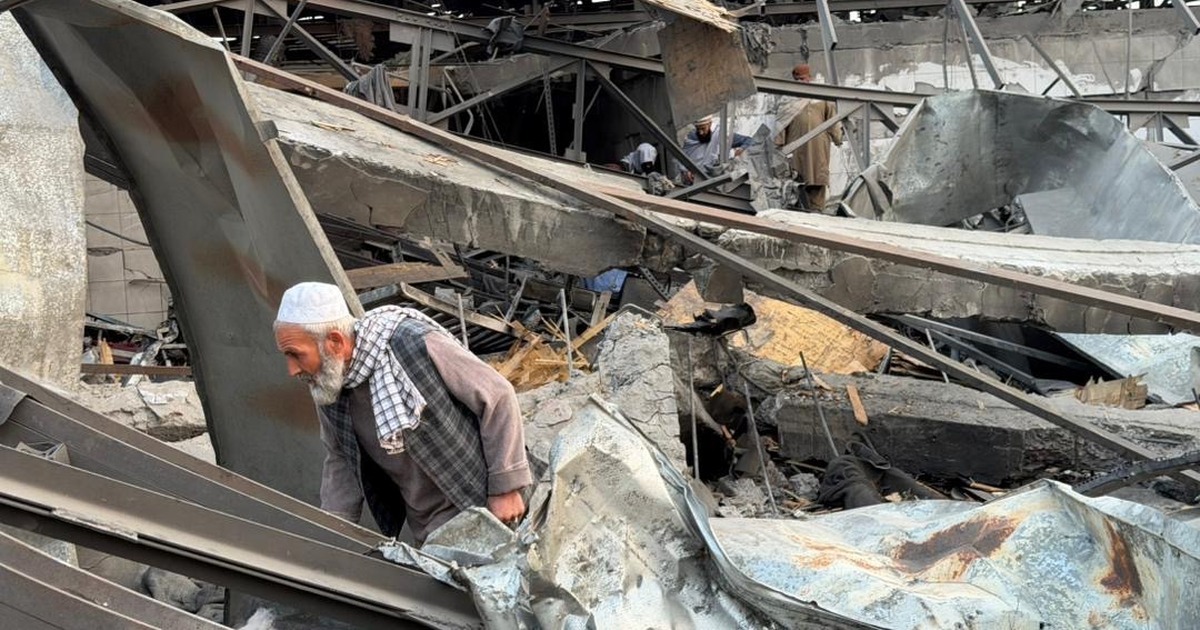
Survivors described chaos after the building was struck. Some escaped from rubble or were helped out by other deportees. Families are now searching through partial information, unofficial lists and damaged communications networks for relatives who were on the flight.
The reported missing figure remains sensitive because it is not yet a consolidated official count. AP’s reporting attributes the number to survivors and relatives, and says official communication has been limited. U.S. Immigration and Customs Enforcement had not responded to AP questions at the time of publication.
The earthquakes have created a broader humanitarian emergency. AP reported a death toll above 1,700 and thousands injured by 30 June, while UNICEF estimated that 1.8 million people, including 680,000 children, needed humanitarian assistance.
Disaster and deportation collide
The missing deportees’ case is politically charged because it sits at the intersection of immigration enforcement and disaster accountability. The people on the flight had already been removed from the U.S. system and were in Venezuelan custody or control when the earthquakes hit.
That makes the basic questions unusually difficult: who was responsible for tracking the deportees after arrival, where exactly they were housed, who survived, who was transferred, and whether families have been given reliable information.
Until governments publish a full passenger-by-passenger accounting, the number missing should be treated as reported rather than final. But the verified outline is already serious: a deportation flight arrived just before a major disaster, and families of more than 100 people say they still do not know where their relatives are.


Reader comments
Subscribers can join the conversationSign in to join the conversation. Comments are open to everyone with a free account.
Sign in or create accountLoading comments…