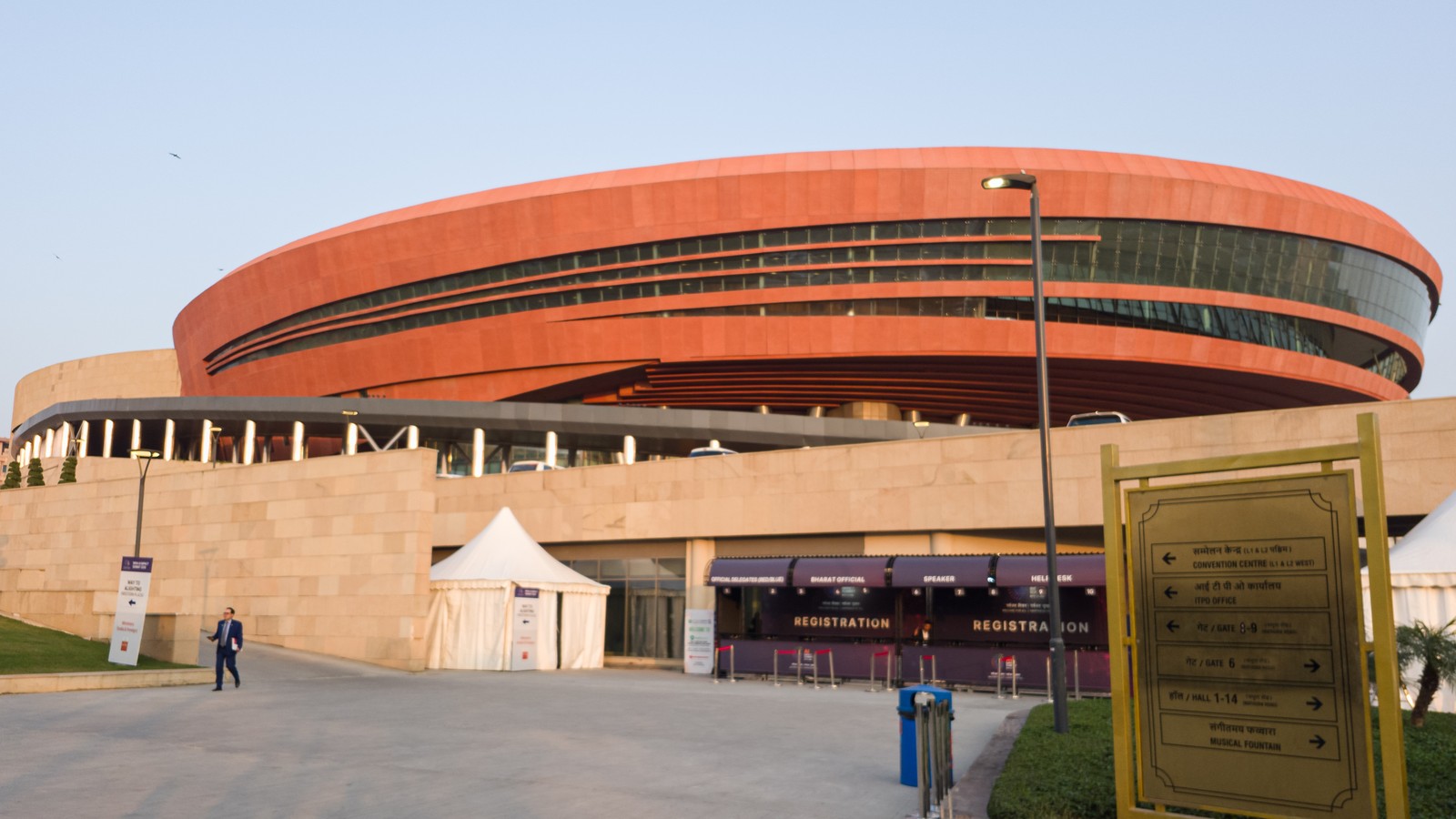
NEW DELHI — Indian Prime Minister Narendra Modi used the second day of the BRICS summit on Sunday to warn that geopolitical tensions, supply-chain disruptions and climate crises are increasingly affecting people across borders. He called for stronger cooperation among the Global South as the expanded grouping met in New Delhi.
Modi also warned that technology and critical minerals could be weaponised in ways that hinder development. The concern reflects the way strategic rivalry now runs through trade routes, energy systems, data infrastructure and the materials needed for the energy transition. It also places development politics inside the same conversation as security politics.
The meeting brought together leaders including China’s Xi Jinping, Russia’s Vladimir Putin and Iran’s Masoud Pezeshkian, according to AP. BRICS now has 11 full members and represents about half of the world’s population, giving its statements reach even when its governments do not share the same view of the wars in Ukraine and the Middle East or of relations with the United States.
The bloc agreed to establish an integrated early-warning system for infectious diseases, AP reported. Modi urged member states to turn summit agreements into time-bound results rather than leaving them in official files. That emphasis is significant: the organisation’s claim to be a practical voice for developing countries will be tested by implementation, not by the size of its membership.
New Delhi therefore leaves the summit with two messages to manage. BRICS wants a larger role in global institutions and a stronger say over the rules of development, while its members remain strategically divided. The meeting can show that cooperation is possible across those divisions, but only if the commitments become visible outside the conference hall.


Reader comments
Subscribers can join the conversationSign in to join the conversation. Comments are open to everyone with a free account.
Sign in or create accountLoading comments…