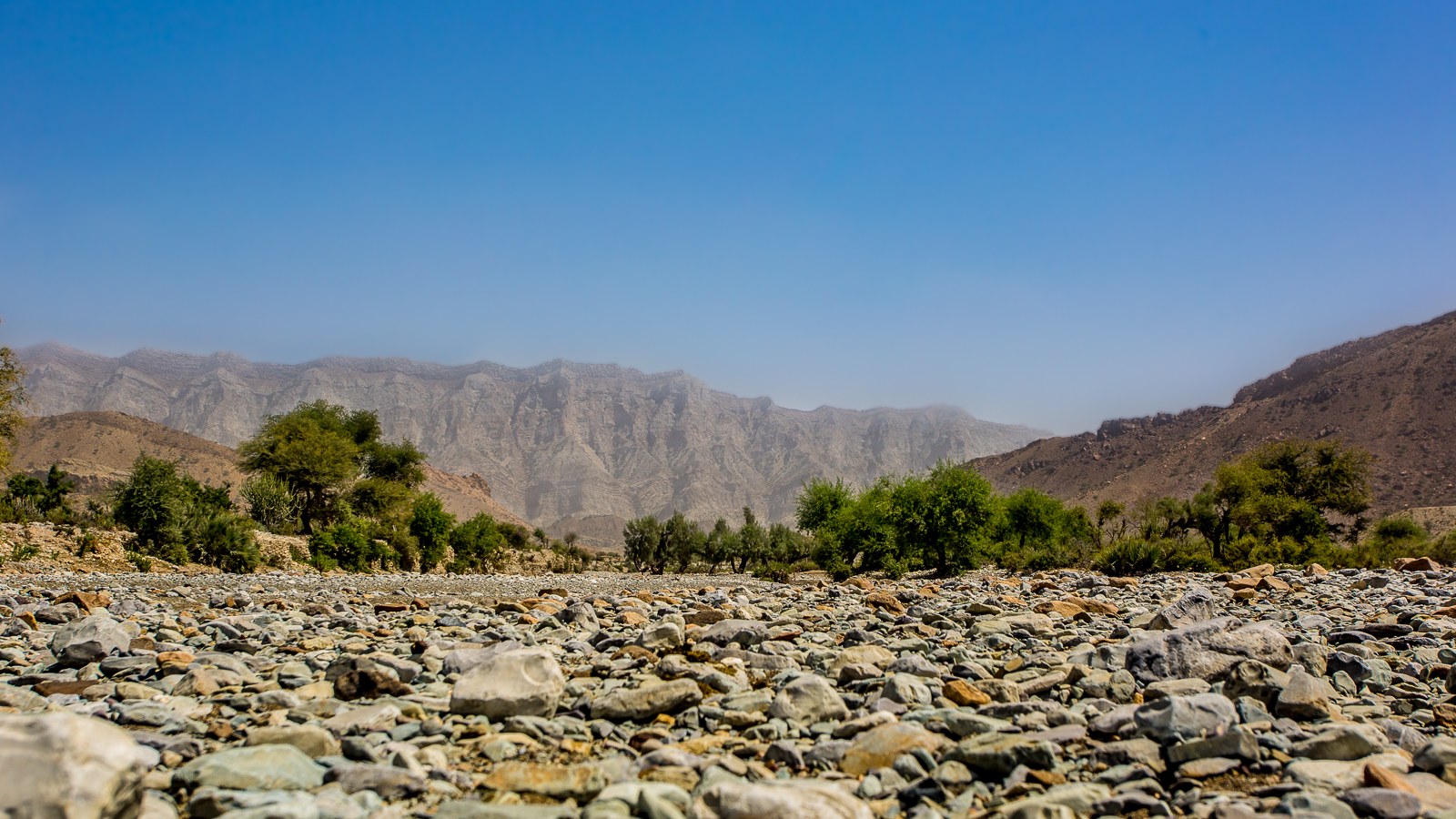
Across the rugged expanse of Balochistan, certain words are not merely spoken—they echo like the thunder rolling across ancient mountains. They settle into the desert’s grains as the inherited pride of generations, and they endure as vows inscribed upon the sky. Among these, one declaration stands tallest, deepest, and most enduring:
“Koh ant Balochani Kalat Ach baan o badgeeraan gehh ant Kohang e ei koheen Kalat Kasi pat e meeras na ant Ma gon sagaraan guptag ant”
This is not a proverb. It is the constitutional spirit of the Baloch nation. It is a manifesto of freedom. It is the first and final law of honor.
Since the era of Mir Naseer Khan Noori, this proclamation has burned like a living volcano. It asserts that the fortress of Kalat, the land of Balochistan, its mountains and valleys—are not the property of any king, any general, or any state. They are the collective inheritance of the Baloch people. And inheritances are not seized by force; they are defended with blood.
A Tradition of Resistance — History Written with Sacrificed Heads
The verses of Baloch resistance poetry remain etched into the memory of the land like the sharpened edge of a sword:
“Koh ant Baloch ani Kalat Kasi pat e meeras na ant — Ma gon sagaraan guptag ant”
This is the declaration that the Baloch have safeguarded their homeland with the offering of their heads. These mountains are not mere stones; they are towers built from sacrifice. These valleys are not mere earth; they are debts owed to the breaths of martyrs.
As long as the Baloch kept their heads high, the mountains of Balochistan remained fortresses. And when some heads learned to bow, those very mountains turned into marketplaces—where Punjabi profiteers now roam with predatory greed.
Yet the mountain of history still stands witness: the Baloch nation was not created to bow.
Mir Naseer Khan Noori — The Chief Who Drew Borders with Blood
Mir Naseer Khan Noori carved the borders of Balochistan not with ink, but with steel. From Sindh to the Sulaiman Range, and from the Sulaiman Range to Iran—wherever the Balochi tongue was spoken, there lay Balochistan.
This is the Balochistan that modern generals attempt to divide on conference tables. But history stands before them, unyielding, and declares:
Balochistan was not created by the gun, and it will not be undone by the gun.
Contemporary Balochistan — Light of Resistance Beneath the Shadow of Threats
In a recent three-day conference in Islamabad, Pakistan’s military chief Asim Munir issued threats, displayed arrogance, and labeled Baloch tribal leaders as traitors. He threatened young men and women who join the BLA, announced plans for mass evacuations and aerial bombardments, and declared that Balochistan is not anyone’s ancestral property.
Yet his tone carried the familiar smallness found in every occupying force, the brittle pride of every general who mistakes coercion for authority, and the same jackal-like threats that history has always crushed.
Asim Munir must understand that the Baloch nation’s answer remains the same as the one given by Naseer Khan Noori in his timeless verse:
“Ma gon sagaraan guptag ant” — We have protected our homeland with the offering of our heads.
And that offering continues.
A Final and Decisive Message to the Punjabi Military Establishment
Balochistan is not the estate of any general. It is not the agenda of any conference. It is not a decision made by a handful of men seated at a polished table. It is the inheritance of a nation— and nations do not compromise on their inheritance.
If war is imposed, war will come. If blood must be shed, it will be shed. If a price must be paid, the Baloch nation will pay it. But it will never accept the occupation of its homeland.
The mountains of Balochistan remain fortresses. And as long as the Baloch nation lives, those fortresses will never fall.
The Final Epic Declaration
The Punjabi generals must understand that the arrogance of power has always been defeated by history. And the Baloch nation is one that does not accept defeat—no matter the cost.
“Koh ant Balochani Kalat” remains the Baloch vow and creed. And the Baloch remain ready to offer the last drop of their blood for their homeland.
The views and characterisations expressed in this commentary are the author’s own.

Reader comments
Subscribers can join the conversationSign in to join the conversation. Comments are open to everyone with a free account.
Sign in or create accountLoading comments…