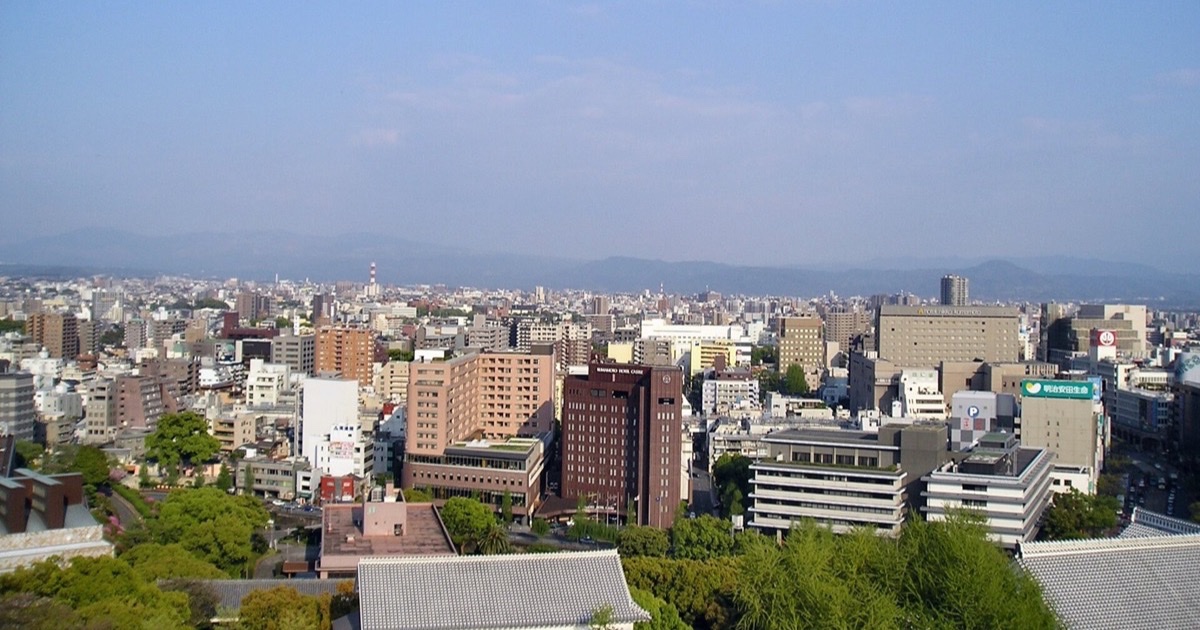
The death toll from the powerful earthquake that struck Japan's southern island of Kyushu has risen to 34 as rescue teams continue searching damaged homes, a collapsed shopping complex and other sites across Kumamoto prefecture.
The magnitude-7.1 quake struck on Tuesday afternoon and caused widespread structural damage. Preliminary official assessments recorded more than 1,500 damaged buildings, including 179 that were destroyed. At least 96 people were injured, six of them seriously, while authorities said the number of people still missing was not yet known.
Rescue enters a critical phase
Search teams using dogs and heavy equipment continued working in areas including Kashima, where part of a busy Aeon shopping mall collapsed. Japanese officials described the period around the third and fourth days after the quake as particularly important because survival chances normally fall as people remain trapped for longer.
The scale of the task is complicated by damaged roads, unstable buildings and continuing aftershocks. Emergency workers must reach people who may be isolated while avoiding additional collapses. One further death remained under investigation as a possible quake-related fatality, meaning the official toll could rise again.
Heat becomes a second emergency
Thousands of people have spent nights in crowded shelters or inside vehicles because they fear damaged buildings and aftershocks. Daytime temperatures in parts of the affected region have approached 36C, creating a serious risk of dehydration and heat illness, particularly for older people, children and those with medical conditions.
Sleeping in cars can provide privacy and a sense of safety from falling structures, but it also creates medical risks when vehicles become hot or people remain seated for long periods. Officials and volunteers are trying to distribute water, food, cooling supplies and information while keeping shelters ventilated.
Water, fuel and infrastructure shortages
Nearly 80,000 homes remained without running water, according to the latest emergency reporting. Electricity had largely been restored, but fuel shortages were affecting transport, generators and the movement of supplies. Damage included flattened homes, a toppled factory chimney and an explosion at the shopping centre.
Restoring water networks can take longer than reconnecting electricity because broken pipes must be located, repaired and tested. The disruption also affects hospitals, care facilities, sanitation and firefighting capacity, widening the consequences beyond the homes directly damaged by the quake.
What happens next
Authorities will continue the search for missing people while engineers assess schools, hospitals, roads and homes. The immediate priorities are rescue, shelter, clean water and protection from the heat. The longer recovery will involve temporary housing, insurance and compensation claims, rebuilding and decisions about whether heavily damaged neighbourhoods can be safely reoccupied.
Japan has extensive earthquake preparation and strict construction standards, but a shallow, powerful quake can still overwhelm local infrastructure. In Kumamoto, the disaster is now testing not only the speed of the rescue operation but the ability to sustain tens of thousands of people through a severe summer emergency.


Reader comments
Subscribers can join the conversationSign in to join the conversation. Comments are open to everyone with a free account.
Sign in or create accountLoading comments…