The war between the United States and Iran is expanding across the Middle East as confrontation over the Strait of Hormuz triggers attacks and retaliation involving Saudi Arabia, militias in Iraq, the Houthis in Yemen and commercial shipping as far west as Egypt.
The separate incidents are connected by the region's network of military alliances, armed groups and energy routes. Each new front gives Iran or its opponents another way to apply pressure, but it also makes the conflict harder to contain and increases the chance that a local strike produces a wider war.
Hormuz remains the centre
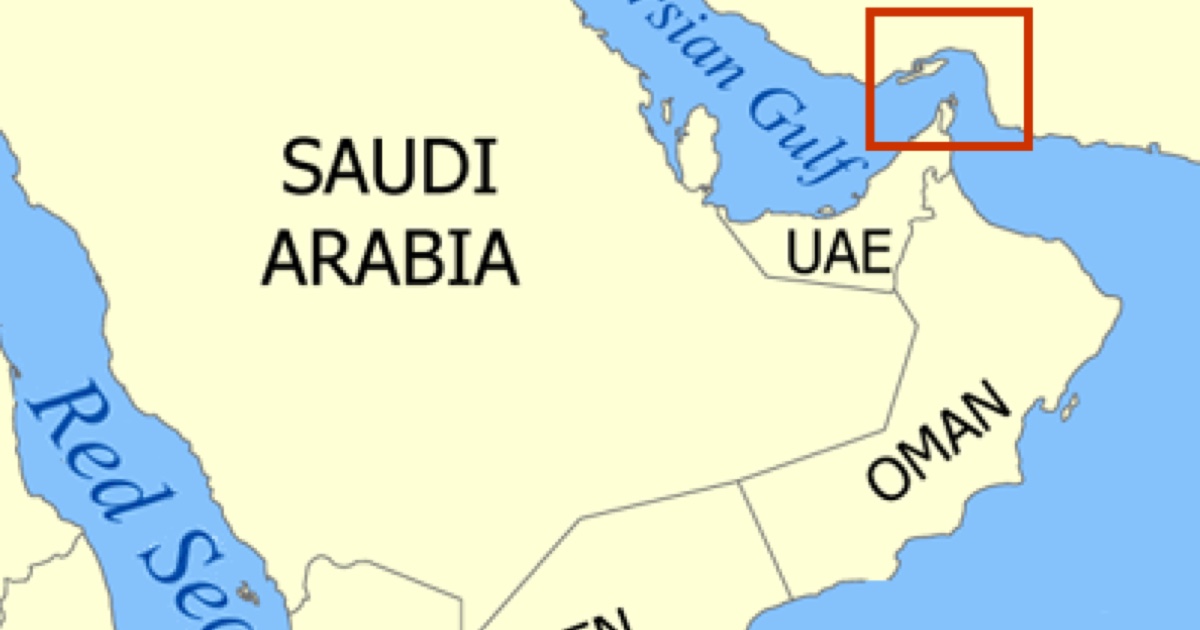
The Strait of Hormuz remains the main strategic focus. The narrow waterway between Iran and Oman carried about one-fifth of the world's traded oil and gas before the war. Iran says it controls the route and has attacked ships using an alternative channel overseen by the US military along Oman's coast.
The United States says international traffic must be able to pass freely and has struck Iranian military capabilities in response. Iran has retaliated against countries hosting US forces, including Jordan and Kuwait, bringing Arab states that did not seek the conflict into direct danger.
The Red Sea front returns
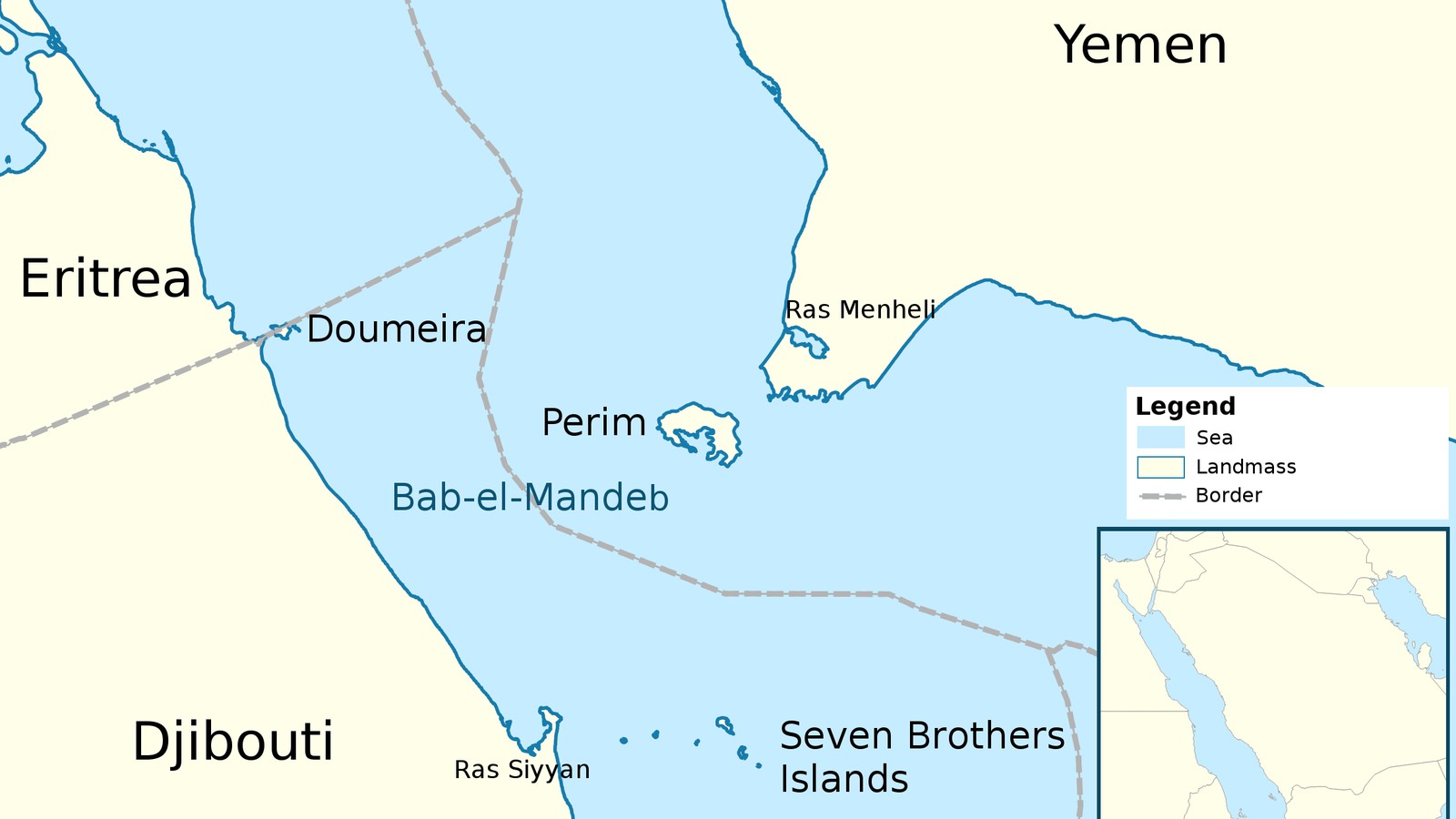
The Iran-backed Houthi movement in Yemen has declared a blockade on Saudi Arabia and threatened shipping through the Bab el-Mandeb, the southern gateway to the Red Sea and Suez Canal. The group also says it has attacked Saudi oil infrastructure near the East-West pipeline.
That pipeline and Saudi export facilities on the Red Sea have become more important because traffic through Hormuz is restricted. Pressure on both routes would reduce the kingdom's ability to bypass the Gulf and could force more tankers to take longer, more expensive journeys.
Maritime-security company Ambrey recorded more than 10 vessels reversing course after the Houthi announcement and said Bab el-Mandeb transits had fallen by about 30% since 21 July compared with June. Those figures show how warnings can disrupt trade even without a successful strike.
Saudi Arabia strikes militias in Iraq
Saudi Arabia accused Iran-backed militias in Iraq of launching drone attacks on its oil facilities on two consecutive days. US and Saudi aircraft then bombed militia sites in Iraq, killing at least 20 fighters and six Iranian advisers, according to the latest reporting.
Iraq condemned the strikes and said they occurred while its government was investigating the attacks. The country is especially exposed because armed groups close to Iran operate within or alongside the official security system, while US forces remain in the Kurdish region ahead of a planned withdrawal.
Egypt is pulled closer
A drone attack on Egypt's Mediterranean port of Damietta set two natural-gas vessels ablaze, including a US-owned floating storage facility. No group had claimed responsibility, and the Houthis denied involvement.
The incident is significant because Egypt has tried to remain outside the military conflict while acting as a mediator. Damage at a Mediterranean energy terminal shows that the war's economic and security effects are no longer confined to the Gulf and Red Sea.
Diplomacy loses ground
An earlier interim agreement intended to reduce attacks collapsed as the exchanges intensified. The United States wants the strait reopened to international traffic, while Iran appears determined to preserve leverage over the route. Saudi Arabia is responding more directly to threats against its infrastructure, and the Houthis are again using maritime pressure as a regional weapon.
The immediate risk is miscalculation. A drone may be launched by a militia but answered against a state; a shipping warning can redirect trade before responsibility is known; and strikes in Iraq, Yemen or Iran can trigger retaliation somewhere else. The war is becoming a system of linked fronts rather than a single battlefield, making a diplomatic off-ramp more urgent and more difficult.


Reader comments
Subscribers can join the conversationSign in to join the conversation. Comments are open to everyone with a free account.
Sign in or create accountLoading comments…