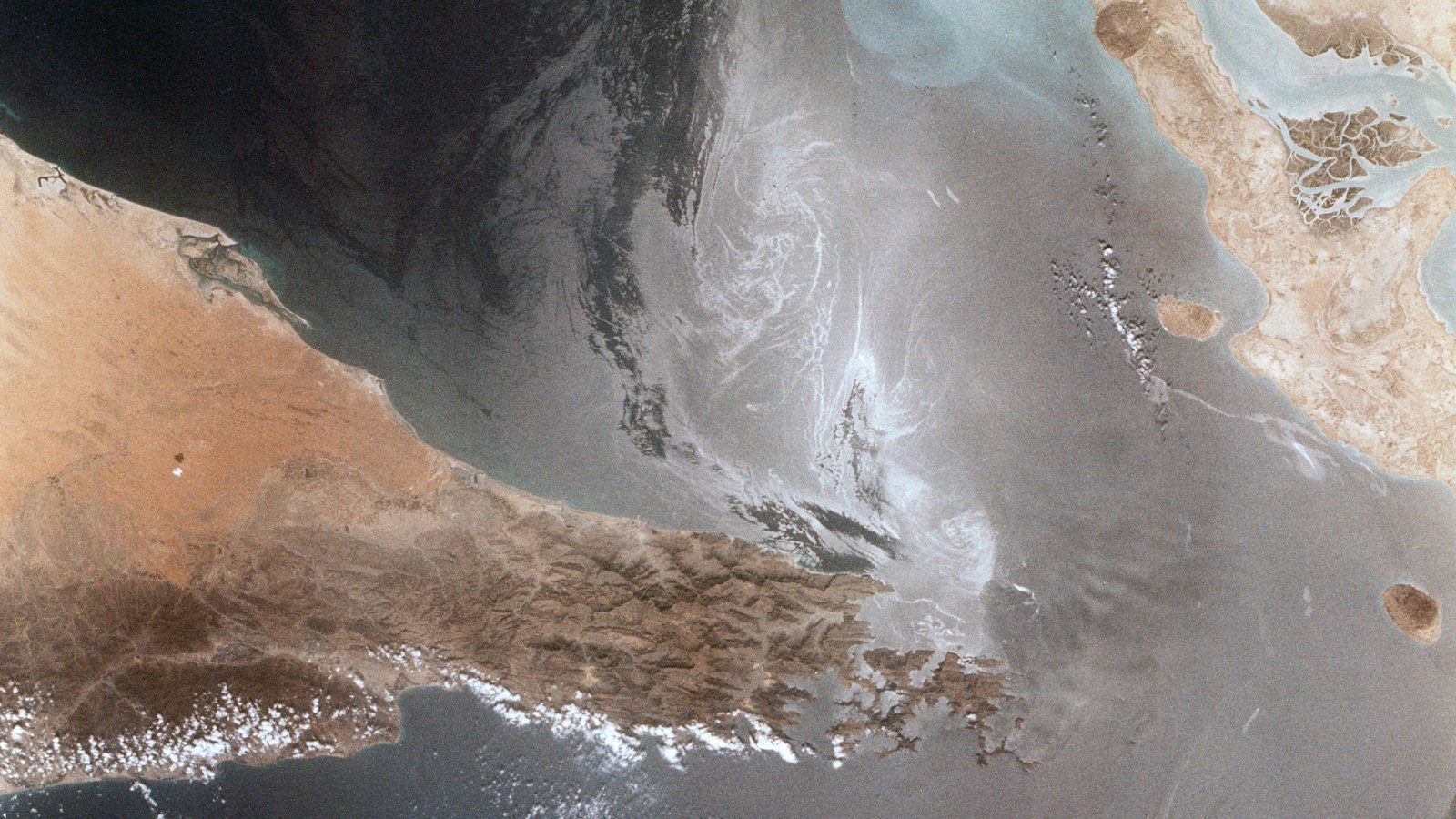
Iran has blacklisted 45 tankers and threatened fines, detention and cargo confiscation in a new escalation over passage through the Strait of Hormuz, according to reporting by Reuters.
The warning came in a late-Sunday post from the Persian Gulf Strait Authority, a new Iranian body established to manage the waterway. It said the vessels had breached Iranian rules for crossing the strait and that ships transferring cargo with them could also be added to the blacklist.
The list includes very large crude carriers, liquefied natural gas and liquefied petroleum gas tankers, and clean-product vessels. Reuters reported that some of the named ships are owned by ADNOC Logistics and Shipping and its subsidiary Navig8 Tankers, while others are linked to Saudi Arabia’s Bahri and companies based in several maritime jurisdictions.
The authority did not spell out the precise conduct that counted as a violation. Tehran has previously said that shipowners should obtain clearance to transit the strait and pay for security and other services, but the public notice did not establish how those requirements were applied to each vessel or what evidence supported the blacklist.
That uncertainty is central to the risk. A blacklist can function as a legal notice, a deterrent or a political signal, but it becomes a serious operational threat when insurers, cargo owners and port authorities must decide whether a listed vessel can safely move. A ship does not need to be detained for the warning to disrupt trade; higher insurance costs or a refusal to handle the cargo can be enough.
The shipping dispute is unfolding alongside a US naval blockade of Iran-related shipping and Washington’s preparations for new sanctions. Reuters reported that the Gulf supplied about one-fifth of the world’s daily crude oil and liquefied natural gas before the conflict disrupted tanker traffic. Every additional rule or threat therefore has consequences beyond the named vessels.
The list also creates a difficult position for the companies involved. They may seek clarification or removal from the list through Iran’s stated review process, but doing so could require them to engage with an authority whose status and procedures are still new. Meanwhile, their customers and counterparties must assess whether any cargo transfer involving a listed ship creates a secondary risk.
For now, the verified position is narrower than the most dramatic interpretation. Iran has published a list of 45 ships, threatened penalties and warned about ship-to-ship transfers. The report does not establish that any vessel has been detained, that cargo has been seized or that the listed companies accept Tehran’s account. The next test will be whether the authority names specific cases, takes enforcement action or opens a channel for vessels to challenge the designations.



Reader comments
Subscribers can join the conversationSign in to join the conversation. Comments are open to everyone with a free account.
Sign in or create accountLoading comments…