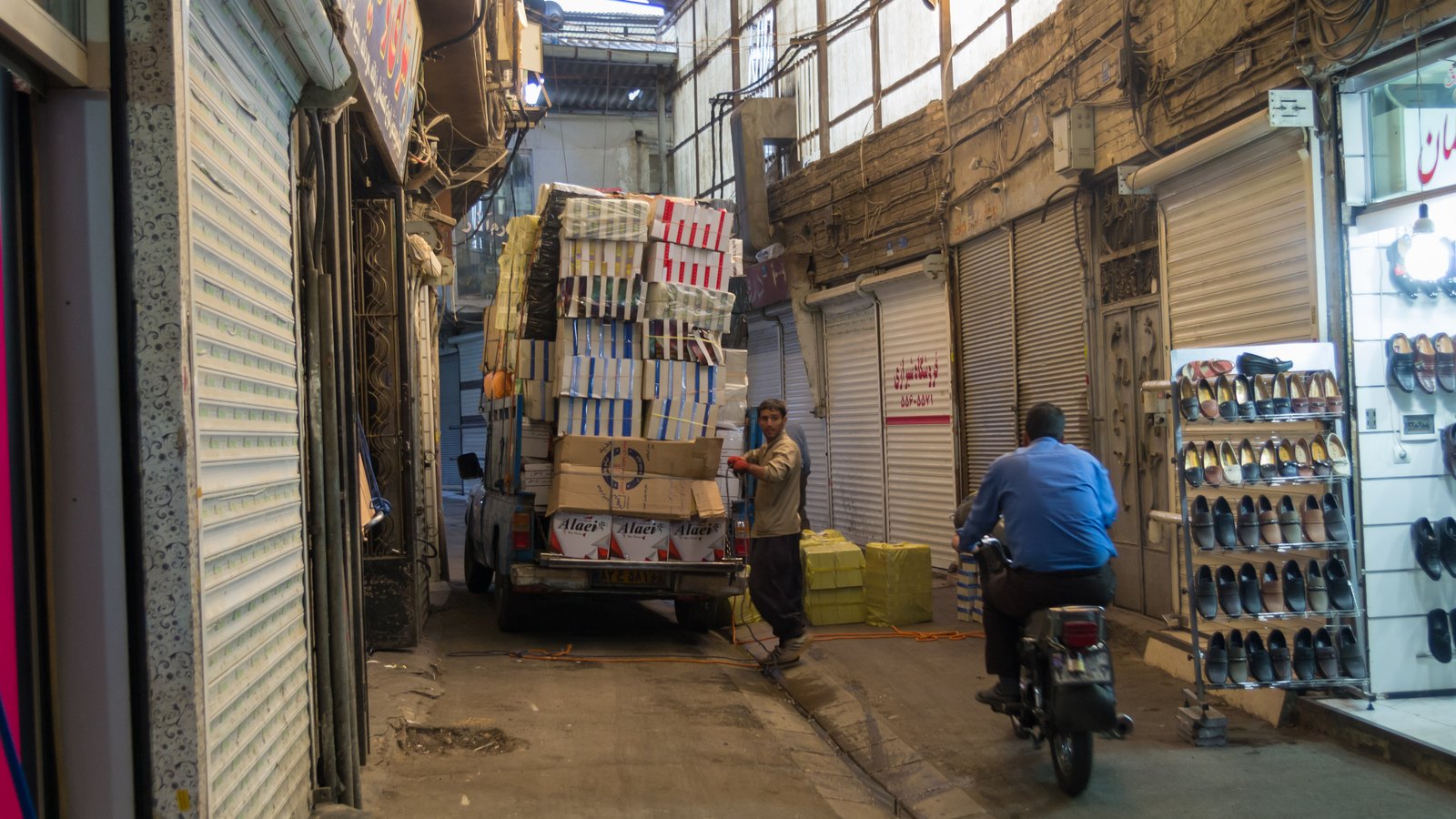
Iran’s rial fell to a record market rate of 2.02 million to the US dollar on Monday as Washington prepared to announce new sanctions against Tehran, a fresh sign of the pressure building inside an economy already damaged by war, restrictions and disrupted trade.
The market rate was reported by The Associated Press as trading opened. Iran’s official Central Bank rate stood at about 1.5 million rial to the dollar, but the market rate is the figure most people use when buying currency. The gap between the official and market rates is itself part of the story: it shows how far the state’s declared exchange rate has separated from the price available to households and businesses.
The decline came as the United States prepared measures that it says will increase pressure on Iran. Reuters reported, citing a source familiar with the plans, that the Treasury Department was expected to broaden the secondary sanctions it can impose on entities and countries that maintain business ties with Tehran. The source said the aim was to push countries to sever commercial connections with Iran and threaten access to the dollar-based financial system.
Those details were not yet a final Treasury order at the time of reporting. The distinction matters. A reported plan can change before the official notice, and the practical impact will depend on which sectors, companies, banks and shipping arrangements are named, whether wind-down periods are offered and how major buyers of Iranian oil respond.
The currency has been under pressure for longer than the current sanctions announcement. AP reported that Iran was already facing double-digit inflation and negative growth before the US and Israel attacked the country in February. Since the war began, staples have become more expensive, with rice and beef cited as examples of the rising cost of daily life. The International Monetary Fund has forecast an economic contraction of more than 5%.
The Strait of Hormuz gives Tehran a form of leverage that sanctions alone cannot remove. Attacks and threats against shipping have sharply reduced traffic through the waterway, damaging regional energy exports and creating a dispute over who can authorise passage and whether vessels should pay for security or other services. Iran’s control over the route has therefore become part of the economic confrontation, not merely a military side issue.
For Washington, the intended mechanism is pressure through third parties: make banks, insurers, shippers and trading companies decide whether access to Iran is worth the risk of exclusion from the dollar system. For Tehran, the danger is that each additional restriction pushes the rial lower, makes imports more expensive and weakens the government’s ability to show that resistance can protect living standards.
The next hard evidence will be the Treasury announcement and the list of affected activities. Until then, the verified picture is a record market-rate fall in the rial, an expected US sanctions expansion reported by Reuters and an Iranian economy under extraordinary strain. The currency is moving before the legal text is fully visible; the policy details will determine whether that movement becomes a short shock or a deeper financial break.

Reader comments
Subscribers can join the conversationSign in to join the conversation. Comments are open to everyone with a free account.
Sign in or create accountLoading comments…