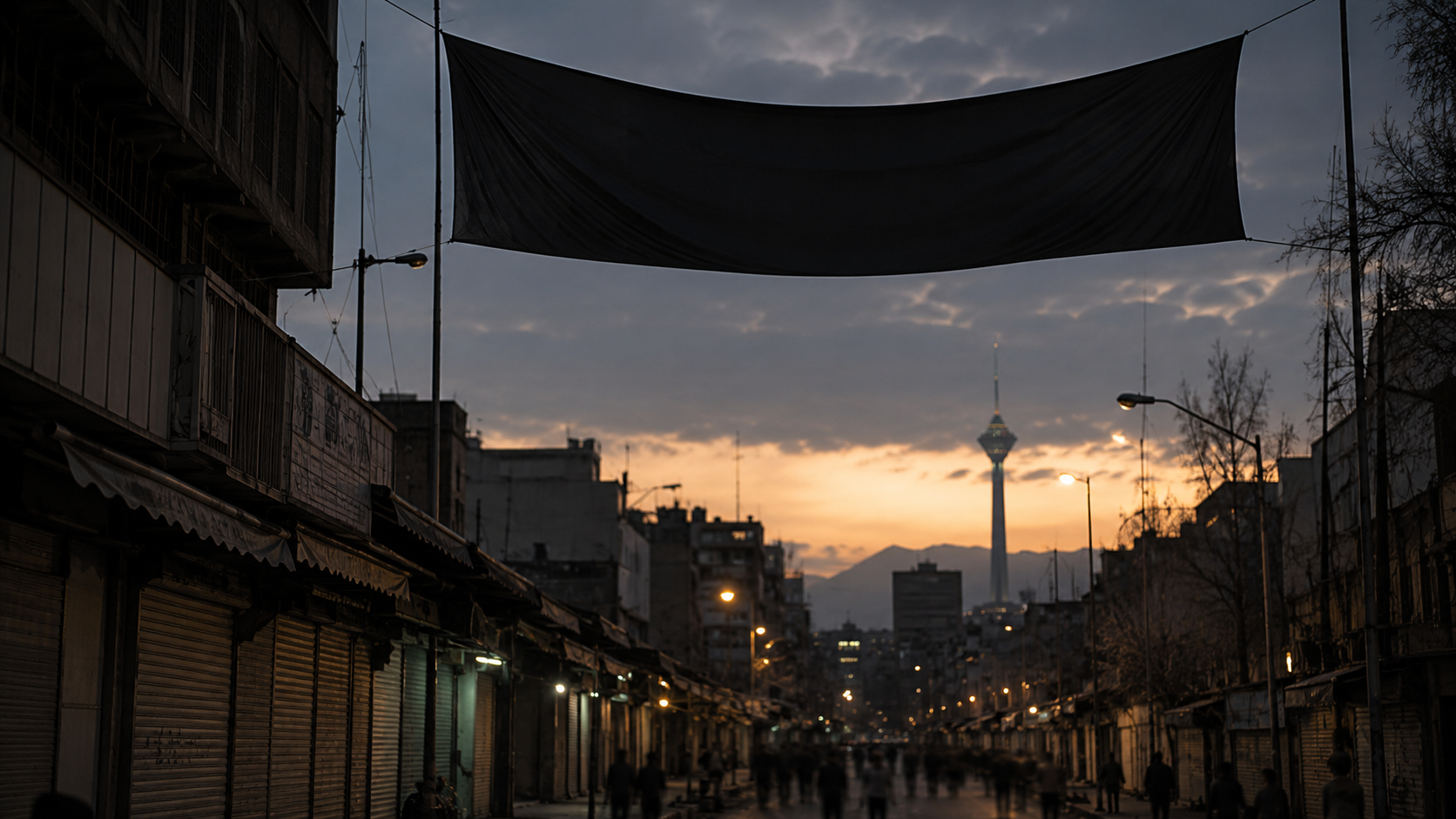
Iran has begun a dayslong state funeral for Ayatollah Ali Khamenei, opening a period of national mourning that also tests the country’s political succession at a moment of regional instability.
The funeral began in Tehran on Saturday, with large crowds expected through a series of ceremonies before burial. Associated Press reporting said the events follow Khamenei’s death during the war involving Iran, the United States and Israel, and come during a fragile interim ceasefire.
The ceremonies are more than a ritual farewell. In Iran’s political system, the supreme leader sits above elected institutions and holds decisive authority over the armed forces, security services, judiciary and foreign policy direction. A transition at that level can reshape internal power balances, especially when the country is under military, economic and diplomatic pressure.
The funeral also lands as outside powers watch the Strait of Hormuz, Iran’s nuclear position and any path toward a more durable ceasefire. Even if formal diplomacy slows during mourning, the political signals around the funeral may matter: who appears publicly, who leads prayers, which military figures are visible, and how state media frames continuity.
For Iran’s public, the funeral is likely to be presented as a moment of unity and resistance. For the region, it marks the beginning of a new and uncertain phase in a state whose leadership choices can affect energy markets, armed groups, Gulf security and relations with the West.
Reader comments
Subscribers can join the conversationSign in to join the conversation. Comments are open to everyone with a free account.
Sign in or create accountLoading comments…