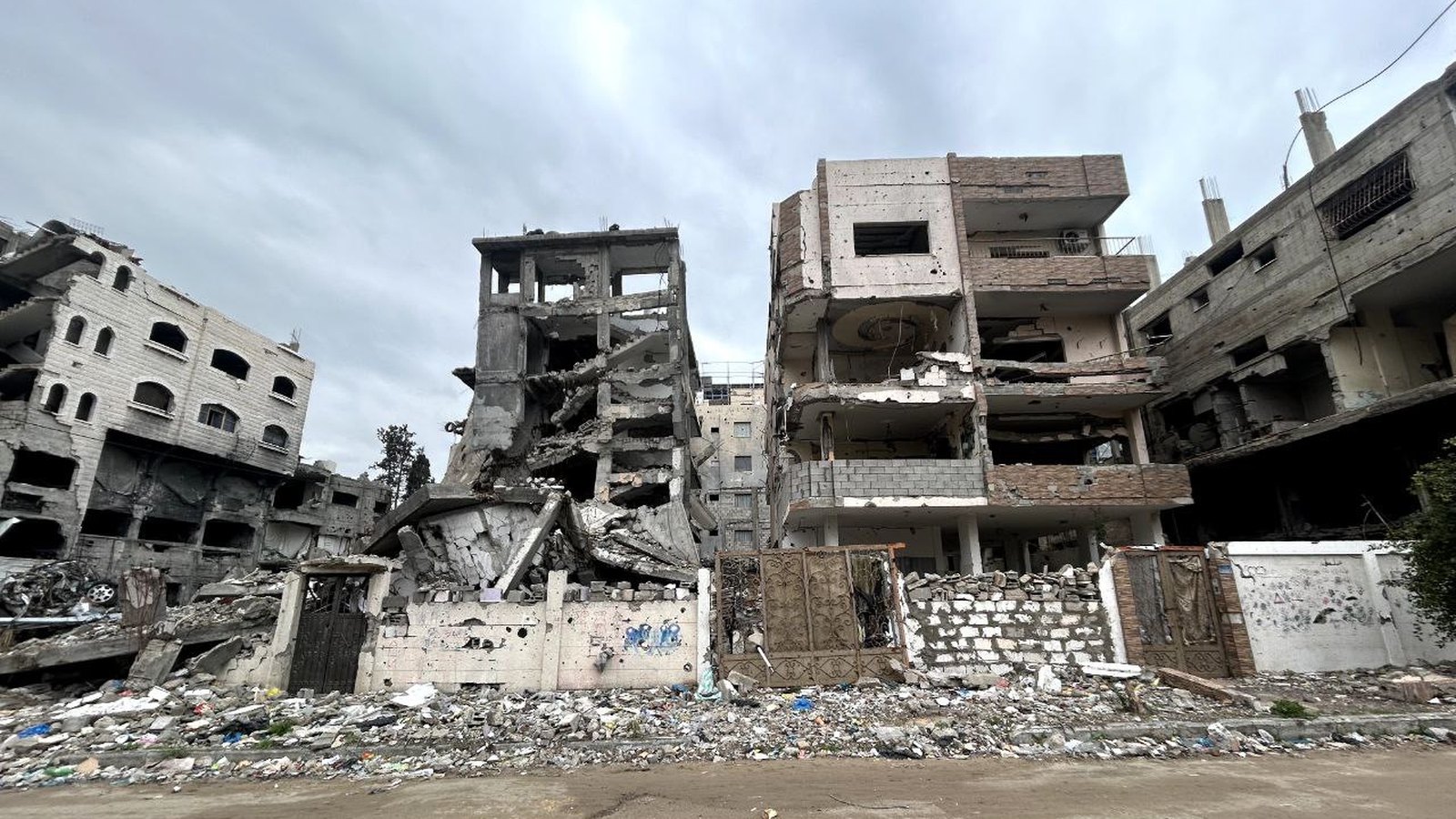
GAZA — Women heading households in Gaza face “impossible choices” amid continuing air strikes and still-scarce resources, United Nations humanitarians said in an update published on Tuesday. The assessment focuses attention on the practical work of survival: finding food, water, shelter, medical care and safety when displacement and disruption have narrowed the options available to families.
The update should be read precisely. It is a humanitarian assessment of acute needs, not a census of every household in Gaza. Its central observation is nonetheless clear: when women are responsible for children, older relatives or injured family members in an environment of repeated displacement and reduced services, basic decisions become high-risk calculations.
The UN also reported that WHO had reached more than 9,000 people, nearly half of them children, through expanded rehabilitation services at Al-Amal Hospital in Khan Younis and Ahmad Rehabilitation Hospital in Gaza City. It said about 43,000 people in Gaza need long-term rehabilitation, while specialised care remains severely limited. Such figures describe the capacity of humanitarian services, not an account of responsibility for every injury in the conflict.
Israel says its military operations target armed groups and has accused Hamas of operating among civilians. UN agencies and rights organisations have repeatedly warned of the civilian cost of the conflict and constraints on aid access. Those positions must remain attributed. What is not in dispute is the need identified by humanitarian workers: assistance has to reach people in forms that are accessible, safe and usable by households whose support networks, income and mobility have been profoundly disrupted.
*Reporting note: this article is based on the source record listed above and is current as of 9 September 2026. Figures and operational claims remain attributed where official or first-day reports can change.*


Reader comments
Subscribers can join the conversationSign in to join the conversation. Comments are open to everyone with a free account.
Sign in or create accountLoading comments…