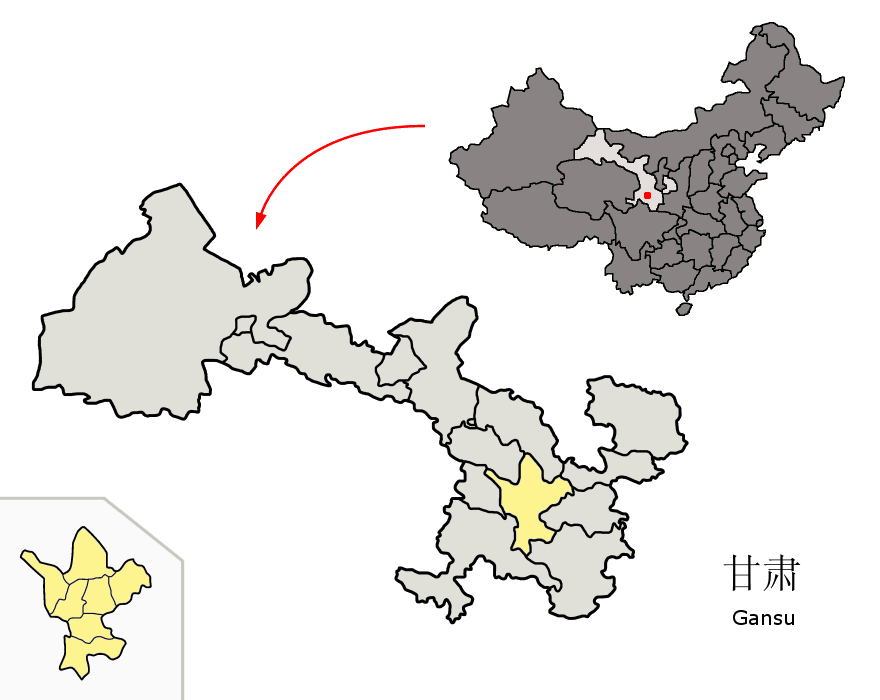
Ten people have been killed and 23 injured after a sudden flash flood struck a popular scenic area in Gansu province in north-western China, trapping campers and triggering a large rescue operation.
The flood hit the Shuangshimen scenic area in Weiyuan County, Dingxi City, on Sunday afternoon after a short period of intense rainfall sent a mountain torrent through the site.
Local authorities said some visitors had been camping when the water rose. At least 174 people were rescued, while the injured were taken to hospital for treatment.
Hundreds of rescuers deployed
China’s Ministry of Emergency Management and national flood-control authorities sent a work team to Gansu to guide the response. More than 300 rescue personnel and dozens of vehicles were deployed to search the site, reach stranded visitors and assess unstable terrain.
The national headquarters activated a Level IV flood emergency response for the province. Although Level IV is the lowest tier in China’s four-level system, it allows additional resources and coordination to be mobilised quickly while local conditions are still developing.
Rescuers faced difficult mountain terrain, damaged access routes and the continuing risk of further rainfall. Operations in narrow valleys are especially dangerous because water, rock and debris can move rapidly through confined channels.
A flood with little warning
Shuangshimen is known for mountain scenery, streams, alpine grassland and summer camping. Those features also create vulnerability when heavy rain falls upstream and concentrates in steep valleys.
Flash floods can develop within minutes. Visitors may experience little or no rain at their immediate location before a surge of water arrives from higher ground.
The disaster has renewed attention on warning systems and access controls at outdoor tourist sites during severe weather. Forecasts can identify a wider risk of intense rainfall, but the precise location and timing of a mountain torrent can be difficult to predict.
Separate from Typhoon Noul
The flood occurred as southern China was dealing with Typhoon Noul, but Gansu lies far from the storm’s principal route. Authorities attributed the incident to local short-duration heavy rainfall rather than the typhoon’s direct effects.
The two emergencies nevertheless underline the scale of weather pressure across China, with coastal provinces managing typhoon winds and storm rain while inland regions face sudden localised flooding.
Rescue teams will continue searching the area and reviewing the number of visitors who entered the site. The official toll may change as hospitals provide updates and authorities complete their accounting.
For the families affected, the speed of the disaster is central to its tragedy. A summer visit to a mountain scenic area became a mass-casualty emergency in the time it took a stream to become a torrent.



Reader comments
Subscribers can join the conversationSign in to join the conversation. Comments are open to everyone with a free account.
Sign in or create accountLoading comments…