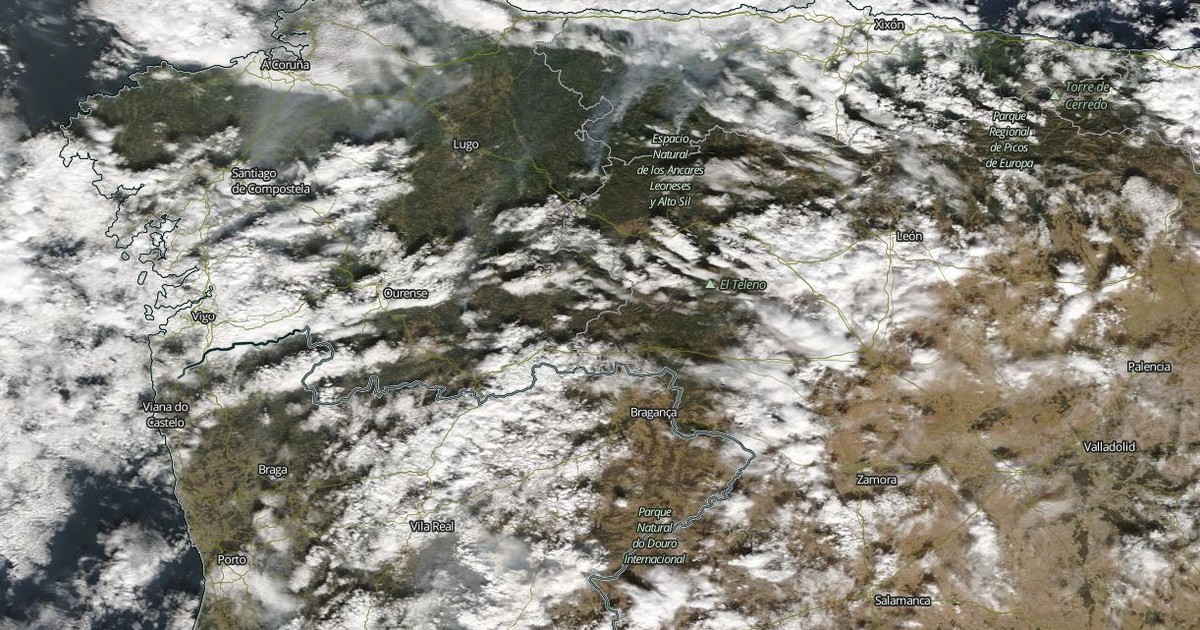
Around 330,000 people have been evacuated across France and Spain as wildfires burn through forests, farmland and communities during an exceptional European fire season.
A crisis across two countries
The largest French fires have centred on the south-west, where communities around Bordeaux, Arcachon Bay and the Landes de Gascogne forest were ordered to leave as flames spread through dry pine woodland. More than 200,000 people were evacuated at the height of the emergency.
Authorities have since allowed some residents to return as conditions improved in selected areas, but several communities remained closed and thousands of firefighters continued containment work. The principal blaze burned tens of thousands of hectares and damaged or destroyed homes, businesses and infrastructure.
Spain has also faced major fires around Madrid, Avila and other regions. Tens of thousands of people were moved from threatened towns, while military emergency units and aircraft joined regional crews. Some evacuation orders were lifted as individual fronts stabilised, but new fires continued to appear elsewhere.
Why the season became so dangerous
The scale of the emergency reflects a combination of weather and fuel conditions. A wet winter and spring encouraged heavy vegetation growth. Successive heatwaves then dried that vegetation, leaving large quantities of combustible material across forests and rural land.
High temperatures, low humidity and strong winds can transform a small ignition into a fast-moving fire. In the most extreme conditions, fires generate their own winds and towering clouds, making their direction harder to predict and limiting the effectiveness of aircraft.
Climate change does not provide a simple explanation for the ignition of every blaze. Fires can begin through accidents, infrastructure faults, negligence or deliberate acts. However, rising temperatures and longer dry periods increase the probability that fires will spread rapidly and become more difficult to control.
Record pressure on emergency systems
France entered the final weeks of July with a burned area already far above its recent seasonal average. Spain also recorded an exceptional number of fires and a cumulative burned area approaching the scale of previous disaster years.
The simultaneous emergencies have stretched firefighting capacity. Crews must defend towns, evacuate care homes, keep roads open and protect critical infrastructure while attempting to contain fronts that can extend for many kilometres.
European assistance mechanisms have helped move aircraft, helicopters and personnel across borders, but the scale of the fires shows the limits of relying only on emergency response. Prevention, land management, early detection and evacuation planning are becoming as important as the number of water-bombing aircraft available once a major blaze begins.
The costs continue after the flames
The immediate concern is life safety, but the economic and public-health consequences will last longer. Smoke can affect people far from the fire zone. Tourism-dependent communities can lose a season of income, farmers can lose crops and livestock, and insurers and public authorities face large reconstruction costs.
Forests may take decades to recover, and badly burned soil can increase the risk of erosion and flooding when heavy rain returns.
What happens next
Cooler weather has helped some crews, but officials have warned that the European summer is not over. Another period of heat or wind could reactivate smouldering areas or turn new ignitions into major incidents.
For residents returning home, the emergency may feel as though it is receding. For the region's fire services, the dangerous part of the season may still lie ahead.

Reader comments
Subscribers can join the conversationSign in to join the conversation. Comments are open to everyone with a free account.
Sign in or create accountLoading comments…