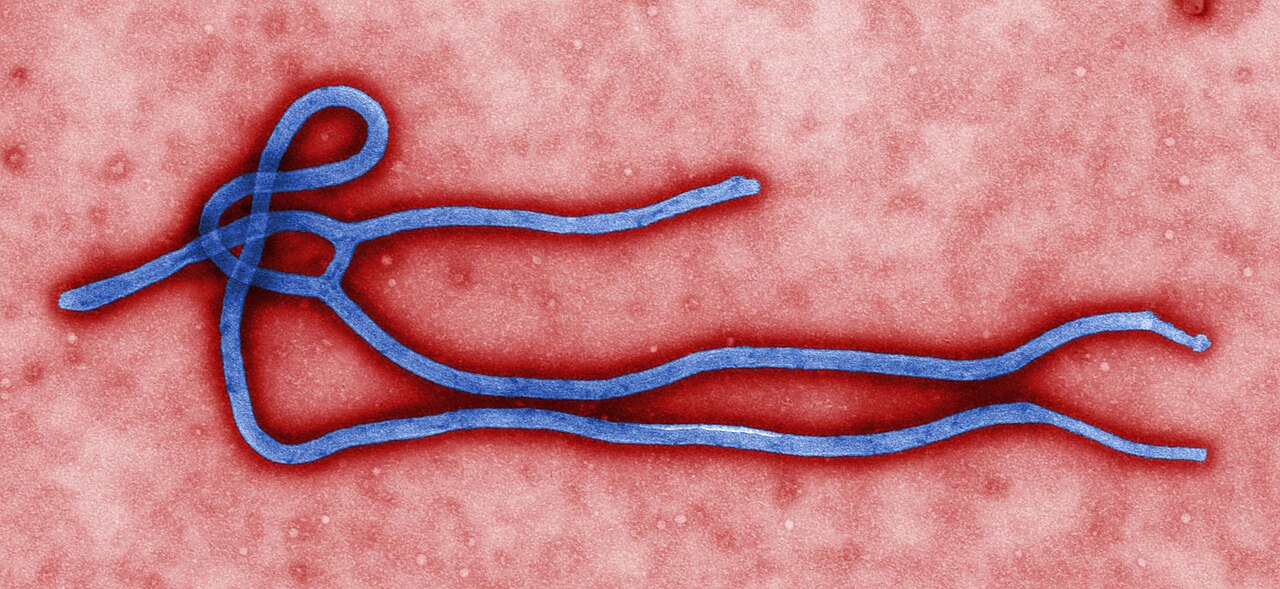
The Democratic Republic of Congo's Ebola outbreak has passed 3,200 confirmed cases, pushing close to the total recorded during the country's worst previous epidemic while spreading at a much faster pace.
The latest figures reported by health authorities show 3,262 confirmed infections and 1,437 deaths. The outbreak, centred in Ituri province, has reached that scale in roughly ten weeks.
The 2018-2020 outbreak in eastern Congo ultimately produced more than 3,400 cases and over 2,200 deaths. The current emergency has not yet surpassed that toll, but its speed has alarmed public-health specialists and increased pressure on an already strained response.
A harder virus to contain
The outbreak is caused by Bundibugyo virus, a species of Ebola virus for which there is no approved vaccine or specific treatment. Supportive care can improve survival, but controlling transmission depends heavily on rapid diagnosis, isolation, safe burials and the tracing of contacts.
The World Health Organization added the first molecular diagnostic test for Bundibugyo virus to its emergency-use list earlier in July. That could improve confirmation of suspected infections, although testing capacity alone cannot overcome the security and access problems affecting eastern Congo.
Ituri has experienced years of armed violence and displacement. Health workers must reach communities where roads are poor, populations are mobile and trust in public institutions is fragile. Treatment centres and medical personnel have also faced attacks.
Response under pressure
Authorities have struggled to identify the original patient and reconstruct the earliest chains of transmission. That makes it more difficult to find everyone who may have been exposed and to understand how widely the virus had spread before the outbreak was formally recognised.
Labour disputes and unpaid wages have added to the pressure on the health system. At the same time, fear and misinformation have contributed to resistance against treatment teams and safe-burial procedures.
The result is a dangerous combination: a fast-moving virus, incomplete contact tracing and an operating environment in which medical teams cannot always work safely or consistently.
Uganda closes its outbreak
Neighbouring Uganda declared its linked outbreak over after completing the required 42-day period without a new case. The country recorded 20 confirmed cases, most of them imported or linked to cross-border exposure, and contained wider community transmission.
That success demonstrates that rapid isolation and intensive contact management can interrupt the virus. It also underlines the regional risk created by continued transmission in Congo, where cross-border movement remains unavoidable.
The figures are likely to continue changing as laboratories process samples and surveillance expands. Some newly confirmed cases may reflect a backlog rather than infections acquired in the preceding days. Even with that qualification, the trajectory is severe.
The immediate priorities are clear: protect health workers, restore access to affected communities, accelerate testing and improve cooperation with local leaders. Without progress on those fronts, the outbreak could surpass Congo's previous record and continue exporting risk beyond its borders.


Reader comments
Subscribers can join the conversationSign in to join the conversation. Comments are open to everyone with a free account.
Sign in or create accountLoading comments…