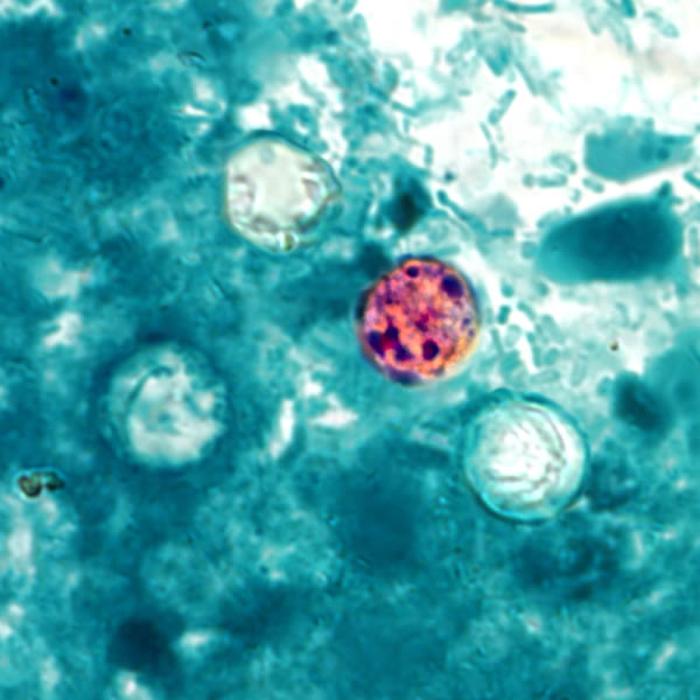
A multistate outbreak of Cyclospora infections linked to recalled iceberg lettuce has reached 1,947 reported cases across nine US states, according to the Food and Drug Administration.
At least 98 people have been admitted to hospital. No deaths have been reported. The cases included in the investigation involve people who reported exposure to Taco Bell, with illnesses beginning between 22 June and 20 July.
The affected states are Illinois, Indiana, Kansas, Kentucky, Michigan, Ohio, Oklahoma, Pennsylvania and West Virginia. Officials expect the total to continue rising because it can take several weeks to determine whether an individual illness belongs to the outbreak.
The lettuce recall
Taylor Farms de Mexico removed iceberg lettuce sourced from central Mexico from the US market on 17 July. The recall includes specified Marketside iceberg-salad and shredded-lettuce products sold at Walmart, as well as products supplied to food-service customers.
The FDA says traceback information and outbreak data converge on shredded iceberg lettuce supplied by Taylor Farms from growers in central Mexico. The investigation remains active, and additional brands, restaurants or distribution channels could still be identified.
A laboratory sample collected at the border was initially reported as positive for Cyclospora but was later reclassified as a false positive after review. Regulators stressed that this did not alter the wider epidemiological and traceback evidence supporting the recall.
What Cyclospora causes
Cyclospora cayetanensis is a microscopic parasite that can cause prolonged intestinal illness. The most common symptom is frequent diarrhoea. Other symptoms can include loss of appetite, weight loss, stomach cramps, bloating, nausea, fatigue and increased gas.
Symptoms may begin days or weeks after contaminated food is consumed and can relapse if the infection is not treated. That delayed pattern is one reason outbreak totals can grow after implicated products have already been withdrawn.
Consumers who still have recalled products have been advised not to eat them. They should discard the lettuce and clean surfaces or containers that may have come into contact with it. Anyone experiencing compatible symptoms should contact a healthcare provider.
An active investigation
The case total should not be interpreted as evidence that every person who ate at an affected restaurant became ill or that every Cyclospora infection recorded nationally came from the same source. The investigation concerns a defined group of cases linked by exposure and traceback evidence.
Foodborne outbreaks involving fresh produce can be difficult to resolve because ingredients pass through complex supply chains and may be eaten before testing or tracing is completed. Lettuce is also often consumed raw, leaving no cooking step to kill a parasite.
The recall has reduced the immediate risk from the identified products. The public-health task now is to find any remaining contaminated stock, identify further cases and determine how the lettuce became contaminated before it entered the distribution system.



Reader comments
Subscribers can join the conversationSign in to join the conversation. Comments are open to everyone with a free account.
Sign in or create accountLoading comments…