
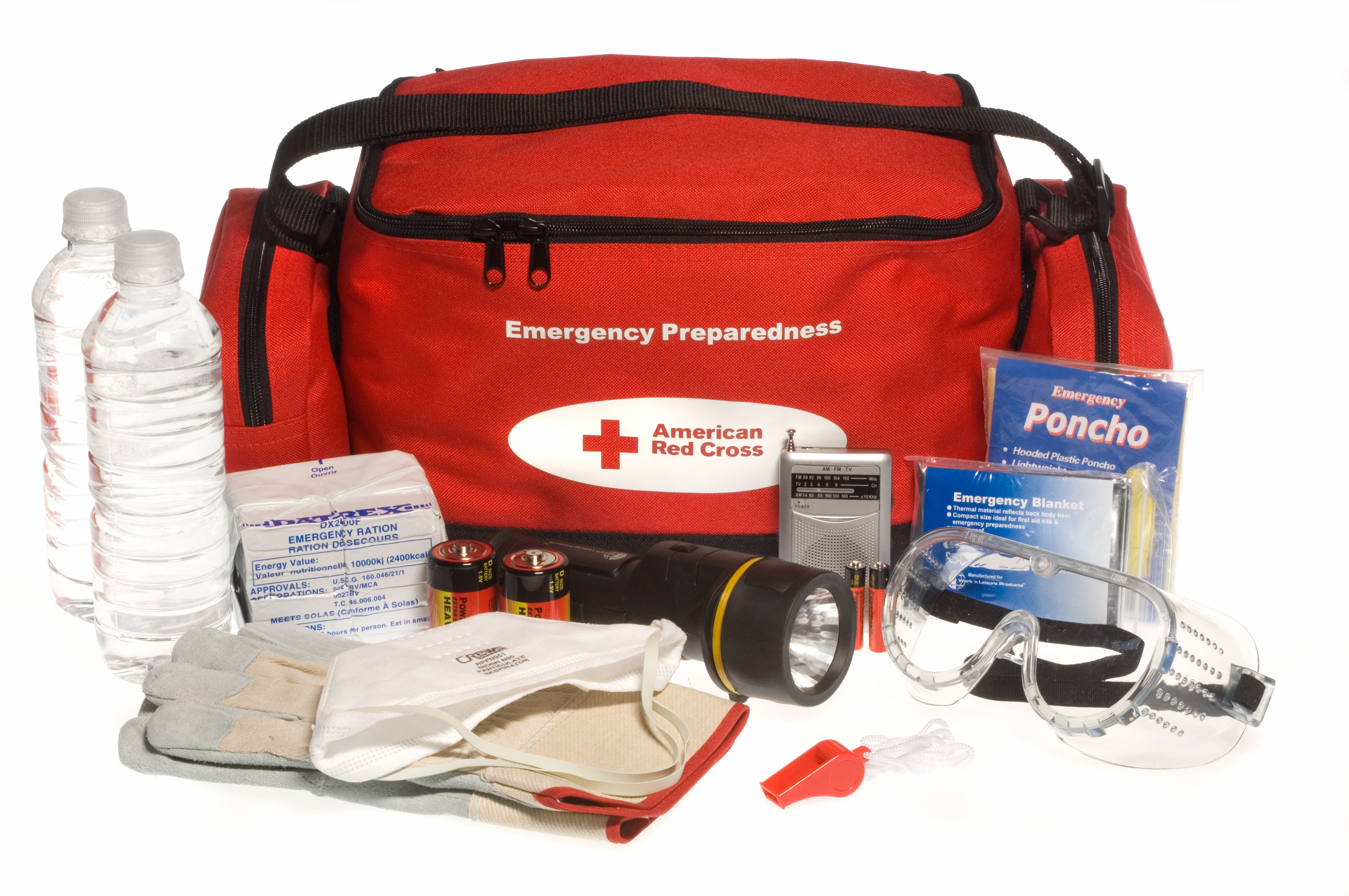
Within ten days of the UK government launching its Be Ready public information campaign this autumn, British shopping habits shifted overnight. Sales of hand sanitiser jumped by 83 per cent. Bottled water surged by 67 per cent, and the number of daily shoppers buying tinned meat climbed by 43 per cent.
The spark was an official checklist urging every British household to store three days of emergency supplies: nine litres of drinking water per person, non-perishable food, cash, a torch, and a battery-powered or wind-up FM radio.
On TikTok and Instagram, that sober civil defence advice mutated into digital hysteria within hours. Self-styled survival influencers began posting frantic videos claiming the checklist was a coded warning of imminent war, total grid collapse, or an unnamed global catastrophe.
The truth is far less cinematic, yet far more important to understand. Britain is not bracing for the apocalypse. It is catching up with basic modern resilience, and trying to fix a dangerous blind spot in how we live.
A Belated Return to Civil Resilience
If you look beyond the British shoreline, the UK’s 72-hour rule looks remarkably modest. France, Ireland, the Netherlands, and the wider European Union all advise citizens to keep three days of essentials at home. In Sweden and Norway, households are told to prepare for seven days. In Germany, official civil defence guidance recommends ten.
In Scandinavian countries, receiving a government preparedness booklet through the letterbox is treated as an unremarkable civic duty, no different from checking a smoke alarm. Britain simply lost that muscle memory after the Cold War ended, dismantling regional bunkers and retiring the Protect and Survive era in favour of ultra-lean, hyper-efficient modern infrastructure.
The purpose of a 72-hour buffer is not to help you outlast the end of civilisation. As British Red Cross planners and disaster experts explain, it is designed to keep healthy households self-sufficient during severe winter storms, flooding, or localised cyber disruptions. If millions of families can manage for three days without calling 999 or stripping supermarket shelves bare, emergency responders can focus on the elderly, the medically vulnerable, and the critical repair crews working to get the lights back on.
Blackouts, Hype, and Grid Reality
Nowhere is the gap between online fiction and engineering reality wider than on the subject of power cuts.
Social media thrives on the Hollywood image of a permanent, nationwide blackout. In reality, the UK National Grid has never suffered a total nationwide failure in its 75-year history. When the power goes out, as it did for tens of thousands of homes during recent severe winter storms, it is almost always local damage caused by high winds, fallen trees, or flooded substations, typically resolved within hours rather than weeks.
Yet educated risk analysis suggests our real vulnerability is not an exploding power station, but our fragile digital plumbing. Over the past four decades, British supermarkets and utility companies abandoned expensive warehouse stockpiles in favour of ‘just-in-time’ logistics. Shelves are replenished continuously by lorries guided by automated software. At the same time, Britain has largely ditched cash and analogue backups.
As National Cyber Security Centre chief Dr Richard Horne recently warned, a targeted cyberattack on payment networks or logistics systems could freeze card machines and empty supermarket aisles even whilst the power stations are still humming.
Meanwhile, contingency planners take extreme ‘Black Sky’ scenarios (a catastrophic failure knocking out power, water, and mobile networks simultaneously) seriously enough to prepare for them quietly. Details recently emerged of the BBC’s secret emergency studio, staffed by around 100 people with three days of diesel, food, and water, ready to broadcast survival instructions over old-school FM radio because transmitter masts carry 72-hour backup fuel whilst mobile phone towers quickly go dark. Alongside it, the government’s Advanced Research and Invention Agency is investing £70 million in high-altitude aircraft designed to beam down emergency mobile signals if ground networks fail.
The Social Media Panic Machine
Whilst engineers build quiet redundancies, social media algorithms reward loud panic. Fear drives clicks, and clicks sell £300 freeze-dried ration buckets, tactical water filters, and affiliate links.
Worse, online ‘prepper hacks’ frequently spread lethal advice. Viral videos routinely tell viewers to stock up on candles or use camping stoves indoors during a power cut. Both are serious killers: unattended candles cause devastating house fires, and burning gas stoves indoors releases invisible, fatal carbon monoxide. Official UK guidance explicitly warns against both, urging people to use simple LED torches and warm clothing instead.
Panic-buying also tricks people into hoarding the wrong things. Under the psychological ‘illusion of control’, anxious shoppers grab bulky toilet rolls or perishables whilst ignoring the practical realities of a 48-hour outage: dead phone batteries, cold living rooms, useless contactless bank cards, and a lack of a manual tin opener. Millions of households on tight budgets cannot afford a bunker full of supplies anyway, nor do they need one. True resilience is built slowly, by adding two or three extra tins and a bottle of water to your normal weekly shop, and registering vulnerable relatives on your energy supplier’s free Priority Services Register.
The Quiet Insurance Policy
It is easy to mock preparedness until the evening the heating clicks off, the mobile signal drops to zero, and the corner shop’s card reader refuses to connect.
Most likely, a winter storm or a local substation fault will remain nothing more than a cold, inconvenient evening spent reading by torchlight. The doomsday merchants on your phone screen are almost certainly wrong about the end of the world.
Yet history has a habit of punishing societies that mistake decades of smooth convenience for permanent immunity. Modern life runs on razor-thin margins: invisible cables, automated supply chains, and digital transactions that work brilliantly until the exact moment they do not. Putting aside nine litres of water, a few tins of food, a pocketful of cash, and a battery radio is not an act of paranoia. It is a quiet, cheap insurance policy against the day the modern world blinks. If the grid ever goes dark for 72 hours, the people who planned ahead will not be the ones fighting over the last bottle of water in the supermarket aisle.


Reader comments
Subscribers can join the conversationSign in to join the conversation. Comments are open to everyone with a free account.
Sign in or create accountLoading comments…