

RAF Fairford is no longer merely the site of a major British counter-terrorism investigation. It has become the centre of a wider security crisis involving American aircraft, suspected Iranian threats and an intelligence picture that London and Washington have yet to explain in full.
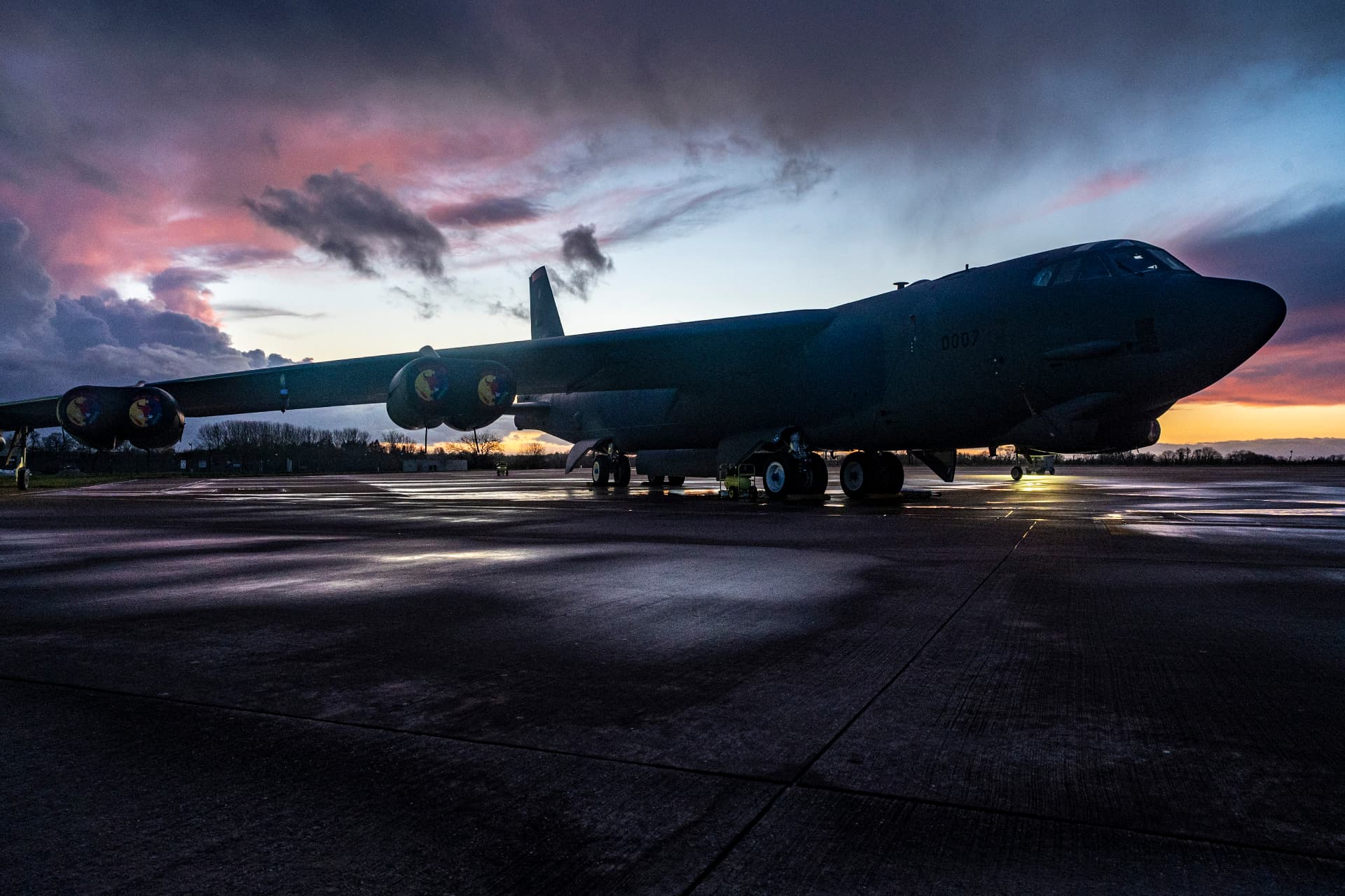
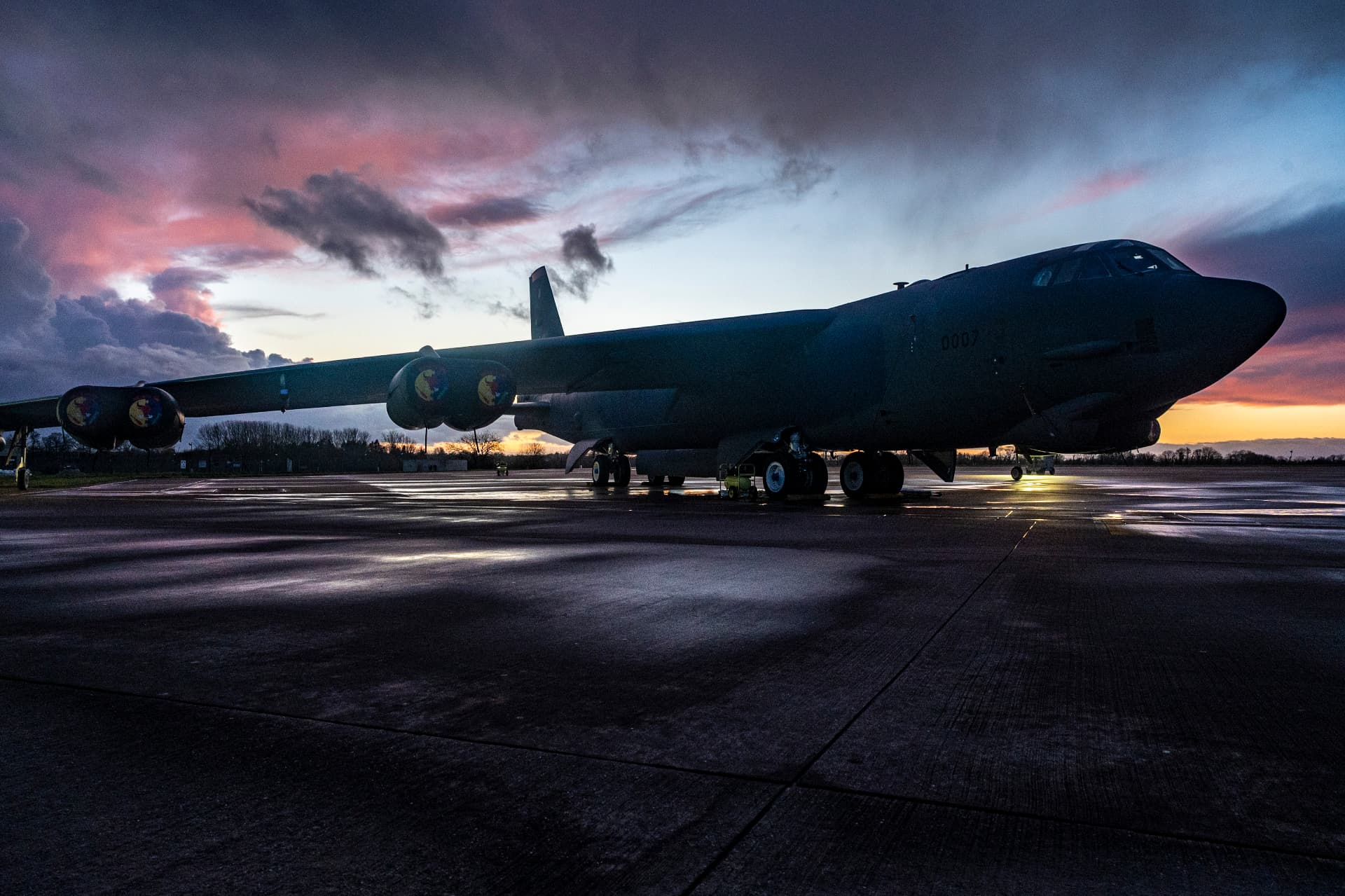
The most consequential development since the first arrests is confirmed: all U.S. bombers deployed to RAF Fairford have returned to American bases.
The Pentagon has said the aircraft were redeployed to their home stations. U.S. European Command declined to discuss specific intelligence or force-protection measures, but said American bombers retain the ability to conduct global strike missions from the continental United States. AP reported the redeployment and the official explanation.
That movement has been linked by U.S. officials to a suspected Iranian plan to launch a complex drone attack against the base. Reuters reported that two officials familiar with the matter believed the threat prompted Washington to remove its B-1 bombers from Gloucestershire. The report did not establish that an attack was launched, that a drone reached the base or that the Iranian government ordered an operation. Reuters reported the intelligence claim while noting Iran’s denial.
A separate account published by AP described U.S. officials as believing that the alleged threat was intended to kill American troops and destroy U.S. aircraft. Again, the official was not authorised to discuss the underlying intelligence, leaving the public with the seriousness of the assessment but few independently verifiable details.
That gap matters. The aircraft withdrawal is a confirmed military decision. The alleged plot remains an intelligence claim.
The official accounts do not fully align
The public explanation has also been complicated by conflicting descriptions of the bomber movement.
Axios reported that Secretary of State Marco Rubio had previously characterised the aircraft movements as routine rotations rather than a response directly connected to the Fairford arrests. Axios reported the differing account.
The difference has not been resolved publicly. Washington has cited force protection and an Iranian-linked threat, while other officials have described the aircraft movements as part of normal operational rotation. British authorities have not publicly confirmed the alleged Iranian connection.
The result is an unusual division between action and explanation: the United States has moved a significant bomber deployment, but neither government has released the intelligence that would allow the public to assess why.
A seventh arrest
The British investigation has continued alongside the military withdrawal.
Counter Terrorism Policing confirmed on 6 October that a 22-year-old British man had been arrested in Westminster on suspicion of preparing terrorist acts. Police searched property in the same area.
The arrest followed five detentions near RAF Fairford on 27 September and the arrest of a 25-year-old dual British-Iranian national on 1 October. Counter Terrorism Policing said the five original suspects and the dual national remained on police bail. The latest arrest brings the total number of people detained in connection with the investigation to seven. Counter Terrorism Policing’s update is available here.
Police have not announced charges against the Fairford group. They continue to describe the investigation as live, with multiple lines of inquiry and all possible motives being examined.
That is important because the public narrative has moved faster than the legal case. The presence of a seventh suspect does not, by itself, establish the nature of the alleged plot or prove a foreign-state connection.
What investigators have and have not found
The evidence publicly disclosed so far remains limited.
Reports have said petrol was recovered from three vehicles, but no explosives were found. The original arrests followed reports of suspicious vehicles and people near the base, with local residents temporarily moved from their homes while the vehicles and surrounding area were searched.
Those facts may explain why police treated the incident as serious. They do not yet demonstrate that the suspects possessed a functioning attack plan, nor do they establish that Iran directed or supported the activity.
Iran has denied involvement. British police have not attributed the investigation to Tehran, and ministers have avoided confirming the more detailed claims about a drone operation.
Precision matters over the U.S. withdrawal
The confirmed development is that the deployed U.S. bombers left RAF Fairford. I have not found a public official statement confirming that every American service member or support employee has left the base, nor that RAF Fairford has been closed.
That distinction is not cosmetic. A bomber deployment can be withdrawn without ending the broader military relationship with the base. It also means that the aircraft movement should not be presented as proof that an attack occurred or that the suspected plot was successful.
One further case should not be confused with the Fairford investigation. Counter Terrorism Policing and the Crown Prosecution Service have separately charged Joshua Kerry with preparing acts of terrorism, including an alleged plan involving Nigel Farage. That is a distinct prosecution and has not been identified by police as part of the RAF Fairford case. The separate charge was confirmed by the CPS.
The next test is evidence
RAF Fairford has now become the meeting point between a local criminal investigation and a strategic military decision.
The arrests are real. The bomber withdrawal is real. The existence of a publicly disclosed Iranian drone plot, however, remains unproven.
The investigation will move beyond speculation only if prosecutors bring charges, police disclose a clearer evidential basis or the government explains why the alleged threat justified such a significant change in U.S. air operations.
Until then, the most accurate conclusion is also the least dramatic: the security assessment changed, the bombers left, and the central questions remain open.
Reader comments
Subscribers can join the conversationSign in to join the conversation. Comments are open to everyone with a free account.
Sign in or create accountLoading comments…