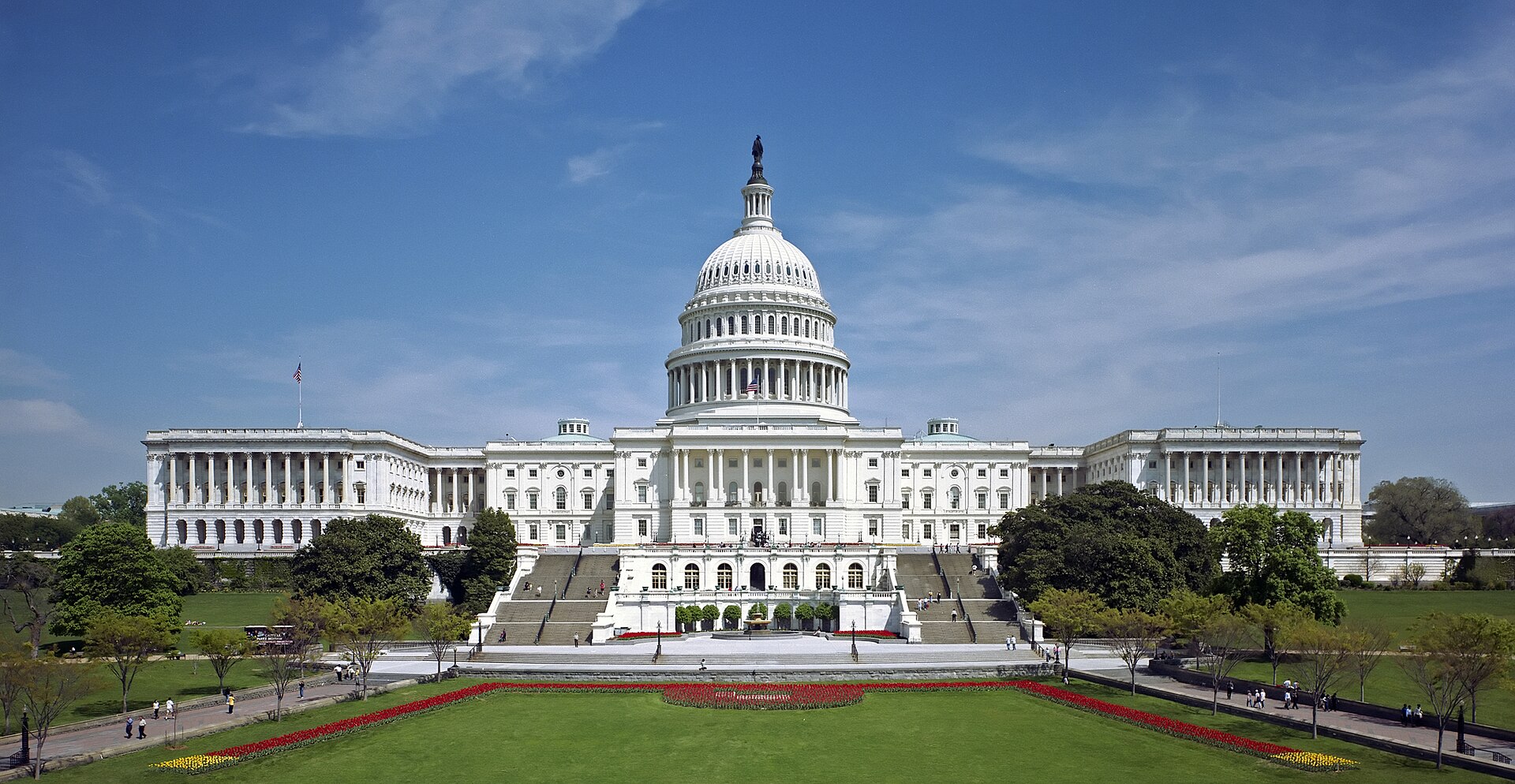
A bipartisan group of US senators has reached an agreement with the Trump administration on tougher Russia sanctions, giving fresh momentum to a bill designed to squeeze Moscow’s wartime economy.
The proposal targets Russia directly, but its sharpest pressure point is aimed at countries still buying Russian oil, gas, uranium and other products. Supporters argue that Moscow’s energy exports continue to help fund the war in Ukraine and that secondary sanctions are needed to raise the cost of doing business with the Kremlin.
The deal brings together senators from both parties with the White House, signalling a more coordinated approach between Congress and the Trump administration after months of uncertainty over how aggressively Washington should move against Russia.
The sanctions push has been associated with senators including Lindsey Graham and Richard Blumenthal, who have argued for a stronger economic response to Russia’s invasion of Ukraine. Earlier versions of the legislation included sweeping penalties and tariffs on countries buying key Russian exports, with China, India and Brazil often named by supporters as major targets because of their energy purchases.
The agreement matters because it shifts the debate from whether Washington should tighten pressure on Moscow to how far that pressure should go.
For Ukraine, the timing is significant. Kyiv has repeatedly called for stronger sanctions, more air defence, and long-term Western military support as Russia continues its campaign of drone and missile attacks. Economic pressure on Russia is seen by Ukraine’s allies as one of the few tools that can operate alongside battlefield support without requiring direct Western military involvement.
For Washington, the political calculation is more complicated. A sanctions package that targets countries buying Russian energy could have consequences for global trade, oil markets and relations with major economies. It could also test how far the United States is willing to go in punishing third countries for commercial links with Moscow.
Supporters argue that the cost of inaction is higher. They say Russia has adapted to earlier sanctions, relied on alternative buyers, and used energy revenue to keep financing its war effort.
The next question is whether the agreement becomes law quickly, and whether the final version retains enough force to change Moscow’s calculations.
If it does, the sanctions bill could become one of Washington’s most consequential Ukraine-related moves of the year.

Reader comments
Subscribers can join the conversationSign in to join the conversation. Comments are open to everyone with a free account.
Sign in or create accountLoading comments…