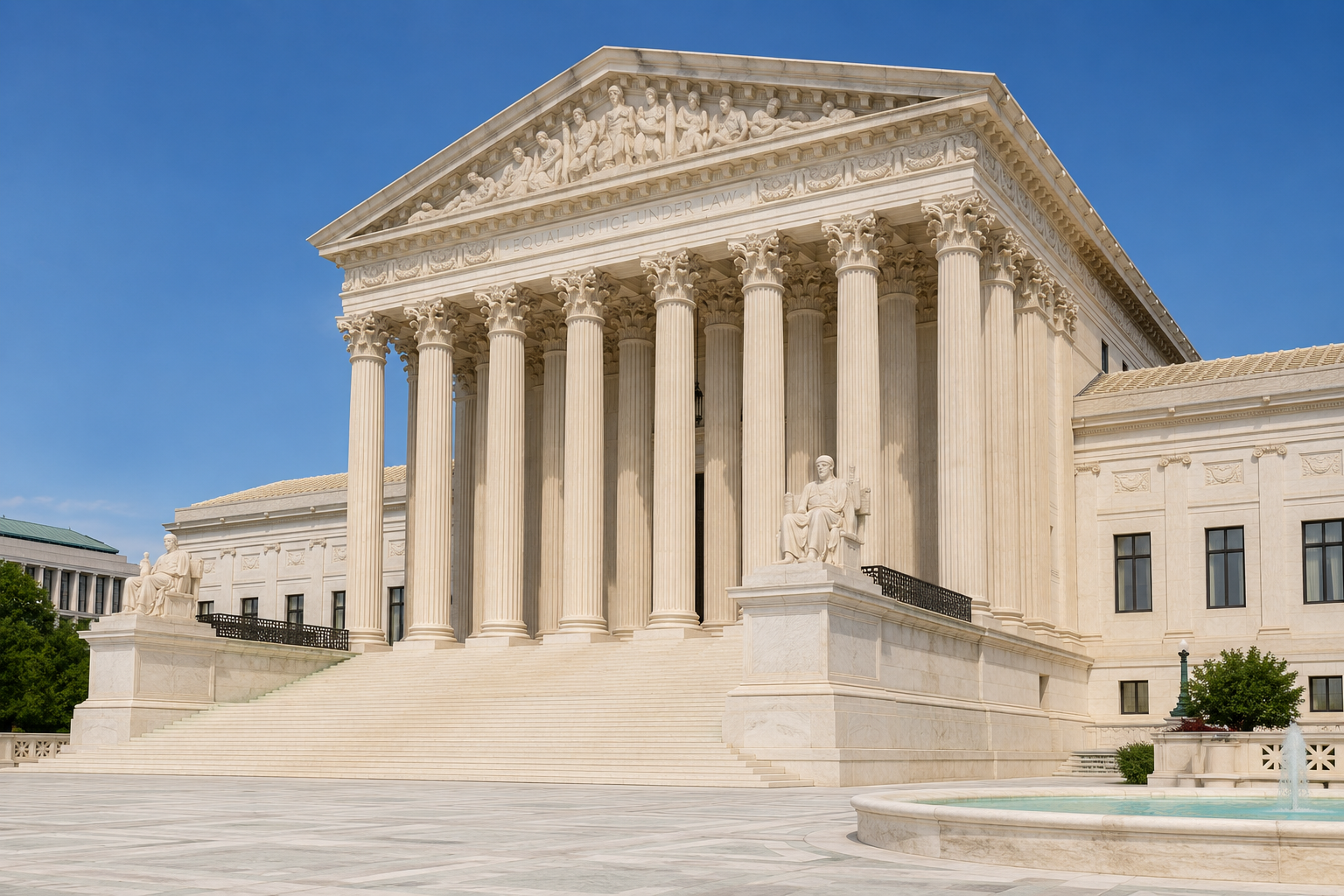
The US Supreme Court has ruled for the Trump administration in an immigration case involving the treatment of a lawful permanent resident returning to the United States after being accused of a crime.
In Blanche v. Lau, the Court held that the Immigration and Nationality Act does not require border officers to have clear and convincing evidence that a lawful permanent resident has committed a crime involving moral turpitude before treating that person as an applicant for admission. The Court vacated the Second Circuit's judgment and sent the case back for further proceedings.
The ruling does not decide whether Muk Choi Lau's alleged offence qualified as a crime involving moral turpitude. That distinction matters: the decision addresses the evidentiary threshold at the border, not final removability or guilt.
The practical impact will depend on how immigration authorities apply the decision and how lower courts handle returning permanent residents placed in parole or admission proceedings.


Reader comments
Subscribers can join the conversationSign in to join the conversation. Comments are open to everyone with a free account.
Sign in or create accountLoading comments…