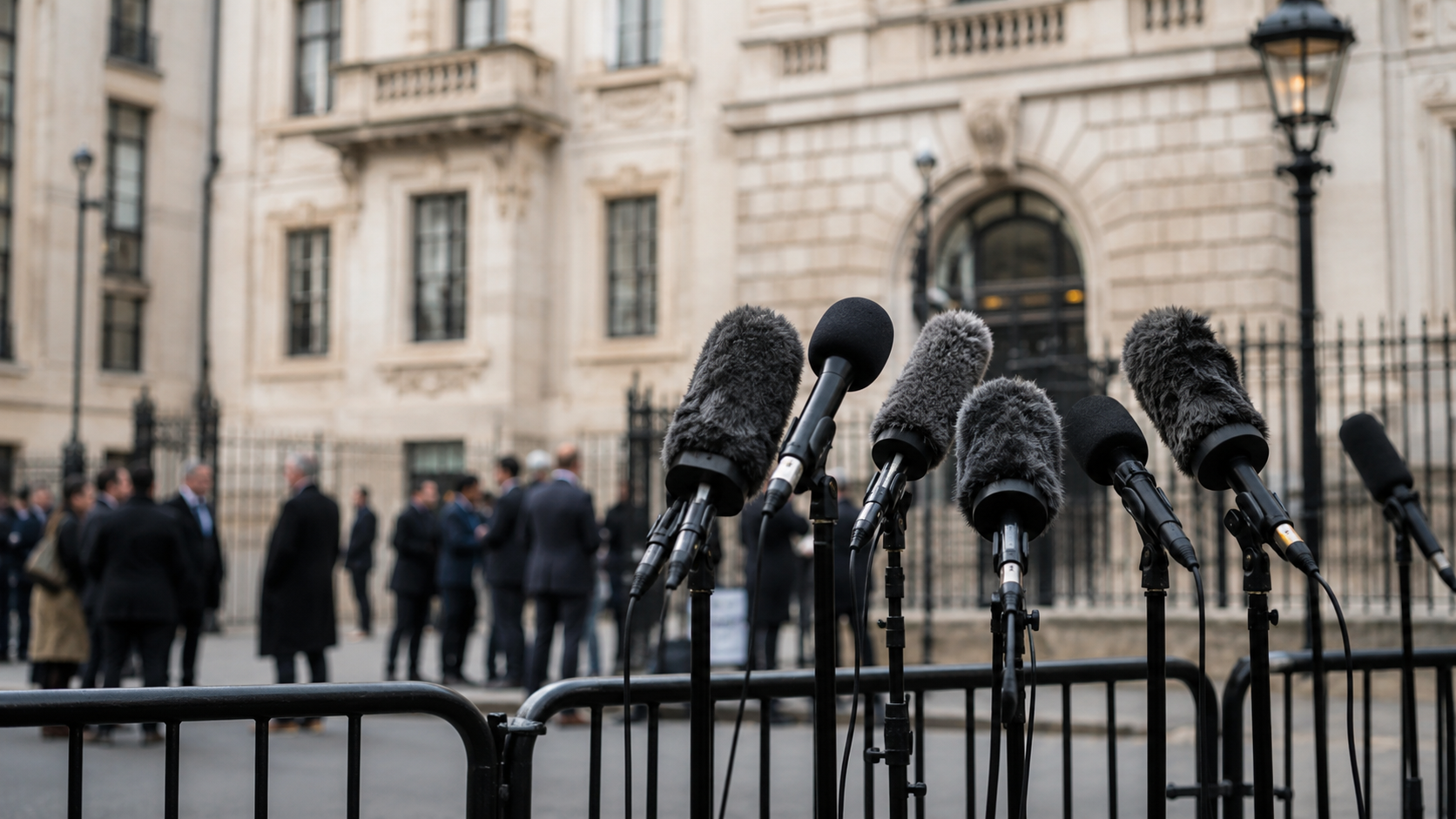
Keir Starmer’s resignation has opened the way for Andy Burnham to become Labour leader and prime minister, beginning another abrupt leadership transition in British politics.
Hansard records Commons exchanges on 22 June referring to Starmer having resigned that morning. Reporting from the Guardian and other outlets says Burnham, newly returned to Westminster as MP for Makerfield, is widely expected to succeed him.
The transition is not complete. Government pages may lag political events, and Starmer can remain in office while Labour completes its leadership process. Editors should therefore avoid saying Burnham is prime minister until the King has formally appointed him.
Burnham’s route to Downing Street will depend on Labour’s leadership rules and whether any rival candidate can meet the nomination threshold. If he is unopposed, the process could be rapid; if contested, the transition could stretch into the summer.
The political consequences are immediate. Labour faces pressure over public services, defence spending, relations with Europe and the rise of Reform UK. Opposition parties are already arguing that a change of prime minister without a general election lacks a fresh mandate.
For Labour, the decision is also ideological. Burnham has long positioned himself as a more regional, interventionist figure than Starmer. His first task will be to show whether that translates into a different governing programme or simply a change of political tone.

Reader comments
Subscribers can join the conversationSign in to join the conversation. Comments are open to everyone with a free account.
Sign in or create accountLoading comments…