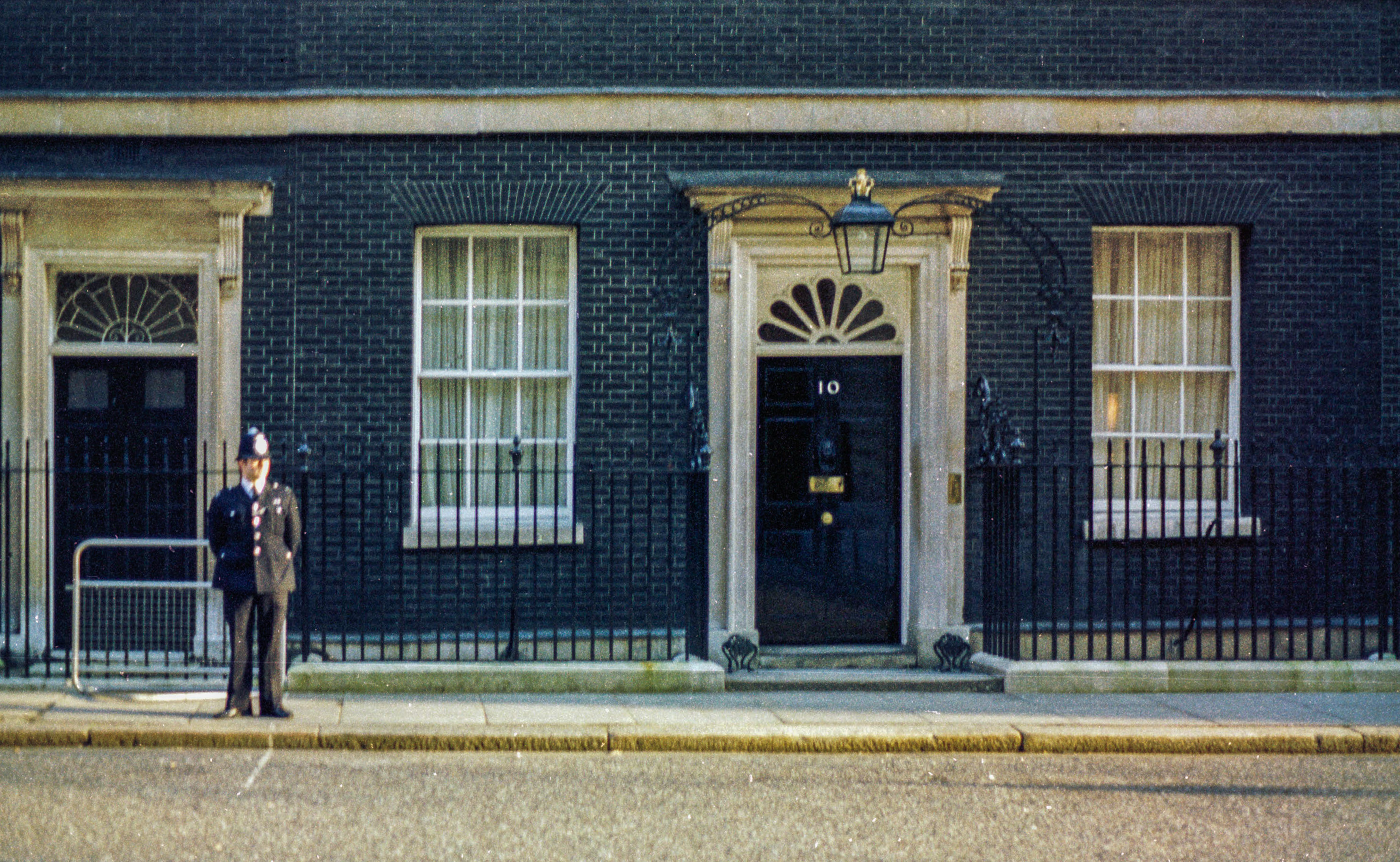
Andy Burnham has opened his premiership with a promise to make household finances the central test of his government, combining an immediate cut to electricity bills with a sweeping reorganisation of the Cabinet inherited from Keir Starmer.
At his first Cabinet meeting on Tuesday, Burnham described his administration as a “cost-of-living government” and told ministers to look constantly for ways to reduce pressure on families. His first announced measure was a reduction in tax on domestic electricity that the government says will save the average household about £45 a year from 1 October.
The policy will be funded by cancelling the previous government’s proposed digital identity programme. The saving is modest against the scale of household bills, but it is intended to signal that Burnham wants visible measures to arrive quickly rather than waiting for a full Budget or long-term economic plan.
The new prime minister has also promised an additional £340 million to begin a national drive to end long-term rough sleeping. The government says the opening investment will provide 1,200 homes and intensive support for at least 3,000 people, with local authorities expected to lead delivery.
Burnham entered Downing Street on Monday after replacing Starmer as Labour leader and becoming Britain’s seventh prime minister since 2016. In his first speech outside Number 10, he called the transition a “circuit breaker” and promised a new political and economic model based on decentralisation, reindustrialisation and stronger public control over essential services.
The Cabinet reshuffle underlined the scale of the break with the Starmer era. John Healey, the former defence secretary, was appointed chancellor after Rachel Reeves left the government. Ed Miliband became foreign secretary, Wes Streeting took the defence brief, Angela Rayner returned as housing secretary and Louise Haigh was appointed first secretary of state and chancellor of the Duchy of Lancaster. Shabana Mahmood remained home secretary.
Healey’s move to the Treasury is particularly significant. He resigned from the defence ministry in June after arguing that military spending needed to rise faster. As chancellor, he must now reconcile those demands with Burnham’s domestic promises, the government’s fiscal rules and the wider pressure created by slow growth and elevated borrowing costs.
Burnham has also moved quickly to reassure allies that the change in leadership will not weaken Britain’s commitments abroad. He spoke to leaders including Donald Trump, Volodymyr Zelenskyy, Emmanuel Macron, Friedrich Merz and NATO Secretary-General Mark Rutte, stressing continued support for Ukraine and the security of shipping through the Strait of Hormuz.
The first test of Burnham’s premiership will be whether a promise of immediate relief can survive the pressure of weak growth, tight public finances and rising defence costs. The new prime minister has created a clear political expectation: that government should make daily life feel more affordable and power should move away from Westminster. Delivering both will be harder than announcing either.

Reader comments
Subscribers can join the conversationSign in to join the conversation. Comments are open to everyone with a free account.
Sign in or create accountLoading comments…