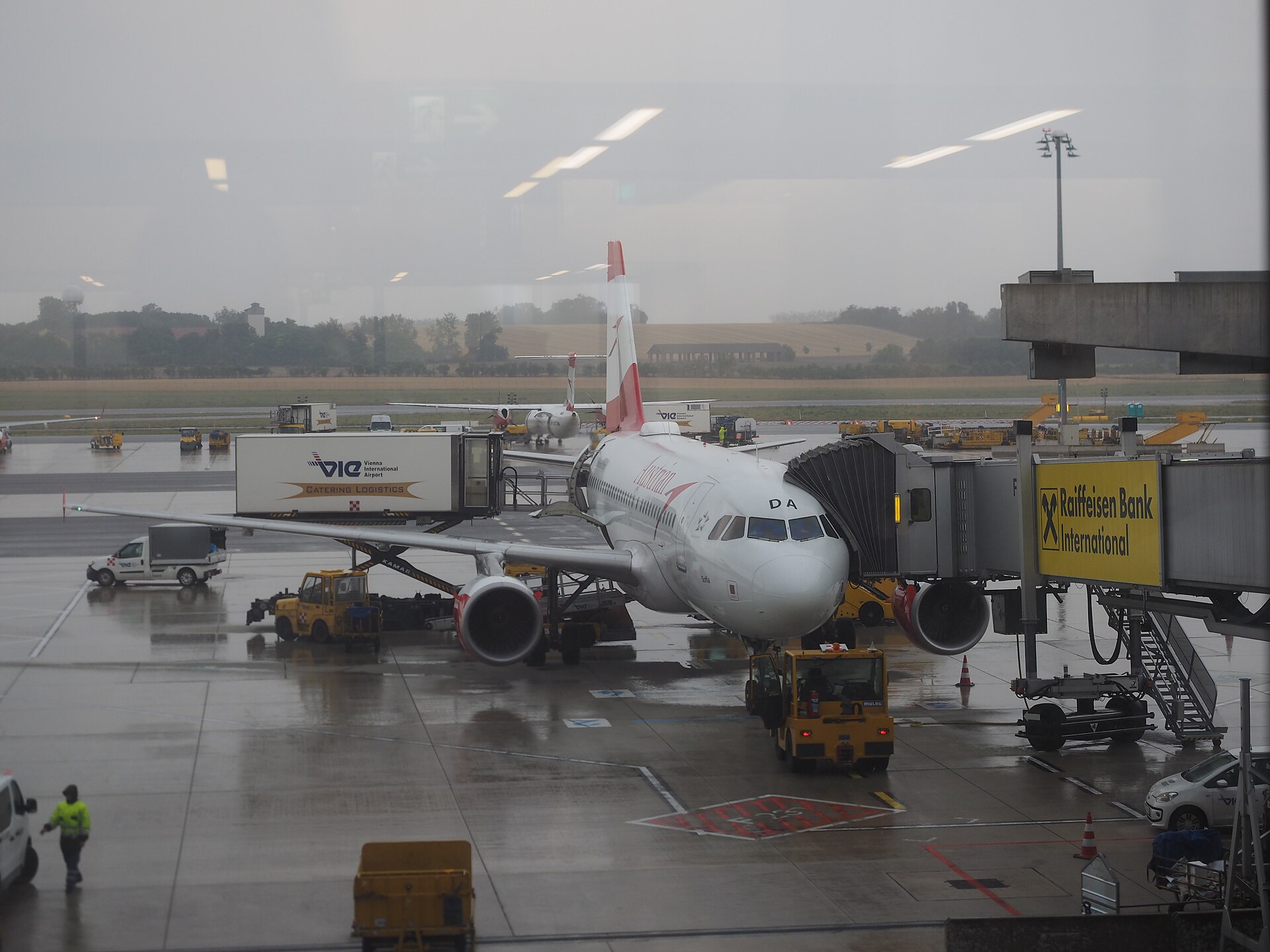
At least 25 passenger flights across Europe have been targeted by bomb threats in recent days, prompting diversions, emergency landings and security searches, according to reports by the Associated Press and Reuters.
Reuters reported on Thursday that no explosives had been found in the incidents it reviewed. The threats have nevertheless forced airlines and authorities to treat each alert as a potential security risk while checks are carried out. A flight from Manchester to Murcia was searched after landing in Spain; other services were diverted or escorted by military aircraft.
The Associated Press reported that an Aer Lingus flight from Dublin to Rome was diverted to a French military air base. The regional prosecutor said no bomb was found. The incidents have affected routes and airports in several countries, though the reported total of flights targeted is not the same as a count of flights cancelled or forced to divert.
What is known — and what remains unclear
Authorities have described some threats as malicious hoaxes, but investigations are ongoing. The reports do not establish that every incident came from the same sender or that the threats were part of a centrally coordinated operation. A message claiming to represent a group is not, by itself, proof of who sent it.
Airlines and police must assess each alert individually. Searches, diversions and temporary operational restrictions are precautionary responses; they do not confirm that explosives were on board. The disruption has renewed attention on the costs and passenger impact of false threats, as well as the need for investigators to identify the source without publishing unverified attribution.
For travellers, the immediate advice remains to follow airline and airport instructions and check directly with carriers for service changes. For investigators, the central questions — who issued the threats, whether any are linked, and how the messages were delivered — remain unresolved in the public reporting available so far.

Reader comments
Subscribers can join the conversationSign in to join the conversation. Comments are open to everyone with a free account.
Sign in or create accountLoading comments…