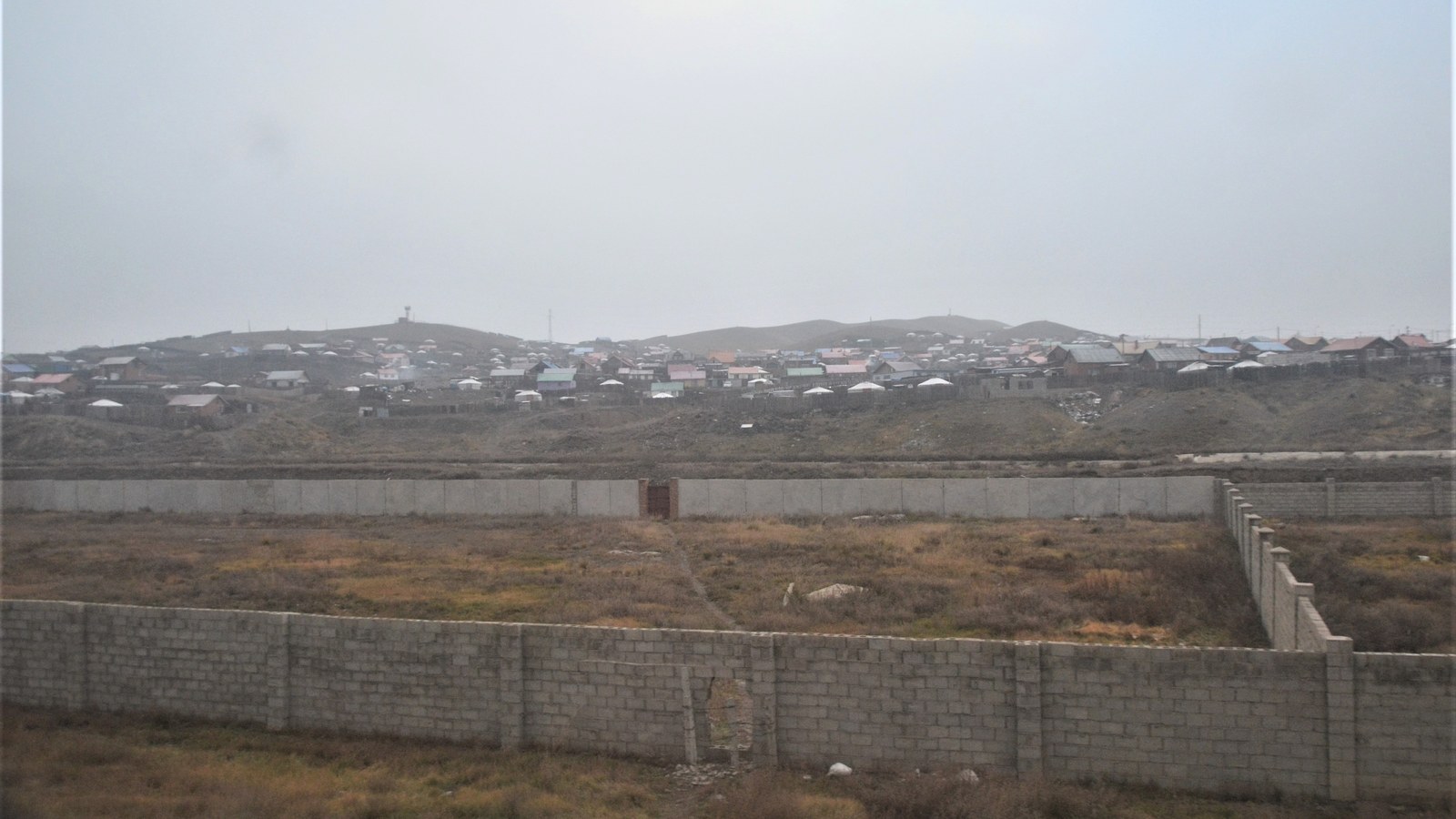
Rangelands have moved to the centre of the agenda at the United Nations Convention to Combat Desertification’s COP17 meeting in Ulaanbaatar, where ministers and partners are discussing restoration alongside pastoralist livelihoods, drought resilience and national development.
The 26 August ministerial dialogue is part of the conference’s Land and People Day. According to the UNCCD’s published programme, it is intended to encourage countries and partners to adopt and scale up sustainable rangeland management and restoration as contributions to land-degradation-neutrality targets, biodiversity plans and climate-adaptation strategies.
The conference’s own framing is notable because it treats rangelands as more than a specialist environmental subject. The UNCCD says these landscapes include drylands, grasslands, shrublands, wetlands and deserts; they support pastoral communities, help regulate water and can store carbon. The programme also says that degradation, land conversion and climate change can intensify poverty, migration and biodiversity loss.
Those are the objectives and concerns on the agenda, not proof that the meeting has produced a binding outcome. The published material describes “expected outcomes”, including encouragement of commitments, support for sustainable value chains and better integration of rangeland stewardship into national planning. Any claim that ministers have adopted a declaration or funded a new initiative should wait for a final communiqué or official decision.
The broader significance is political. Rangeland restoration often sits between ministries responsible for agriculture, water, climate, rural development and security. Bringing it into a high-level UN process may make it easier to connect land restoration with budgets, markets and services — but only if countries translate summit language into domestic plans and finance.
The 26 August programme also includes a high-level event on rangelands and pastoralists and a gender caucus focused on women herders’ role in stewardship and resilience. Together, the sessions reflect an effort to move pastoral communities from the margins of policy discussion towards a more central role in land governance.
The evidence to watch after the event is practical: a published declaration, named commitments, funding mechanisms or national implementation plans. For now, COP17 has elevated the issue and set out what it hopes participants will do. It has not yet supplied a final agreement that can be treated as a completed result.


Reader comments
Subscribers can join the conversationSign in to join the conversation. Comments are open to everyone with a free account.
Sign in or create accountLoading comments…