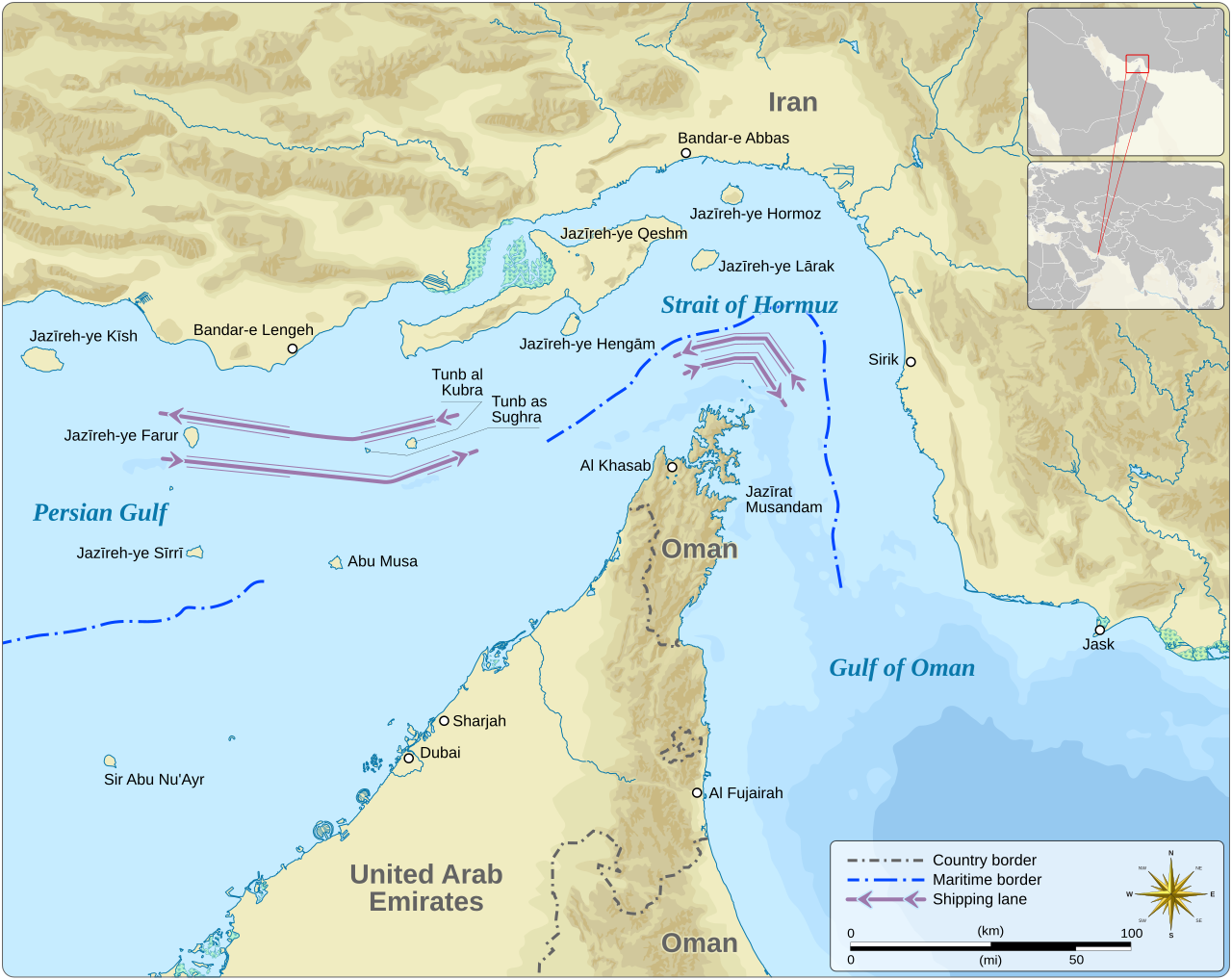
Donald Trump has dropped his proposed 20% cargo fee for ships using the Strait of Hormuz, but the US president has kept alive his threat to blockade shipping linked to Iranian ports.
The reversal came after international pushback over the legality and practicality of charging vessels to pass through one of the world’s most important maritime routes. Instead of the proposed toll, Trump said Gulf states would pursue trade and investment agreements with the United States.
The U-turn removed the toll, but it did not remove the crisis.
The Strait of Hormuz remains at the centre of a dangerous confrontation between Washington and Tehran. The waterway links the Gulf to open waters and carries a large share of the world’s oil and gas shipments. Any disruption can quickly affect energy prices, shipping insurance, trade flows and regional security.
Trump’s original proposal raised immediate questions. It was unclear how a 20% cargo fee would be calculated, collected or enforced. It was also unclear how the United States could charge vessels using an international waterway without triggering legal and diplomatic challenges.
Dropping the toll removes one source of confusion, but the blockade threat may prove more consequential. A blockade aimed at Iranian ports would require monitoring, interception and enforcement. Each of those steps carries the risk of confrontation at sea.
Iran rejects US claims of authority over the strait and has repeatedly portrayed American involvement as interference in a regional waterway. Washington argues that freedom of navigation must be protected and that Iran cannot be allowed to threaten global shipping.
That clash of narratives is dangerous because both sides are treating the strait as both a bargaining chip and a battlefield.
For Gulf states, the immediate question is whether the removal of the toll proposal reduces pressure or simply replaces it with a different kind of deal-making. For shipping companies, the practical concern is risk: whether vessels can move safely, whether routes need to change, and whether insurers raise premiums.
For energy markets, the uncertainty is already enough to matter.
The Hormuz crisis shows how quickly a policy announcement can become a market event, a legal controversy and a military signal at the same time.
The toll may be gone, but the confrontation remains.
Reader comments
Subscribers can join the conversationSign in to join the conversation. Comments are open to everyone with a free account.
Sign in or create accountLoading comments…