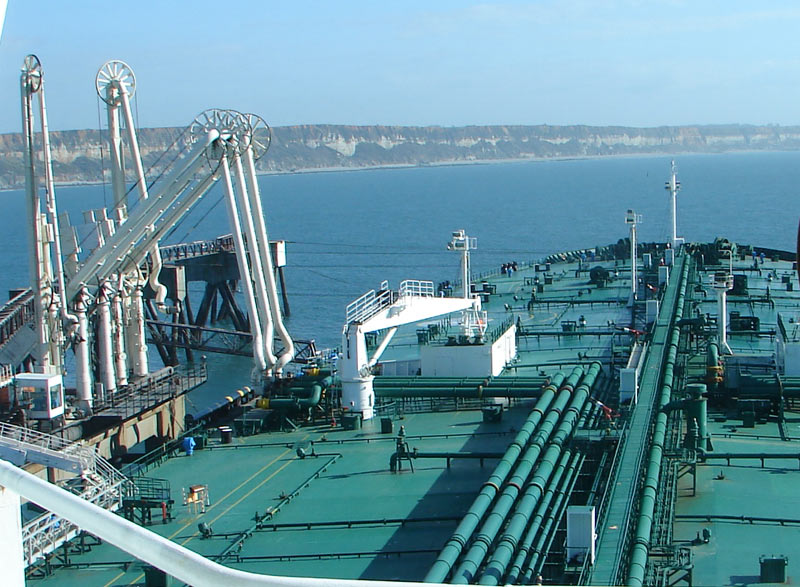
Oil prices jumped as renewed tension around the Strait of Hormuz alarmed energy markets and revived fears of a broader inflation shock.
The latest rise followed a sharp escalation in the US-Iran confrontation, with traders watching for signs that commercial shipping through the Gulf could face prolonged disruption. Brent crude moved sharply higher as investors reassessed the risk of instability around one of the world’s most important energy routes.
The Strait of Hormuz is central because it is not just another waterway. It is a global chokepoint for oil and gas. When confidence in that route weakens, the impact can spread quickly through crude prices, gas markets, shipping insurance, tanker scheduling and inflation expectations.
Markets are not only pricing barrels of oil. They are pricing the possibility that one of the world’s key energy routes has become unstable again.
The danger for consumers and governments is that energy shocks do not stay neatly inside commodity markets. Higher oil and gas prices can feed into transport, manufacturing, food distribution and household bills. They can also complicate the work of central banks trying to control inflation.
The market reaction also reached bond markets, where investors weighed whether higher energy costs could keep inflation elevated for longer. That matters for governments already dealing with borrowing pressures and public spending demands.
The tension comes after a period in which energy traders had become more confident that disruption could be contained. The latest events have shaken that confidence. Even if vessels continue to move, the perception of risk can be enough to push costs higher.
For shipping companies, the issue is practical as well as financial. Crews, cargo owners and insurers need to assess whether routes remain safe, whether naval protection is sufficient, and whether delays are likely.
For oil-importing countries, the concern is vulnerability. A disruption in the Gulf can raise costs far from the Middle East, affecting households and industries that have no direct role in the conflict.
Energy markets are used to political risk. But Hormuz is different because of its scale.
A contained crisis may produce temporary volatility. A sustained disruption could become a global economic problem.
Reader comments
Subscribers can join the conversationSign in to join the conversation. Comments are open to everyone with a free account.
Sign in or create accountLoading comments…