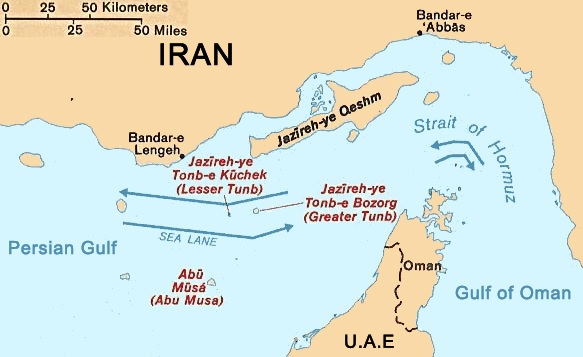
The United States is pressing Iran to publicly guarantee that the Strait of Hormuz remains open to commercial shipping after renewed attacks on vessels threatened to unravel a fragile ceasefire between Washington and Tehran.
The demand reflects the strategic importance of the waterway, which sits between Iran, Oman and the United Arab Emirates and acts as one of the world’s most important energy chokepoints. Any disruption in the strait can quickly affect oil markets, shipping costs and diplomatic calculations far beyond the Gulf.
Recent attacks on commercial vessels have pushed the crisis back toward confrontation. US officials have blamed Iran for strikes on ships in the Strait of Hormuz, while Washington has responded with fresh military action. Tehran has accused the United States of violating ceasefire terms and has continued to frame the dispute as part of a wider confrontation over sanctions, security and regional power.
The result is a ceasefire that appears increasingly fragile. What was presented only weeks ago as a possible route away from open conflict is now being tested by attacks at sea, retaliatory strikes and competing public narratives.
For Washington, freedom of navigation through the Strait of Hormuz is a red line. The United States sees the waterway as essential to global energy security and international trade. If Iran is perceived to be unable or unwilling to prevent attacks, pressure will grow for stronger military protection of shipping.
For Tehran, the strait remains one of its most powerful strategic levers. Iran’s geography gives it influence over the northern approaches to the waterway, while the political symbolism of Hormuz allows Iranian leaders to signal strength during moments of confrontation with the United States.
The danger is that each side may believe limited escalation can strengthen its negotiating position. That is how maritime incidents can become wider crises.
The Strait of Hormuz is not only a regional flashpoint; it is a global economic pressure point. Energy importers, shipping companies and insurers all have an interest in stability, but they cannot control the military calculations of Washington or Tehran.
The immediate question is whether Iran offers the public guarantee the United States is demanding.
The larger question is whether any guarantee can hold if both sides continue to treat the strait as both a bargaining chip and a battlefield.
Reader comments
Subscribers can join the conversationSign in to join the conversation. Comments are open to everyone with a free account.
Sign in or create accountLoading comments…