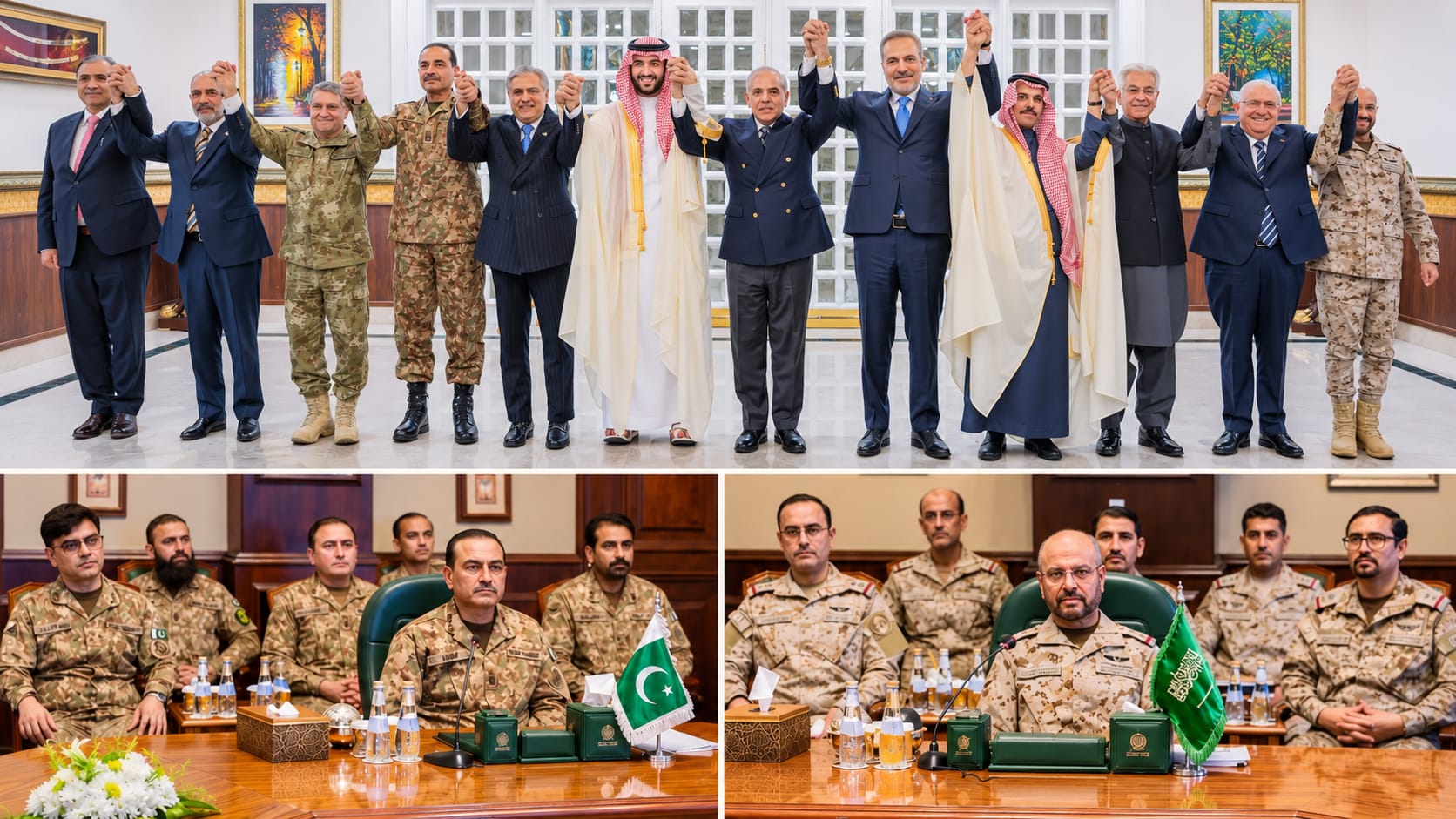
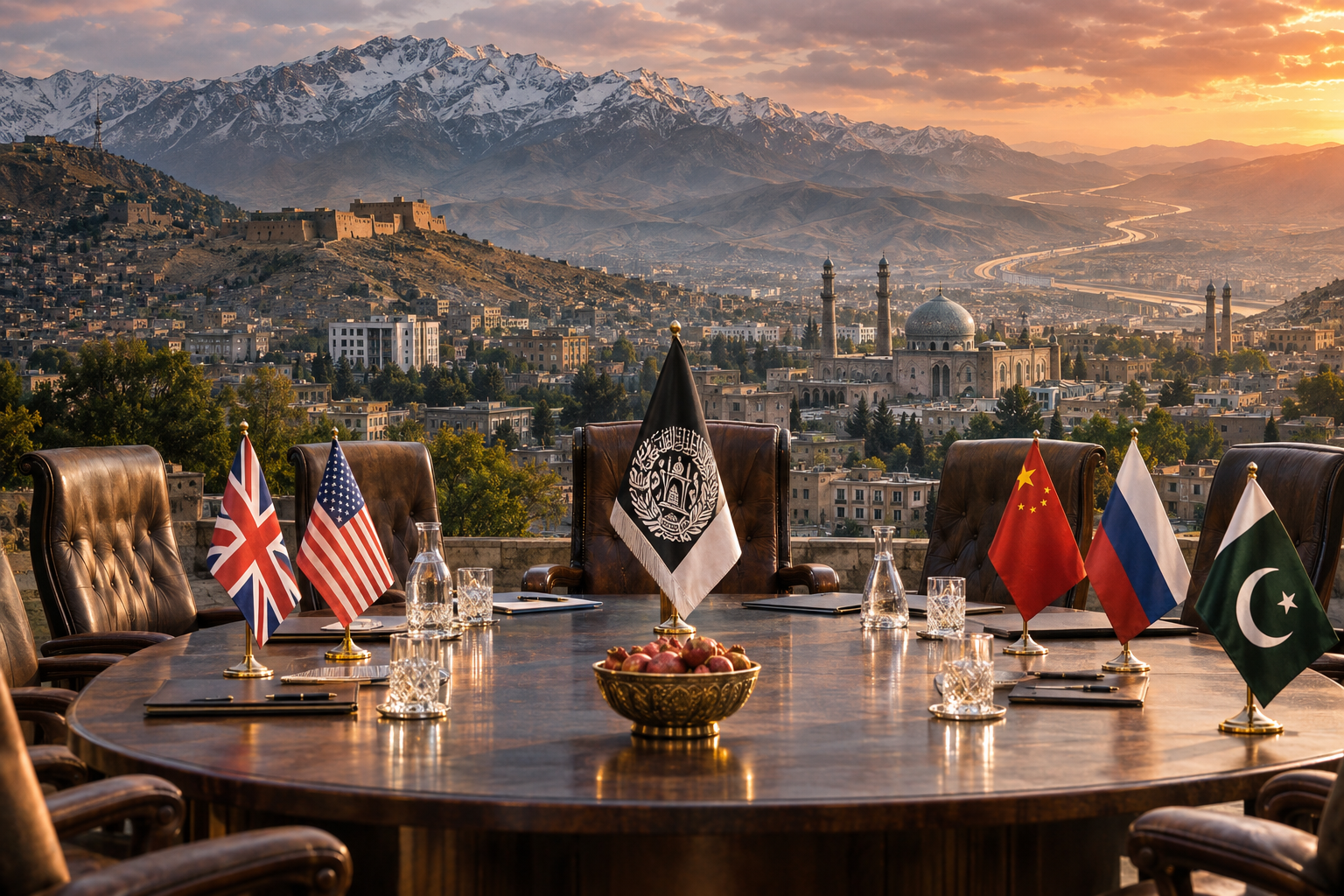
A defence pact is easy to celebrate when nobody asks where the soldiers will fight, who will command them and who will pay. The Makkah agreement between Pakistan, Saudi Arabia and Türkiye becomes considerably more complicated when those questions enter the room.
The central issue raised in my recent vlog was whether Islamabad and Riyadh understood Pakistan’s commitments in the same way. Defending Saudi territory and joining a military campaign inside Yemen carry very different risks. Wrapping both possibilities in the language of brotherhood does nothing to resolve that difference.
My sources have described serious difficulties over the pact’s practical implementation. The account I discussed also raised the possibility of Pakistan reducing its commitments or withdrawing. Those remain attributed claims and forecasts. The public record available on 28 November does not establish that Pakistan has withdrawn or that the agreement has formally collapsed.
Indeed, the joint statement issued after the Islamabad meeting on 27 November reaffirmed the three countries’ commitment to collective defence. It condemned Houthi attacks on Saudi civilians and infrastructure, supported diplomatic de-escalation and reported progress towards making the alliance’s Saudi-based secretariat operational.
That statement matters. Any assessment written before the meeting must now reckon with it. But reaffirming an agreement does not answer every question about how it will work.
The distinction over Yemen remains central. In the account examined in my vlog, economic analyst Abdul Karim Al-Awadi described Pakistan’s position as a commitment to defend Saudi soil without joining the war inside Yemen. That interpretation should be tested against published operational decisions, rather than treated as an independently authenticated transcript of a military briefing.
There is a clear strategic reason for Pakistan to draw such a boundary. Assistance protecting Saudi territory could involve defensive capabilities and training. Operations inside Yemen would raise additional questions about targets, duration, retaliation and the point at which a limited commitment becomes an open-ended war.
Pakistan also has to consider Iran. It shares a long land border with its neighbour and cannot conduct regional policy as though geography were negotiable. Military leaders can return home after a summit in Riyadh; Pakistan must continue living beside Iran.
That does not give Tehran a veto over Pakistani policy. It does require Islamabad to explain how any overseas commitment serves Pakistan’s own security and how escalation would be contained. A policy advertised as defensive needs a clear account of its limits.
The financial argument requires equal scrutiny. Saudi support can help Pakistan meet external financing needs, but a deposit is not a gift, a rollover is not debt forgiveness, and neither automatically constitutes payment for a military commitment.
Pakistan’s Ministry of Economic Affairs annual report for July–June 2025–26 records $204 million in interest payments under KSA deposits. Its debt figures also record $8 billion in Saudi time deposits. These are financial liabilities with servicing obligations.
The Express Tribune reported that Saudi deposits carried interest rates of 4–4.5 per cent. These figures describe the wider financing relationship; they do not establish a defence-pact payment arrangement.
The chronology matters, too. In April, before the August Makkah agreement, Pakistan’s finance minister announced an additional $3 billion Saudi deposit commitment and an extension of the existing $5 billion deposit. It would therefore be misleading to present the entire deposit stock as a reward secured by signing the pact.
In the analysis discussed in my vlog, Al-Awadi estimated that a broader military commitment could require a package worth $40–50 billion, including $20 billion upfront and relief concerning $8 billion in deposits. These are his estimates, not an authenticated Pakistani demand, a Saudi offer or an agreed financial settlement.
The estimate nevertheless raises a legitimate policy question: what would a substantial deployment cost, and who would bear that cost? Personnel, equipment, transport, maintenance and prolonged readiness require funding. Any financial arrangement should distinguish reimbursement, grants, loans and commercial defence contracts.
Türkiye’s participation introduces another set of national interests. A shared declaration does not establish that Ankara, Islamabad and Riyadh will accept identical risks or interpret every contingency alike. The November statement promises further cooperation in defence industries, technology and training. It does not publish a complete operational plan.
Nor should the alliance’s institutional progress be dismissed simply because it complicates a prediction of failure. The three governments have publicly reported progress. The proper test is whether those institutions can translate broad commitments into workable decisions when their members’ interests diverge.
For Pakistan, the unanswered questions belong before Parliament and the public. What assistance has been promised? Who authorises deployments and changes in mission? What limits apply? What funding has been agreed, and what happens if members disagree?
Asim Munir’s prominence in defence diplomacy makes scrutiny of his role necessary. Civilian ministers share responsibility for explaining the commitments made in Pakistan’s name. Secrecy about operational details cannot justify silence about a policy’s objectives, costs and boundaries.
The strongest criticism of the Makkah pact does not depend on declaring it dead before the evidence supports that conclusion. It rests on the gap between expansive promises and the explanation offered to the people expected to finance and fulfil them.
Pakistan’s soldiers are citizens, not bargaining chips. If GHQ promised Riyadh more than the defence of Saudi territory, the Pakistani public deserves to know what was promised, by whose authority, and at what price.
Reader comments
Subscribers can join the conversationSign in to join the conversation. Comments are open to everyone with a free account.
Sign in or create accountLoading comments…