What’s most important at this point is to acknowledge the other’s interests, agree to disagree on the Taliban, and then chart the future course of their relations within the limits afforded by the aforesaid.
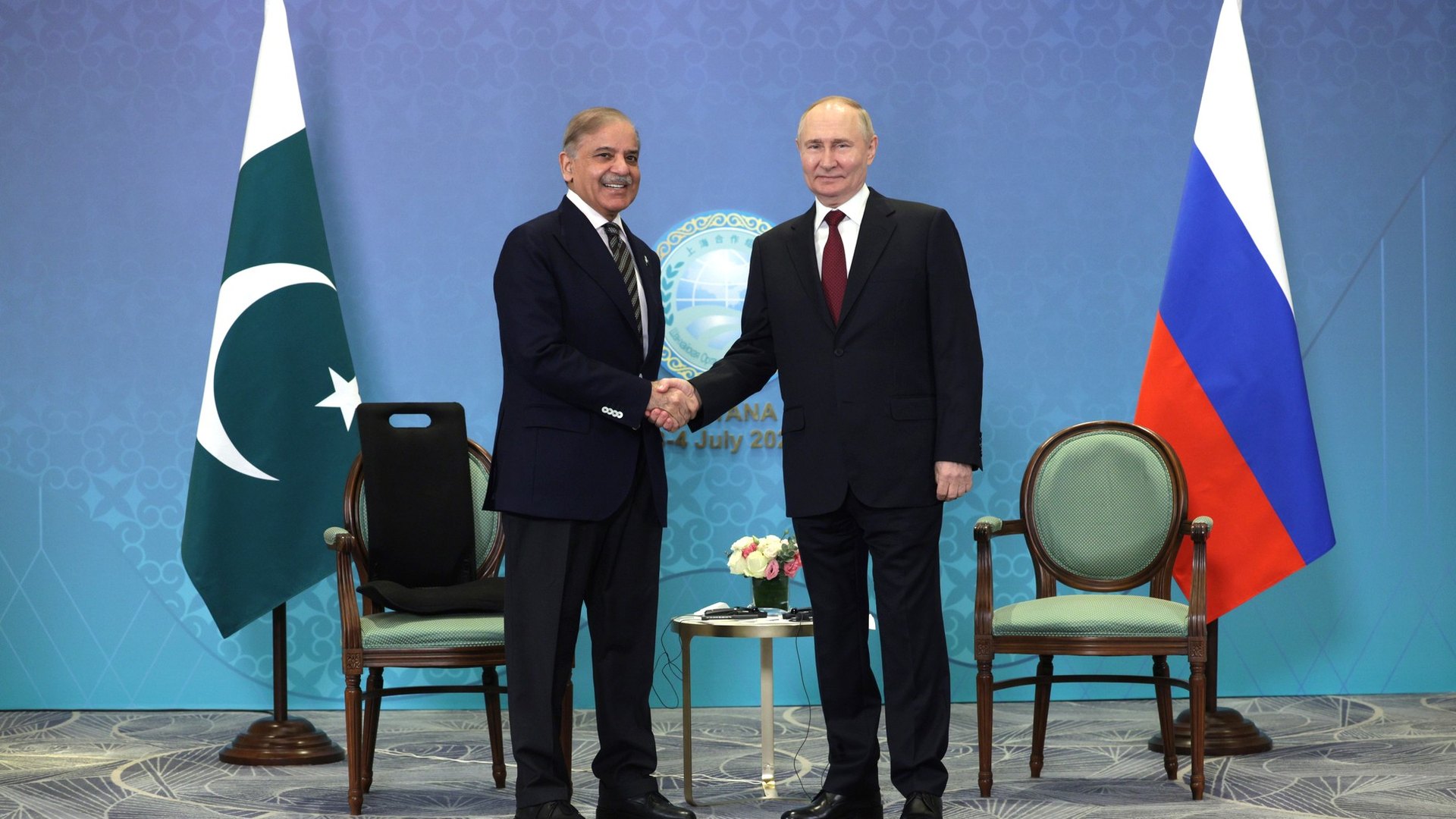
Pakistani Senator Mushahid Hussain Sayed is widely regarded across the world as his country’s most outspoken supporter of multipolarity. He’s back in the news after being invited to chair the opening plenary session and the concluding session of Russia’s largest conference on the Global South that was held in Moscow in late November. Mushahid declared during his keynote address that Prime Minister Shehbaz Sharif’s reportedly upcoming trip to Moscow is an “excellent opportunity to reset” bilateral ties.
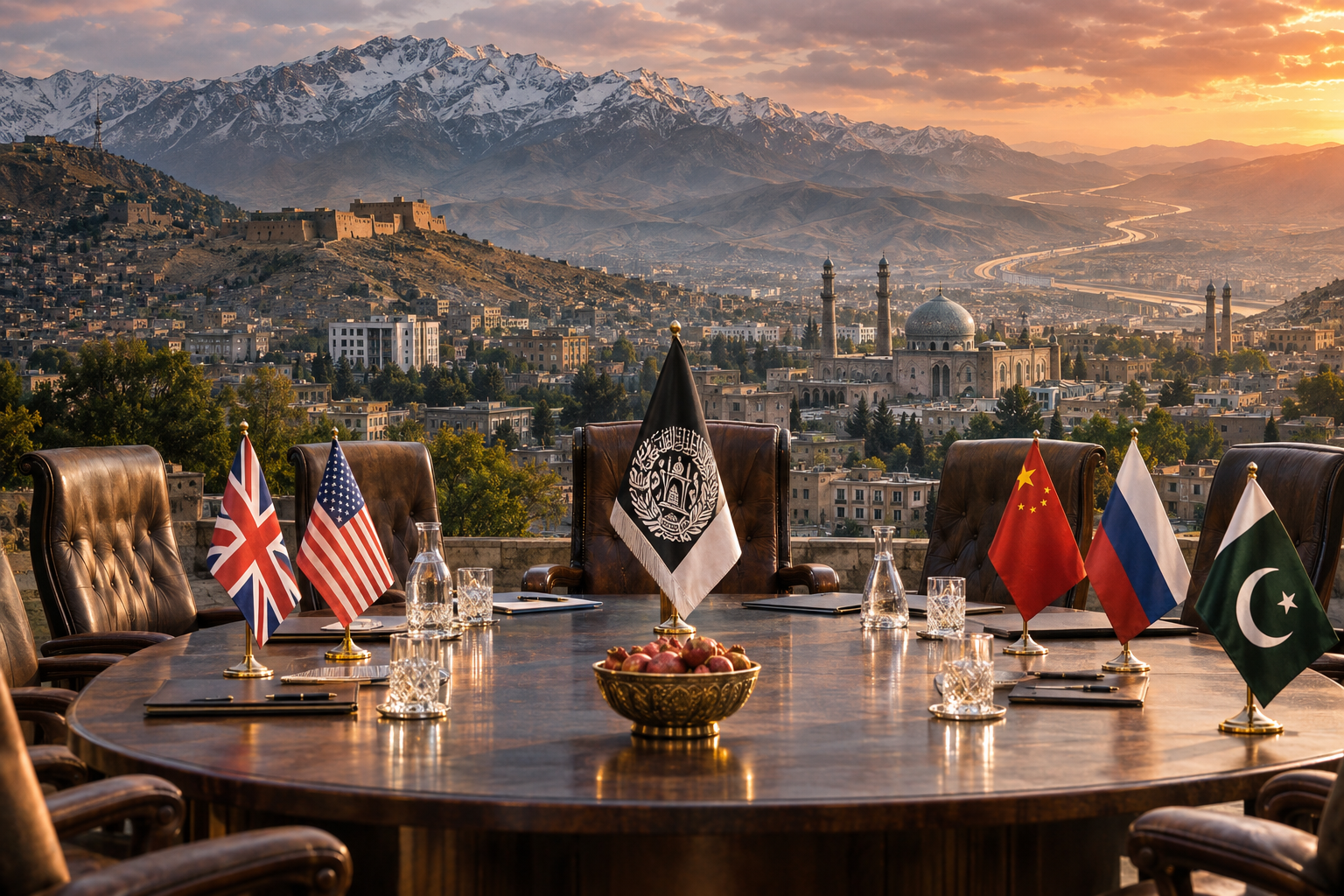
With all due respect to him, a recalibration of their relations is most likely, not a reset. For background, they’re embroiled in a dispute over Taliban-led Afghanistan, which Russia considers to be a bulwark against ISIS-K’s expansion into Central Asia and is why it’s seriously considering arming the group while Pakistan believes that it’s in bed with terrorists and that’s one of the reasons why they’re at war. Their polar opposite interests vis-à-vis the Taliban account for why their dispute is unlikely to be resolved.
Be that as it may, their ties don’t have to suffer as a result, nor is another proxy war between them in Afghanistan predetermined. It all depends on what Pakistan does next regarding whether it arms Ukraine on the pretext of “revenge” for Russia seriously considering arming the Taliban (which a fake news report claimed that it’s already indirectly doing) and/or ramps up its reportedly ongoing proxy war against the group at the cost of instability spilling into Central Asia. Both policies would harm their ties.
Even in the event that Pakistan does one or both, people-to-people ties, bilateral trade, and cooperation in international fora on areas of shared interest could still remain intact so long as Pakistan has the will. Russia will never eschew cooperation with Pakistan within reasonable limits, that is, anything that isn’t aimed against any third parties and especially doesn’t threaten any of its officially designated special and privileged Indian strategic partner’s interests. State-of-the-art arms sales are therefore ruled out.
In any case, the future of their relations depends entirely on Pakistan, which should take the opportunity afforded by Sharif’s reportedly upcoming trip to Moscow to candidly discuss their direction and scope. This can also be done beforehand by their diplomats and experts, but it seems as though both sides are reluctant to directly address their dispute, perhaps fearing that the other might gaslight by denying its existence or portraying their counterpart’s interests as illogical at the cost of then harming bilateral trust.
Candid discussions about their objectively existing dispute over Taliban-led Afghanistan are therefore the prerequisite for determining the future of their ties, which would then require a recalibration due to their arguably unresolvable disagreements, not a reset. After all, each’s interests in the matter are based on their respective assessments of the Taliban as either a reliable anti-terrorist partner in Russia’s case or an ally of terrorist in Pakistan’s, and neither is likely to perceive it differently anytime soon.
With a view towards facilitating the candid discussions that I believe to be required for recalibrating their relations in this politically tense context, I’m sharing my ongoing analytical series on the subject at the end of this piece so that officials and experts on both sides can be better aware of the other’s position. What’s most important at this point is to acknowledge the other’s interests, agree to disagree on the Taliban, and then chart the future course of their relations within the limits afforded by the aforesaid.
- 3 October: “Is India Financing The Taliban’s Reported Purchase Of Belarusian Drones?”
- 5 October: “Russia & Pakistan Have Polar Opposite Views On Taliban-Led Afghanistan”
- 6 October: “What’s The Future Of Russian-Afghan Military Cooperation?”
- 6 October: “Is Pakistan Waging An Infowar On Russia Over Its Ties With The Taliban?”
- 6 October: “How Might Russia’s Threat Perception Of Pakistan Change If It Arms Ukraine?”
- 7 October: “Clarifying Seven Important Points About Russia’s South Asian Policy”
- 8 October: “Russia Hinted At What An Afghan-Pakistani De-Escalation Agreement Could Look Like”
- 9 October: “The Taliban Isn’t Entirely Wrong About Pakistan”
- 10 October: “Fact Check: Pakistan Didn’t Dissolve The USSR”
- 11 October: “Korybko To Imtiaz Gul: Here’s What Russia Is Really Up To In Afghanistan”
- 12 October: “Korybko To Kamran Yousaf: Pakistan Should Address Russia’s Suspicions About Its Ties With ISIS-K”
- 14 October: “The Deputy Secretary Of Russia’s Security Council Elaborated On Ties With Afghanistan”
- 15 October: “The Latest Sequence In Russian-Pakistani Relations Is Worth Paying Attention To”
- 15 October: “What’s Russia’s Foreign Spy Chief Doing In Kabul?”
- 15 October: “Five Reasons Why Russia Should Arm The Taliban”
- 16 October: “The Roadmap For Russian-Pakistani Relations Amid Their Dispute Over Afghanistan”
- 16 October: “Pakistan’s Hypothetical Arming Of Ukraine Could Backfire”
- 17 October: “Fact Check: Lavrov Didn’t ‘Reject’ The Taliban’s Claim That Pakistan Backs ISIS-K”
- 17 October: “What’s Russia’s Game Plan In Afghanistan?”
- 19 October: “Korybko To Kamran Yousaf: Russia’s Regional Moves Have Nothing To Do With The Islamic NATO”
- 19 October: “Korybko To Dawn: Pakistan Is The One In Denial About The Regional Terrorist Reality”
- 20 October 2026: “Korybko To Asif Durrani: The Russian-Pakistani Dispute Over Afghanistan Likely Won’t Be Resolved”
- 20 October 2026: “Korybko To Bordachev: The Threat Posed By ISIS-K Will Keep Russia & Central Asia Close”
- 20 October 2026: “Russia Is Beginning To Conceptualize Central Asia & South Asia As The CASA Macroregion”
- 23 October 2026: “Pakistan’s Latest Proxy War On Afghanistan Risks Destabilizing Central Asia”
- 23 October 2026: “Pakistan Would Do Well To Avoid A Second Proxy War With Russia In Afghanistan”
- 25 October 2026: “The Pakistani Premier’s Planned Trip To Russia Comes At A Pivotal Moment In Bilateral Ties”
- 29 October 2026: “Assessing The Veracity Of Pakistani Media’s Claim That Afghanistan Is Plotting An ISIS-K Psy-Op”
- 2 November 2026: “Korybko To Amir Jahangir: Russia Won’t Place Pakistan’s Interests In Afghanistan Above Its Own”
- 4 November 2026: “Pakistan’s Implied Position Towards Russian-Afghan Relations Is Illogical”
- 12 November 2026: “Is Pakistan Assembling Death Squads To Terrorize The Baloch & Invade Afghanistan?”
- 12 November 2026: “Korybko To The South Asia Times: You’re Batshit Crazy To Imply That I’m A Foreign Agent!”
- 13 November 2026: “The Russian Deputy Prime Minister’s Trip To Afghanistan Was A Success”
- 14 November 2026: “A Top Russian Expert On Pakistan Shared Some Candid Views About Their Dispute Over Afghanistan”
Please subscribe to my Substack: https://korybko.substack.com/
Reader comments
Subscribers can join the conversationSign in to join the conversation. Comments are open to everyone with a free account.
Sign in or create accountLoading comments…