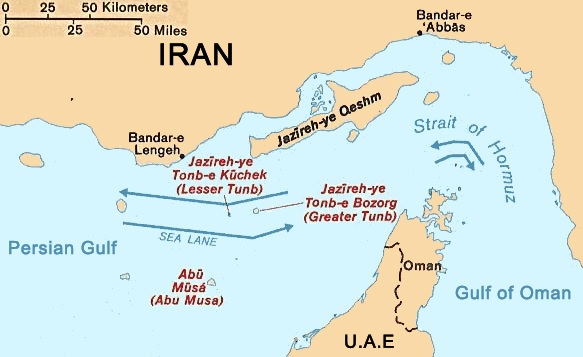
The United States has carried out a thirteenth consecutive night of strikes on Iran, extending a rapidly widening conflict that is now threatening two of the world’s most important shipping corridors.
US Central Command said the latest operation targeted Iranian military capabilities linked to attacks on commercial vessels and civilian mariners. Explosions were reported around Bandar Abbas and Qeshm Island, both of which sit near the Strait of Hormuz and are central to Iran’s naval and commercial infrastructure.
Iranian state media reported casualties in several locations. Those figures could not be independently verified and were continuing to change as information emerged from affected areas.
The strikes came as the Iran-backed Houthi movement in Yemen claimed attacks on two Saudi-linked tankers in the Red Sea. No casualties were immediately reported, but the incidents raised fresh concern that the crisis around the Strait of Hormuz could spread to the Bab el-Mandeb route connecting the Red Sea to the Gulf of Aden.
Together, the two waterways carry a significant share of global energy supplies and container traffic. Disruption at either chokepoint can raise insurance costs, delay cargo and push energy prices higher. Pressure on both at the same time creates a far more serious risk for global trade.
Oil and shipping costs rise
Brent crude moved above $100 a barrel as markets assessed the possibility of longer-lasting disruption. Saudi Arabia has already relied more heavily on its western export routes as traffic through the Persian Gulf has become more dangerous, making threats in the Red Sea especially significant.
The US military has said its campaign is intended to reduce Iran’s ability to threaten shipping. Tehran, however, has framed its actions as resistance to American military pressure and has warned that attacks on its infrastructure will be answered.
The confrontation has expanded beyond conventional military targets. Energy facilities, ports, surveillance systems and desalination infrastructure have all become part of the strategic contest, increasing the risk to civilians and to neighbouring states that depend on regional trade and water networks.
Diplomacy struggles to keep pace
Iraq’s prime minister travelled to Tehran to press for dialogue, reflecting concern among regional governments that the conflict could pull more countries into direct confrontation. Iraq maintains close relations with both Washington and Tehran and has repeatedly sought to prevent its territory from becoming part of a wider war.
So far, military escalation has outpaced diplomacy. Each new round of strikes has been accompanied by harder public rhetoric, while the practical questions surrounding shipping access, port security and the future management of the Strait of Hormuz remain unresolved.
The latest US operation ended early on Friday local time, according to the military. But with the Houthis threatening another trade route and Iran and the United States continuing to exchange attacks, the region appears no closer to a durable ceasefire.
The immediate danger is no longer confined to the damage caused by individual strikes. It is the possibility that prolonged conflict could normalise disruption across the arteries that connect Asian energy producers, European markets and the wider global economy.


Reader comments
Subscribers can join the conversationSign in to join the conversation. Comments are open to everyone with a free account.
Sign in or create accountLoading comments…