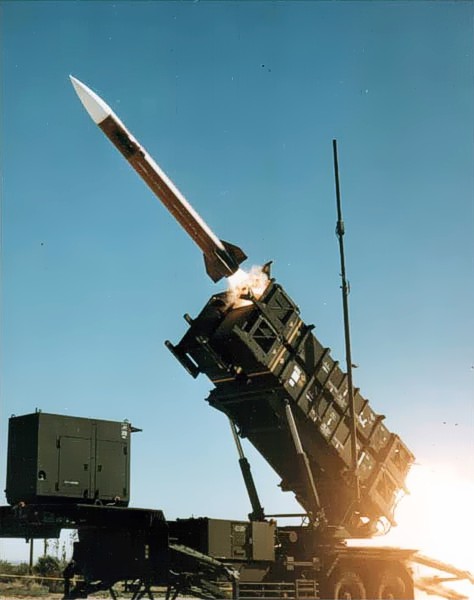
Ukraine says it intercepted five Russian ballistic missiles in an overnight attack, a significant defensive achievement that also underlined the country’s urgent need for more advanced air-defence systems.
Ballistic missiles are among the hardest threats for Ukraine to stop. They travel at high speed, give defenders little time to react, and often require sophisticated interceptors such as Patriot missiles. Successfully bringing down five of them is therefore important both militarily and psychologically.
But the intercepts were a success story, and also a reminder of scarcity.
Ukraine’s air defences remain under intense pressure. Russian attacks increasingly combine missiles and drones in large waves designed to overwhelm interceptors, exhaust supplies and force Kyiv to make difficult choices about what to protect. Cities, ports, factories, energy infrastructure and military sites all compete for coverage.
Some Russian weapons still got through, causing damage in Kyiv. That is the reality of Ukraine’s air-defence war: even successful interception rates can leave civilians and infrastructure exposed when the volume of incoming fire is high.
The latest attack came as Ukraine and European partners push to develop a shared ballistic-missile defence system. The proposed coalition would use Ukraine’s battlefield experience and European industrial capacity to build a wider shield against Russian missile threats.
That effort reflects a wider shift in European security thinking. For years, many European states relied on limited air-defence stocks and assumed that large-scale missile warfare was unlikely on the continent. Russia’s war against Ukraine has shattered that assumption.
The challenge is production. Missile-defence systems require radars, launchers, interceptors, command networks, training and maintenance. None of that can be produced instantly. Even when allies agree politically, factories need orders, supply chains and time.
Ukraine does not have the luxury of time. Winter will again bring fears that Russia will intensify attacks on energy infrastructure, trying to break civilian resilience by targeting heat, power and water.
That is why the latest intercepts matter. They show what advanced systems can do. They also show why Ukraine needs more of them.
Europe’s proposed missile shield is not only about Ukraine’s survival. It is about whether the continent can adapt to a security environment in which ballistic missiles have returned as a central threat.


Reader comments
Subscribers can join the conversationSign in to join the conversation. Comments are open to everyone with a free account.
Sign in or create accountLoading comments…