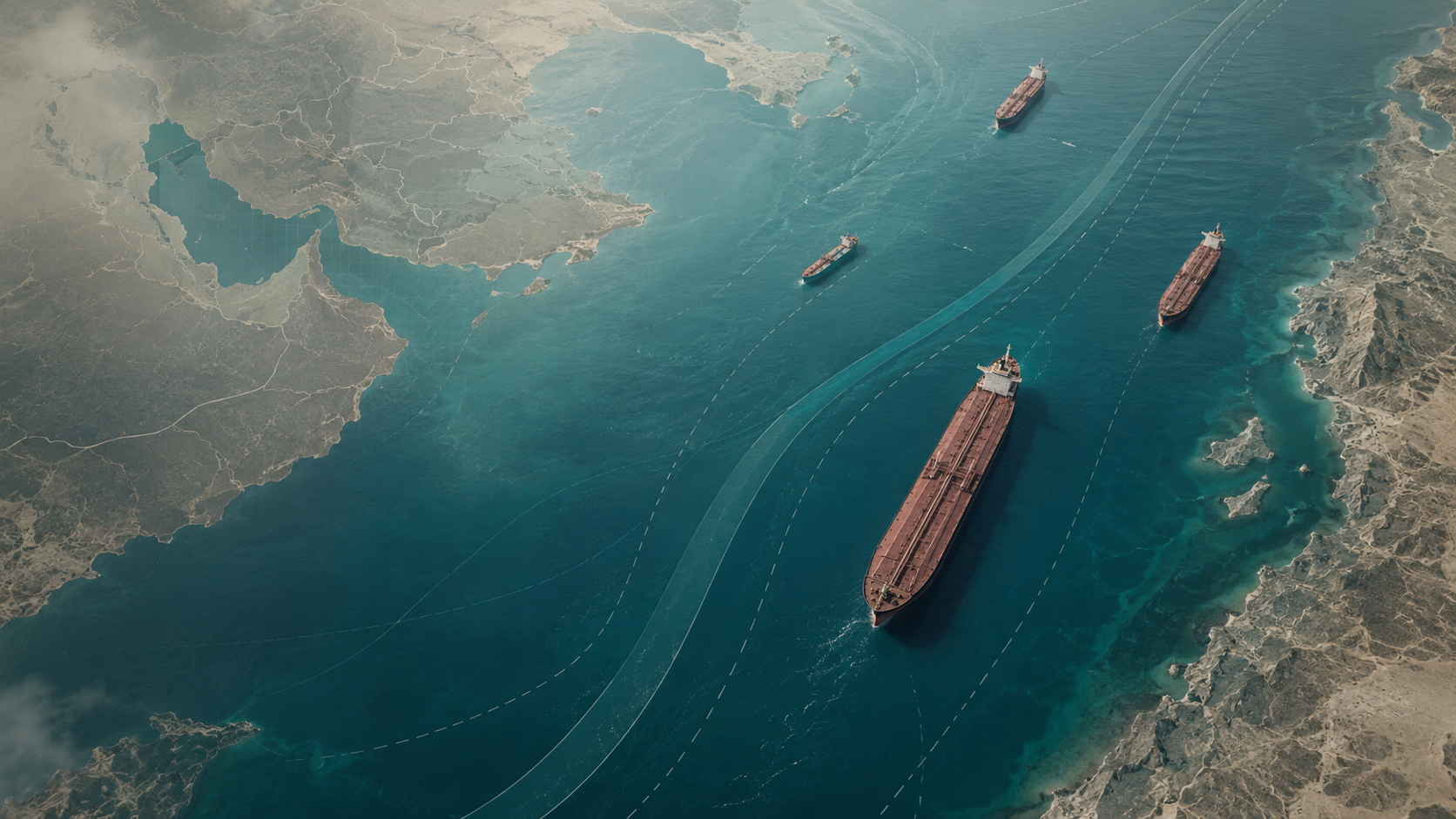
Iran has warned oil tankers moving through the Strait of Hormuz to use routes approved by its military command or risk a forceful response, escalating uncertainty around a waterway central to global energy supply.
The warning was attributed by the Associated Press to Iran's Khatam al-Anbiya military command and aired on Iranian state television. It follows weeks of diplomacy over shipping access after the war with the United States and Israel, and comes as negotiators continue trying to turn an interim arrangement into a more durable settlement.
The Strait of Hormuz is a narrow passage between Iran and Oman through which a significant share of the world's seaborne oil moves. Even limited disruption can affect insurance costs, tanker routing and energy prices. The latest warning is therefore not only a military signal but a market signal.
What remains unclear is how Iran would enforce its demand, whether commercial vessels have changed course in response, and whether insurers or naval forces have altered their guidance. Those details remain fluid because shipping behaviour can change quickly.
For now, the verified core of the story is narrower but still important: Iran has publicly asserted control over tanker routing in a contested international passage, and that assertion is now part of the diplomatic bargaining around the post-war order in the Gulf.


Reader comments
Subscribers can join the conversationSign in to join the conversation. Comments are open to everyone with a free account.
Sign in or create accountLoading comments…