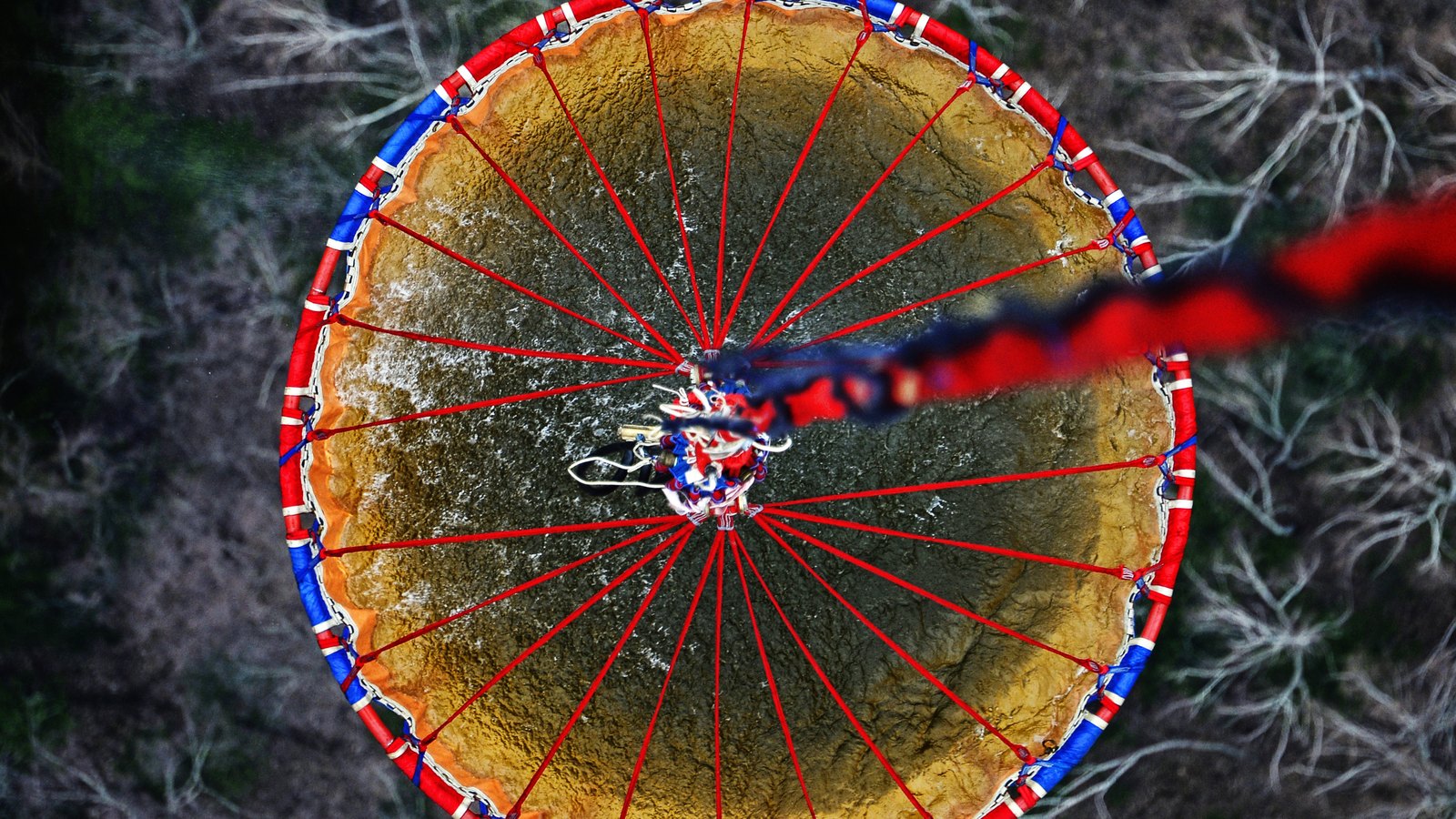
The European Union has sent four firefighting helicopters and ground teams to Serbia as wildfires continue to affect the Deliblato Sands Special Nature Reserve, one of the country’s most important natural areas.
The European Commission’s Civil Protection and Humanitarian Aid Operations directorate said more than 3,500 hectares had already been impacted. Serbia activated the EU Civil Protection Mechanism on Friday 21 August and requested assistance as the fires continued to spread under strong winds, difficult terrain and conditions that made ground intervention harder.
Within hours of the request, the EU mobilised four helicopters from the rescEU strategic reserve based in Czechia, Romania and Slovakia. Ground firefighting teams from Germany and Romania were also deployed, and a liaison officer arrived to coordinate Serbian authorities, the EU Emergency Response Coordination Centre and the international crews.
Serbian government reporting identified the aircraft as four rescEU Black Hawk helicopters: two from Czechia, one from Slovakia and one from Romania. The government also said Romania had sent a large firefighting and rescue team and that a German team with vehicles was due to join the operation.
The response shows how the EU’s civil-protection system is intended to work during a fast-moving emergency. National crews remain in charge of the operation on the ground, while the European mechanism supplies aircraft, teams, mapping and coordination that may not be available domestically at the required scale. The assets are not a guarantee that the fire will be contained quickly; they are a way of increasing the options available to responders.
Satellite support is part of that effort. The Commission said the Copernicus Emergency Management Service had been activated on 8 August to provide mapping and analysis of the affected area. That information can help planners identify fire boundaries, access routes and areas where aircraft and ground crews can operate safely, but it cannot replace local decisions in changing wind and smoke conditions.
The fires have been burning for more than two weeks, according to the Commission. Their persistence is significant because a wildfire in a protected nature reserve is not only a threat to homes and infrastructure; it also damages ecosystems, wildlife habitat and the long-term resilience of a landscape already exposed to heat and dry conditions.
For Serbia, the immediate priority is containment. For Europe, the operation is another test of whether emergency resources can be moved quickly across borders as fire seasons become more difficult to predict. The confirmed picture is a Serbian request, four EU helicopters, international ground teams and more than 3,500 hectares affected in Deliblato Sands. The final scale of the damage will depend on what happens after the wind changes and the crews can reach the remaining fire lines.


Reader comments
Subscribers can join the conversationSign in to join the conversation. Comments are open to everyone with a free account.
Sign in or create accountLoading comments…