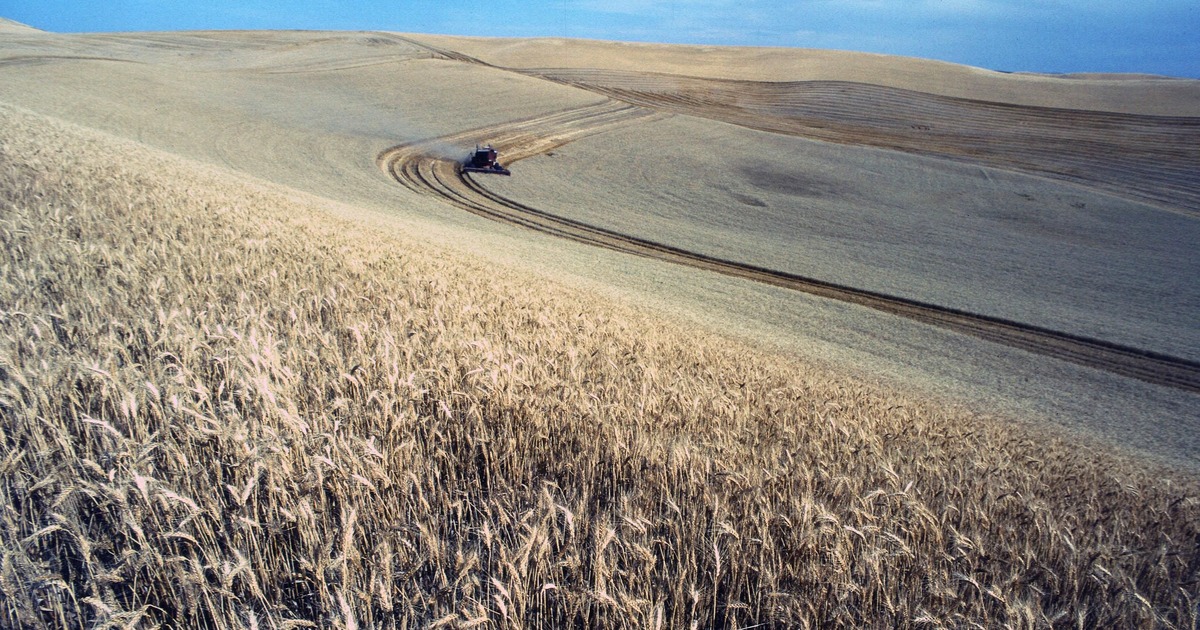
Global food prices rose in September as shipping disruption, weather concerns and uncertainty around key trade routes put fresh pressure on cereals, sugar and other staples.
The Food and Agriculture Organization’s Food Price Index averaged 136 points in September, according to UN reporting. That was 1.5% higher than in August and 5.8% above the level recorded a year earlier. Sugar rose 6.1% during the month, while the cereal index increased 5.1%.
The figures measure international commodity prices, not the exact price paid by every household. Retail costs also depend on currency movements, transport, storage, taxes and the way individual governments protect consumers. The index is nevertheless an important early signal for import-dependent countries and for agencies monitoring food insecurity.
Wheat was reported at its highest level since August 2023. The rise reflects more than one cause: production expectations, export conditions, shipping constraints and uncertainty around routes linking major suppliers to world markets. Disruption around the Black Sea and the Strait of Hormuz can increase costs even when the underlying harvest picture is mixed.
The pressure is especially significant for countries that import a large share of their staple foods. A higher global benchmark can feed into government subsidy bills, household budgets and humanitarian procurement. It can also create political pressure long before a shortage is visible in a supermarket.
The September increase does not prove that a new global food crisis is inevitable. It does show that markets are absorbing several risks at once. Weather conditions can change, shipping can recover and harvest forecasts can improve. But the combination of conflict, fragile logistics and climate volatility leaves less room for error.
The next data releases will show whether September was a temporary spike or the beginning of a longer run of pressure. For policymakers, the useful warning is already clear: food security is being shaped as much by transport and geopolitics as by what is grown in the field.
Reader comments
Subscribers can join the conversationSign in to join the conversation. Comments are open to everyone with a free account.
Sign in or create accountLoading comments…