Global food commodity prices rose again in September, the Food and Agriculture Organization of the United Nations said on Friday, as transport disruption and weather concerns added pressure across several important crop markets.
FAO’s Food Price Index averaged 136.0 points in September, up 1.5 percent from August and 5.8 percent above the level a year earlier. The index tracks monthly movements in international prices for a basket of widely traded food commodities; it is not a measure of supermarket inflation in any one country.
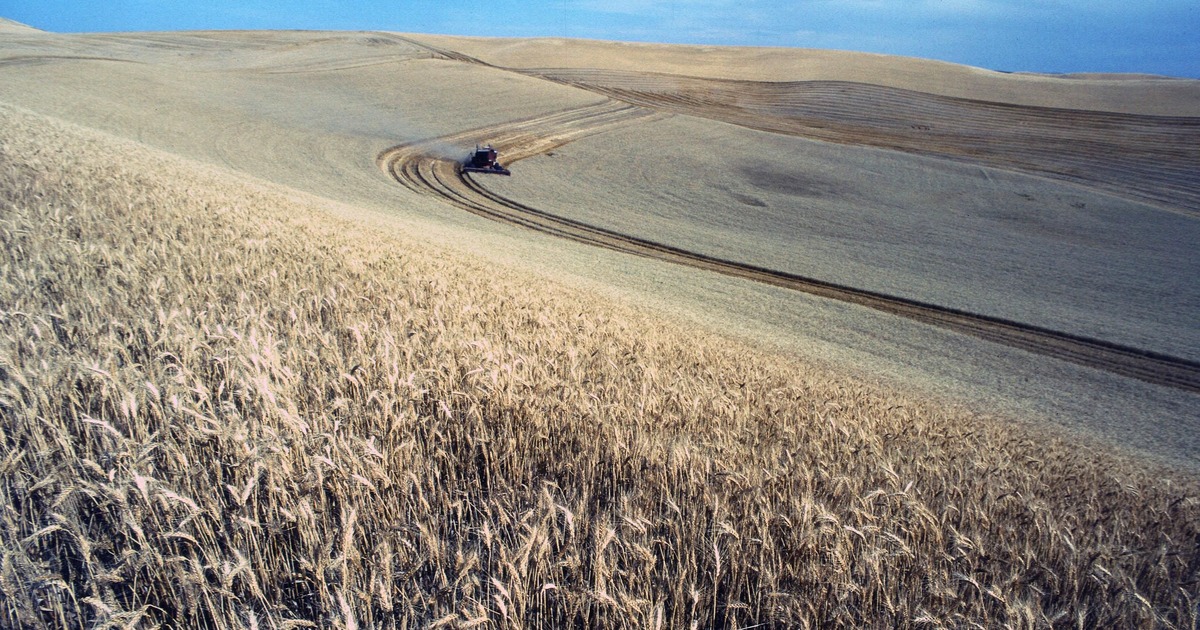
The agency said the increase was led by crop-based commodities. Its cereal index rose 5.1 percent in a month, with world wheat prices up 6.3 percent amid logistical constraints in the Black Sea region and dry weather in parts of North America ahead of sowing. Maize prices rose 5.6 percent as concerns mounted over U.S. yields, Brazilian export availability and disruption to Black Sea trade.
Rice quotations also moved higher. FAO said uncertainty over shipping through the Strait of Hormuz supported prices for some biofuel feedstocks, while the all-rice index rose 1.4 percent as Indica prices responded to weather concerns and seasonally tighter supply. Its sugar index rose 6.1 percent, reflecting expectations of a tighter 2026/27 market.
Not every category rose. Meat prices fell 1.1 percent and dairy prices slipped 0.1 percent. But FAO’s wider warning is that elevated freight rates, firmer fertiliser markets and continuing logistical disruption have made the outlook more uncertain, especially for countries that rely heavily on imported food and energy.
The agency forecast global cereal production in 2026 at 2.979 billion tonnes, down 2.1 percent from 2025 but still the second-largest harvest on record. It also expects cereal trade to decline from its 2025/26 record, citing constrained Black Sea shipping routes and insufficient alternative transport capacity. Those forecasts describe an increasingly fragile market rather than a prediction of an inevitable retail-price surge.
Reader comments
Subscribers can join the conversationSign in to join the conversation. Comments are open to everyone with a free account.
Sign in or create accountLoading comments…