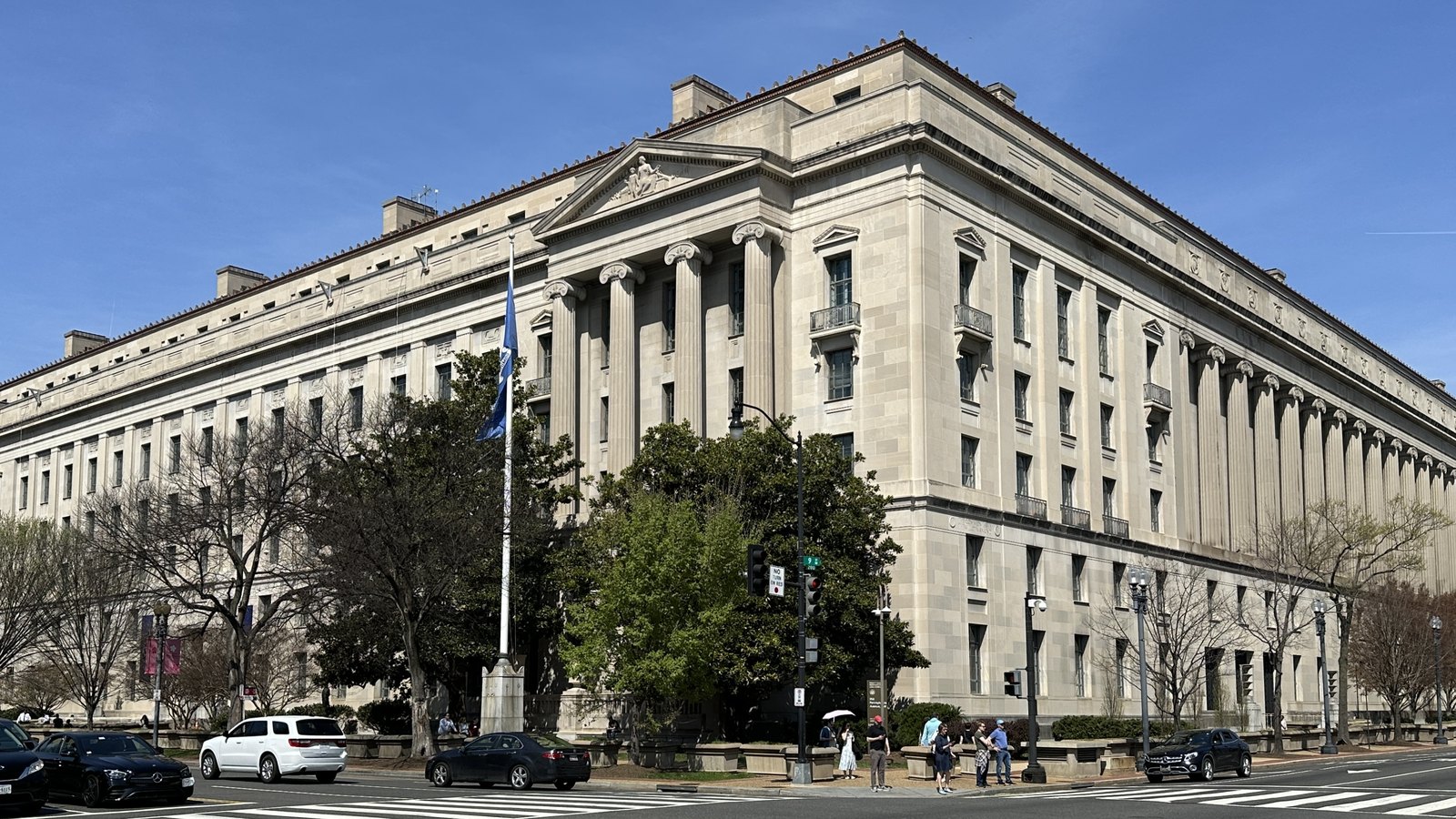
TikTok, ByteDance and affiliated entities have agreed a $400 million settlement with the United States Justice Department over litigation concerning children’s privacy, closing a case that had focused on compliance with the Children’s Online Privacy Protection Act and its regulations.
Under the agreement, TikTok will pay $300 million immediately and a further $100 million after a court enters an order vacating a prior consent decree involving Musical.ly, TikTok’s predecessor, the Justice Department said in a release issued on Friday. The department described the settlement as one of the largest recoveries in a COPPA case.
The financial terms are clear. The legal meaning requires more care. The Justice Department said the claims resolved by the agreement are allegations only and that there has been no determination of liability. The settlement therefore ends the litigation on the agreed terms without serving as a court finding that TikTok or ByteDance committed the alleged violations.
The case began with a Justice Department complaint filed in 2024. The department said TikTok had since made changes to ownership, management, compliance functions and privacy practices, including stronger safeguards for younger users, improved age-related controls and greater parental oversight. Those improvements formed part of the department’s explanation for accepting a negotiated resolution rather than continuing the case to judgment.
The settlement illustrates the unusual legal position of large social platforms. Regulators are trying to enforce protections designed for children’s data while the companies operate products whose scale, recommendation systems and age verification practices change quickly. A monetary payment can resolve a particular lawsuit, but it does not remove the need to show that safeguards work in everyday use.
The agreement also keeps the focus on the difference between formal compliance and meaningful protection. COPPA rules require particular treatment of children’s personal information, but parents and regulators still need to know whether age controls are reliable, whether data is collected only for legitimate purposes and whether privacy settings are understandable outside a legal document.
TikTok’s regulatory exposure is broader than this case. Governments in several jurisdictions are examining youth safety, data governance and the design of platforms used by minors. The Justice Department’s announcement will therefore be read as a settlement with a specific set of terms, not as a final answer to the wider question of how short-video platforms should operate around children.
For now, the verified outcome is a $400 million agreement with a staged payment structure and an explicit no-liability caveat. The next evidence will be the court’s treatment of the Musical.ly decree and the company’s continuing implementation of the privacy measures cited by the department. The settlement closes one legal chapter while leaving the practical test — whether children’s data is actually better protected — in the hands of the platform, regulators and families.

Reader comments
Subscribers can join the conversationSign in to join the conversation. Comments are open to everyone with a free account.
Sign in or create accountLoading comments…