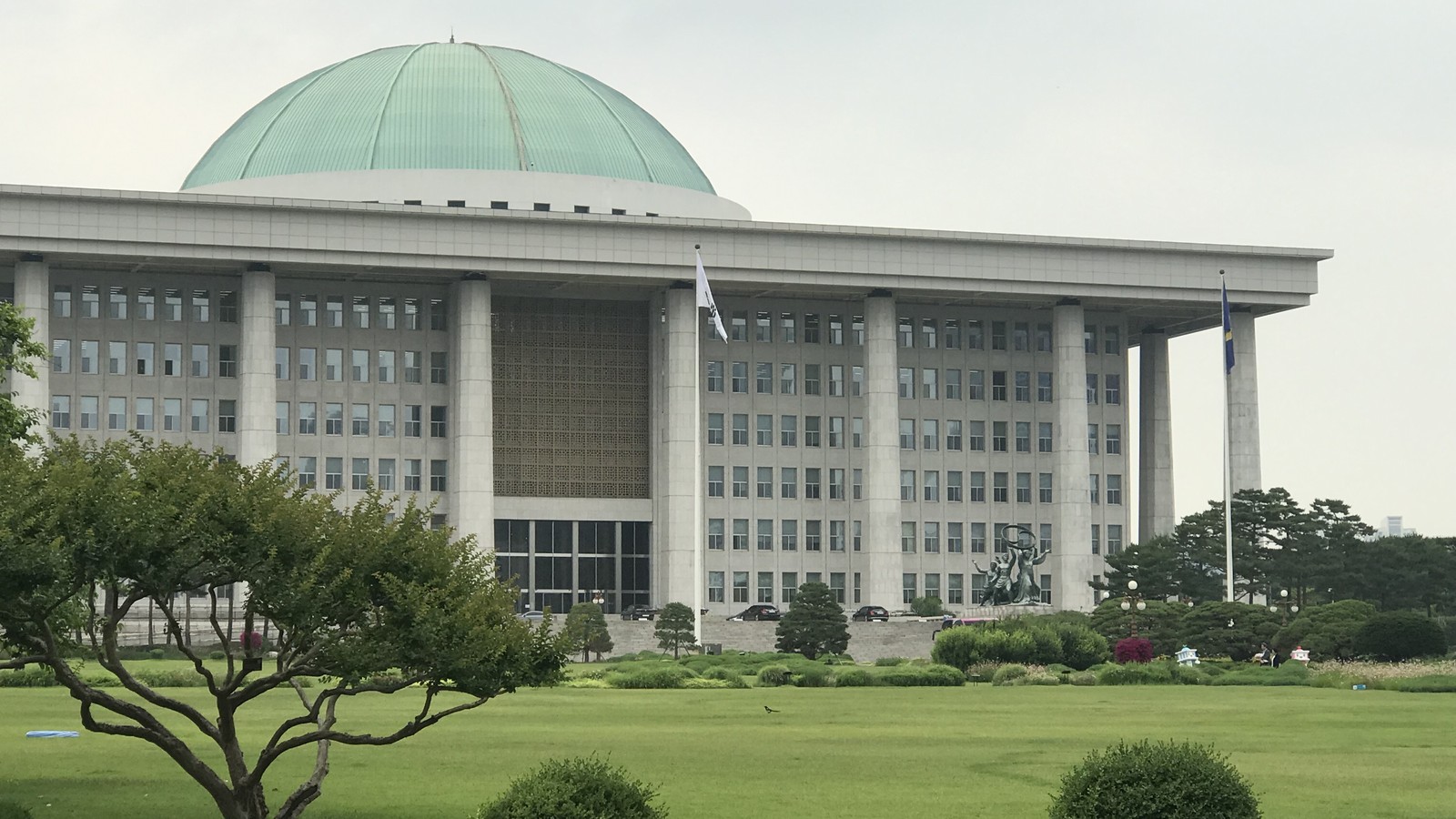
SEOUL — South Korea’s expanded espionage law took effect on Sunday, widening the offence beyond conduct benefiting North Korea to cover espionage for any foreign country or equivalent organisation. Reuters reported that the change is intended to protect advanced technologies as competition over semiconductors and other strategic industries intensifies.
The revised Criminal Act was passed by the National Assembly on 26 February after years of criticism that the existing law was poorly suited to cases involving non-North Korean governments or companies. The new offence carries a minimum sentence of three years in prison, according to the Reuters report.
Under the previous framework, prosecutors often had to rely on industrial-technology or trade-secret provisions when alleged leaks involved actors other than North Korea. The amendment therefore changes both the available offence and the political language around technology: a stolen chip process can be treated as a national-security matter even when the alleged beneficiary is not a traditional military adversary.
South Korea’s National Intelligence Service welcomed the change, saying it would strengthen protection for semiconductors, displays, batteries and artificial intelligence. A government press release also said a specialised investigative division for advanced-technology leakage had begun operating in June, with an expanded technology-police force.
The new law closes a stated legal gap, but it does not settle every case. Investigators will still need to prove who obtained information, how it was transferred and whether the conduct meets the new threshold rather than reflecting lawful employee movement or commercial competition. In a chip industry that depends on international investment and talent, deterrence and due process will have to advance together.



Reader comments
Subscribers can join the conversationSign in to join the conversation. Comments are open to everyone with a free account.
Sign in or create accountLoading comments…