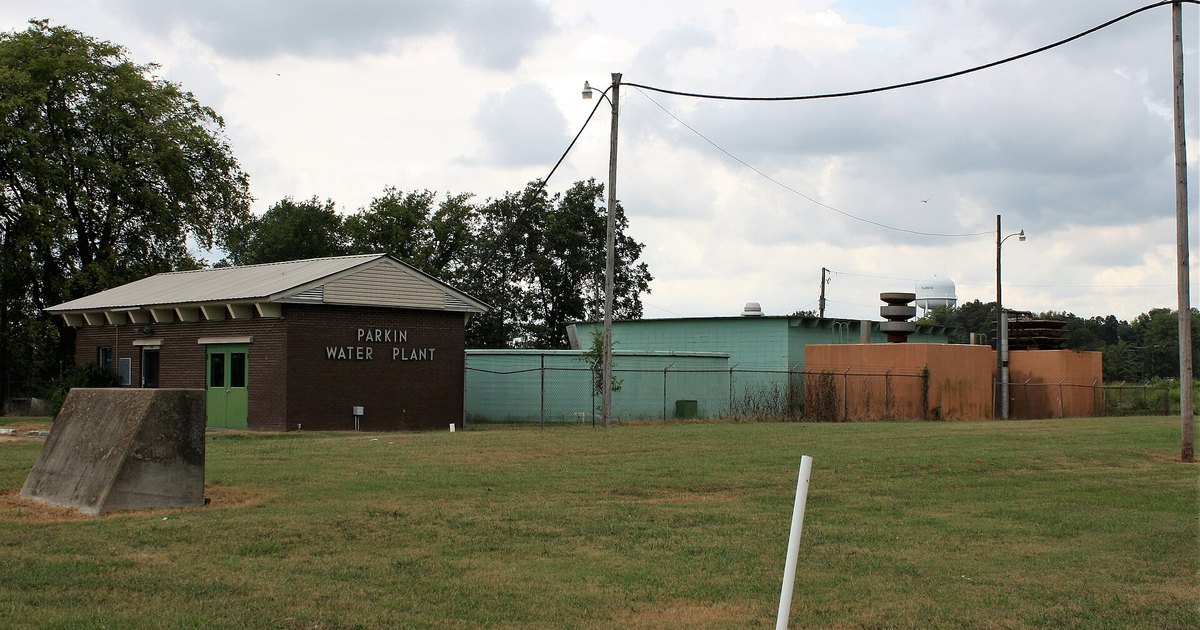
More than 30 systems targeted
Minnesota's investigation into a coordinated cyberattack on more than 30 community water systems has become a national critical-infrastructure case, with federal agencies examining whether the activity is connected to a wider wave of attacks on internet-facing industrial controls.
Minnesota IT Services said the attacks targeted operational technology on 26 and 27 July. The state activated a coordinated response with the FBI, CISA, Environmental Protection Agency, health officials and local utilities.
The investigation remains active. Minnesota has not publicly attributed the attacks to a government or named hacking group.
A small town meets a global threat
One of the clearest examples occurred in Braham, a city of about 1,800 people. A public-works operator discovered that a well used to refill the water tower was not responding as the tower level fell.
The failure came during extreme heat, prompting officials to ask residents to minimise water use while technicians investigated and the town relied on the limited supply already in the tower.
The system was restored without lasting damage, but the incident showed how an intrusion into a relatively small utility can create immediate physical consequences.
Why Iran is part of the investigation
The timing has focused attention on Iran because US agencies were already warning about Iranian-affiliated cyber activity against industrial controllers.
In April, the FBI, CISA, NSA, EPA and other agencies said Iranian-affiliated actors were exploiting internet-facing programmable logic controllers across several US critical-infrastructure sectors, including water and wastewater.
That earlier advisory is important context, not proof that the same actors carried out the Minnesota attacks. Federal investigators have not publicly announced an attribution for the Minnesota incidents.
The PLC security problem
On 30 July, the FBI and EPA issued a separate warning that water utilities in at least seven states had reported incidents involving internet-facing Rockwell Automation/Allen-Bradley PLCs since 27 July.
Attackers had changed IP addresses and passwords, causing loss of monitoring or control. Reported operational effects included loss of water pressure and flooding.
PLCs are designed to run physical processes reliably, often for many years. The security problem arises when older or weakly protected devices are exposed directly to the internet, use poor authentication or depend on remote-access arrangements that were designed for convenience rather than hostile networks.
Federal guidance recommends removing controllers from direct public exposure, using secure gateways and firewalls, enforcing strong unique passwords and preserving the ability to operate systems manually.
The Minnesota attacks did not contaminate drinking water according to the public information available. Their significance lies elsewhere: a system that serves a small town can still be reachable from anywhere, and a digital intrusion can quickly become a problem of pumps, pressure and physical supply.

Reader comments
Subscribers can join the conversationSign in to join the conversation. Comments are open to everyone with a free account.
Sign in or create accountLoading comments…