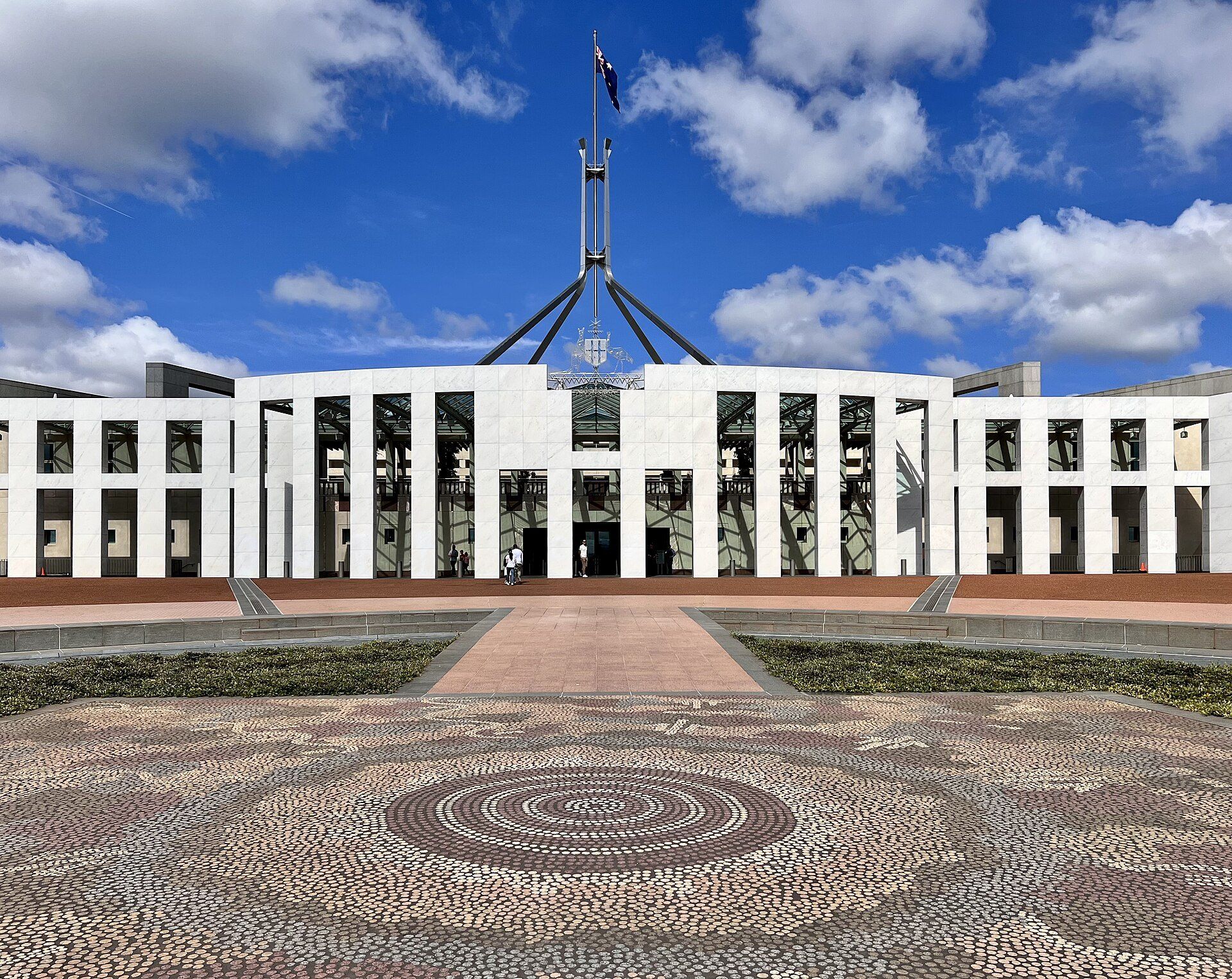
Australia’s Parliament on Wednesday passed sweeping online safety legislation that requires major digital platforms to proactively prevent foreseeable harms or face fines of up to 5% of their global annual revenue.
The Online Safety Amendment (Digital Duty of Care) Bill 2026 cleared the Senate after the governing Labor administration reached an agreement with the Australian Greens. Under the statute, social media networks, apps, online games and artificial-intelligence chatbots must put basic safety safeguards in place to protect users — and particularly under-18s — from seriously harmful material, conduct and product features, including content that encourages eating disorders, glorifies crime or dangerous stunts, causes serious mental distress or promotes hostile attitudes towards women.
Breaches of the duty can attract penalties of up to 5% of a company’s global turnover or A$109.2 million, whichever is greater — a ceiling raised during negotiations with the Greens that could expose major technology firms to multibillion-dollar fines. The law also introduces a private right of action enabling individuals or groups to take online service providers to court for breaches that cause loss or damage, and mandates a “My Feed, My Way” option allowing users to turn off algorithmic social-media feeds.
In addition, the legislation expands the eSafety Commissioner’s powers to remove “nudify” apps and websites and respond more rapidly to cyberbullying and abuse. The government said the core Digital Duty of Care will take effect after a 12-month transition period.
Communications Minister Anika Wells described the bill as Australia’s most significant online safety reform and said she met US Ambassador David Brat on Tuesday to discuss Washington’s objections, insisting Canberra would not step back from protecting children online. The United States has raised concerns over free-expression impacts and disproportionate burdens on American tech companies, while digital industry group DIGI criticised what it called vague obligations and potential privacy risks.



Reader comments
Subscribers can join the conversationSign in to join the conversation. Comments are open to everyone with a free account.
Sign in or create accountLoading comments…