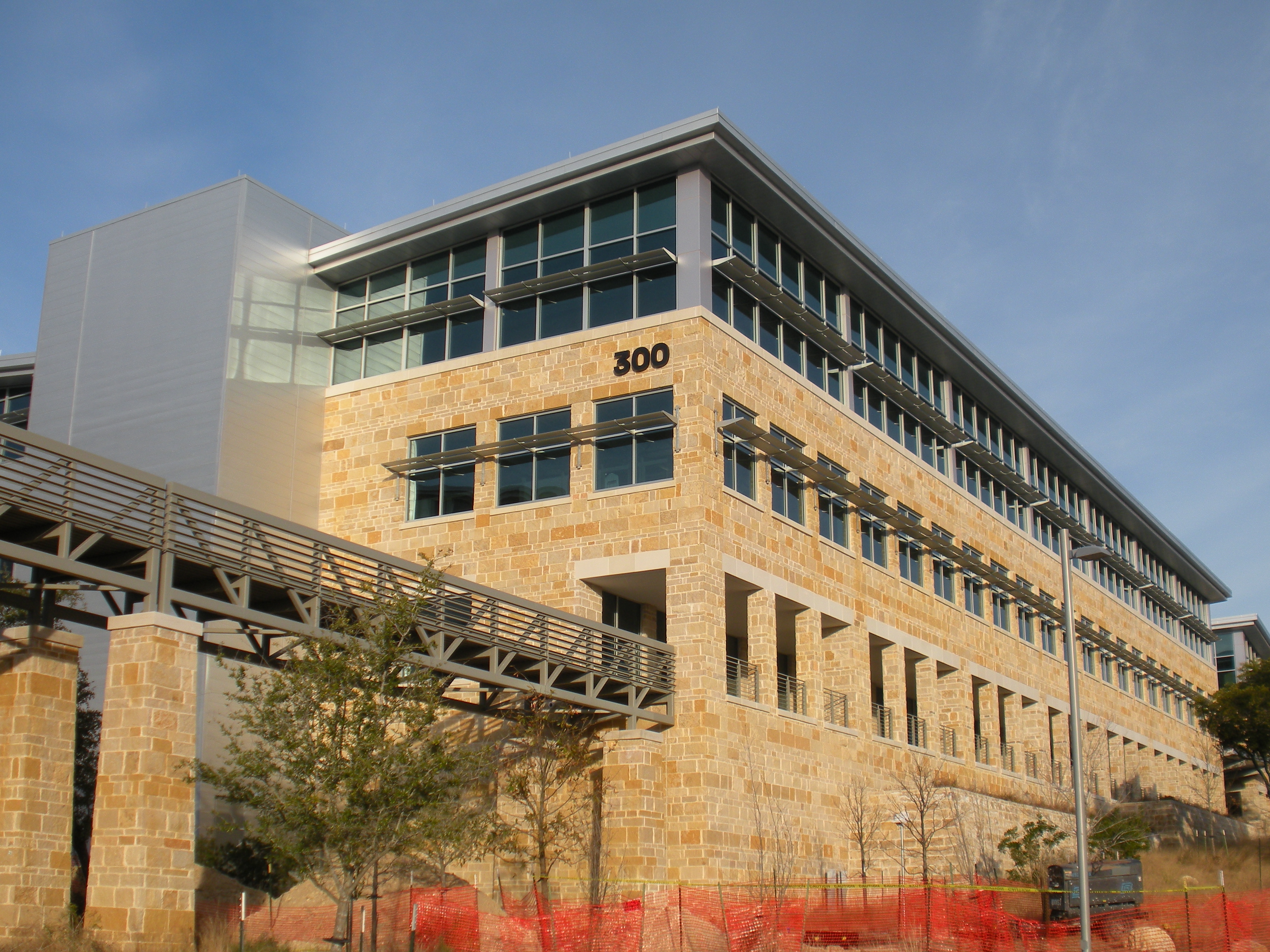
AMD has agreed to invest up to $5 billion in Anthropic as part of a large artificial-intelligence infrastructure partnership designed to challenge Nvidia's dominance of the market for advanced chips.
Anthropic plans to deploy up to two gigawatts of AMD computing capacity, with the first gigawatt expected to begin operating in the first half of 2027. The agreement could translate into tens of billions of dollars in server purchases over time.
The system will use AMD's Helios rack-scale architecture, including Instinct MI455X graphics processors, EPYC processors, Pensando networking and the company's ROCm software platform.
The equity investment will be linked to deployment milestones rather than paid as a single unconditional sum. That structure ties AMD's financial commitment to Anthropic's use of its technology and the growth of the partnership.
The two companies will also establish a multi-year engineering collaboration. Anthropic will work with AMD to optimise Claude workloads for its hardware, while AMD plans to use Claude across parts of its engineering and product-development operations.
The agreement is strategically important for both sides. AMD gains a major frontier-AI customer at a scale that could strengthen its position against Nvidia. Anthropic gains more computing capacity and reduces dependence on any single supplier.
Nvidia remains the dominant provider of high-end AI accelerators and benefits from a deeply established software ecosystem. AMD has invested heavily in improving its chips, networking and ROCm platform, but large deployments are essential if it is to prove that customers can run frontier models efficiently at scale.
Anthropic already uses infrastructure from several companies, including Amazon, Google and Nvidia. Adding AMD gives the Claude developer more flexibility to assign different workloads to different hardware and negotiate capacity in a market where demand continues to exceed supply.
The scale of the deal is measured not only in chips but in power. Two gigawatts is comparable to the electricity consumption of a large city. Building that capacity requires data centres, grid connections, cooling systems, networking and long-term energy agreements.
That infrastructure race is changing the economics of artificial intelligence. Model developers are raising and spending extraordinary amounts of capital before the revenue from AI services has fully matured.
The partnership also illustrates the increasingly circular structure of the sector. A chip company invests in an AI developer, while the developer commits to buying large quantities of the investor's technology. Supporters say the arrangement accelerates deployment; critics may question whether such deals obscure the underlying economics.
The agreement shows that access to electricity, chips and data-centre capacity has become as important to AI competition as the models themselves.
For AMD, success will depend on delivering systems that perform reliably at gigawatt scale. For Anthropic, the challenge is turning enormous infrastructure commitments into sustainable demand for Claude.



Reader comments
Subscribers can join the conversationSign in to join the conversation. Comments are open to everyone with a free account.
Sign in or create accountLoading comments…