
European football has moved towards an unprecedented confrontation with FIFA after all 55 UEFA member associations backed a conditional boycott of global competitions over plans to bring private investors into a new commercial and events subsidiary.
The associations said their national teams would not participate in FIFA competitions for as long as the proposals remained alive, unless the plan was abandoned and binding assurances were given that governance or competitions would not be opened to private ownership.
What FIFA is proposing
FIFA wants to create FIFA Forward Enterprise, a subsidiary that would combine commercial rights such as broadcasting, sponsorship, ticketing and licensing with the operational delivery of tournaments. It says the company would remain FIFA-owned and controlled.
The governing body plans to raise up to $4.2 billion from carefully selected minority, non-controlling investors, based on an initial valuation of $20 billion. FIFA says it would retain sole authority over football governance, competitions, the international calendar and all sporting and regulatory decisions.
The funding argument
FIFA presents the plan as a way to expand development funding. Each of its 211 member associations could gain access to an optional one-off $20 million for special projects. Regular Forward funding would also rise from a budgeted $8 million to $20 million per association for the 2027-30 cycle, with further increases planned later.
That offer matters because many smaller associations depend heavily on FIFA grants for pitches, training centres, coaching, women's football and national-team programmes. The financial incentive also explains why European officials feared the continent might not maintain a united position.
Why UEFA objects
UEFA and its members argue that private capital would acquire an economic stake in assets whose value was built by national teams, players, supporters and public institutions. Their concern is that a minority investment today could create pressure for greater investor influence over tournament formats, scheduling and commercial priorities later.
FIFA rejects the suggestion that investors would control football decisions. But UEFA says legal ownership structures cannot fully separate commercial influence from governance when the same tournaments generate the revenue and define the sporting calendar.
A boycott with real consequences
The first immediate test could come at the Under-20 Women's World Cup, followed by senior women's and men's competitions if the dispute continues. A European boycott would remove many of the world's strongest national teams and could disrupt qualifiers, broadcasting contracts and sponsorship arrangements.
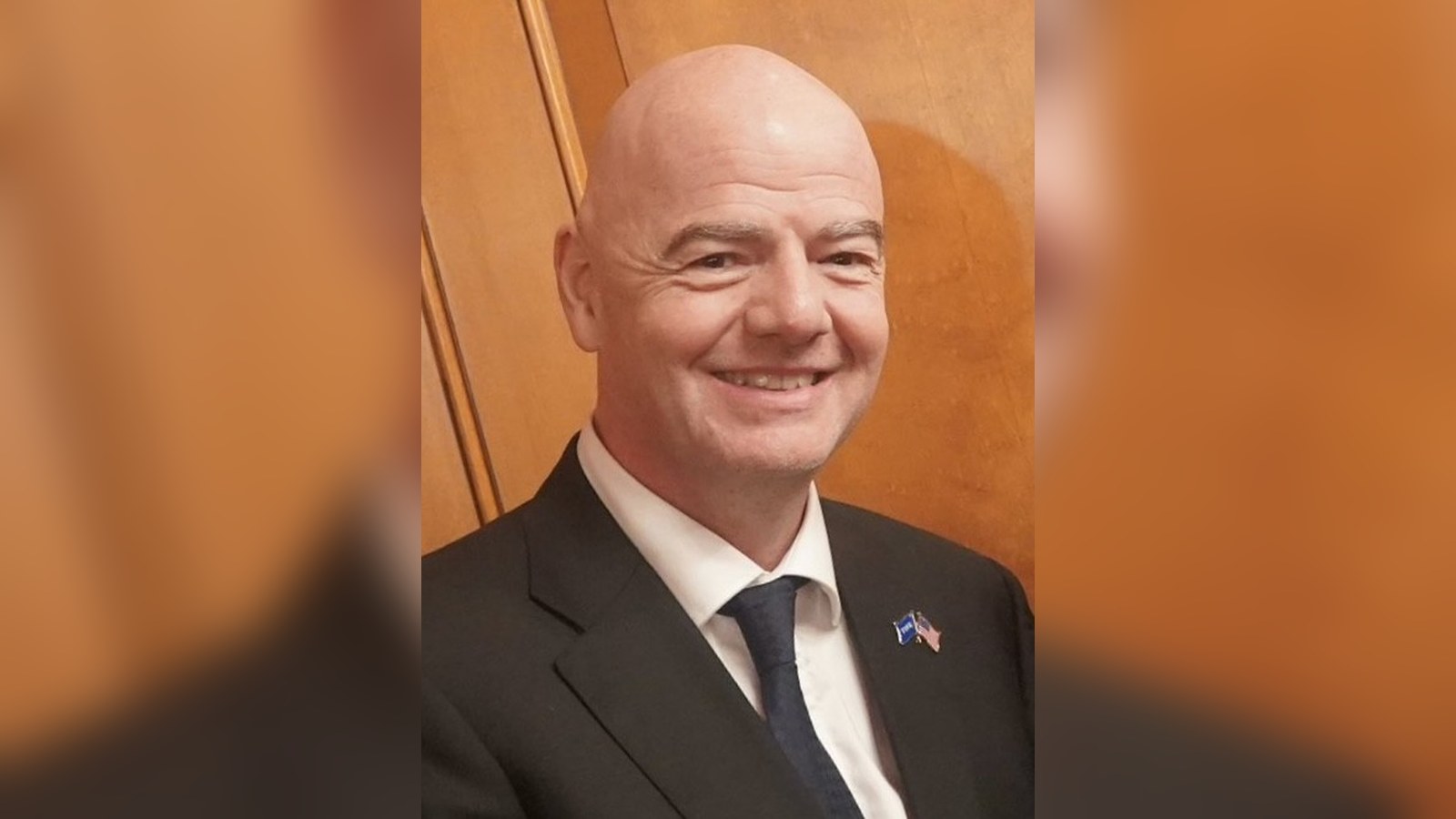
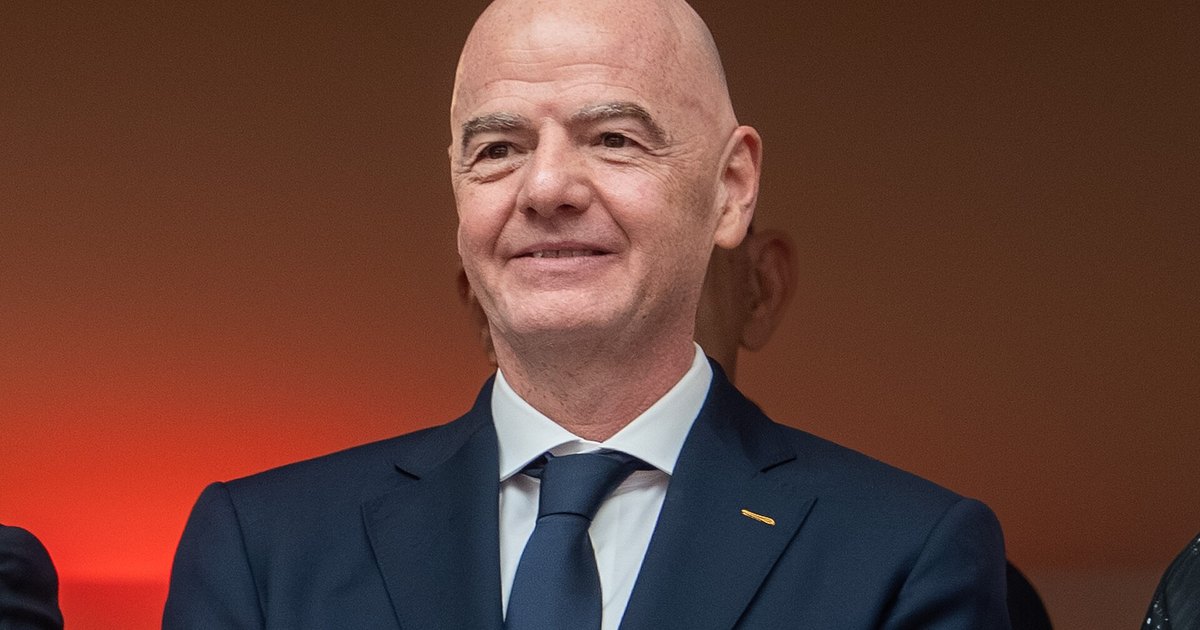
Concacaf has also rejected the proposal, although it stopped short of announcing a boycott. UEFA has invited other confederations to follow its lead, making the response outside Europe critical to FIFA president Gianni Infantino's ability to secure approval.
The political stakes
The confrontation is also a test of Infantino's leadership before FIFA's next presidential election. A development package worth billions may appeal to many associations, but the united European response shows that the cost could be a crisis of legitimacy and participation.
Both sides now face pressure to negotiate. FIFA can revise the investment structure, offer stronger protections or withdraw it. UEFA must demonstrate that its members will maintain a boycott when competitive and financial consequences become immediate. The coming weeks will show whether the threat forces compromise or opens the deepest institutional split in modern international football.
Reader comments
Subscribers can join the conversationSign in to join the conversation. Comments are open to everyone with a free account.
Sign in or create accountLoading comments…