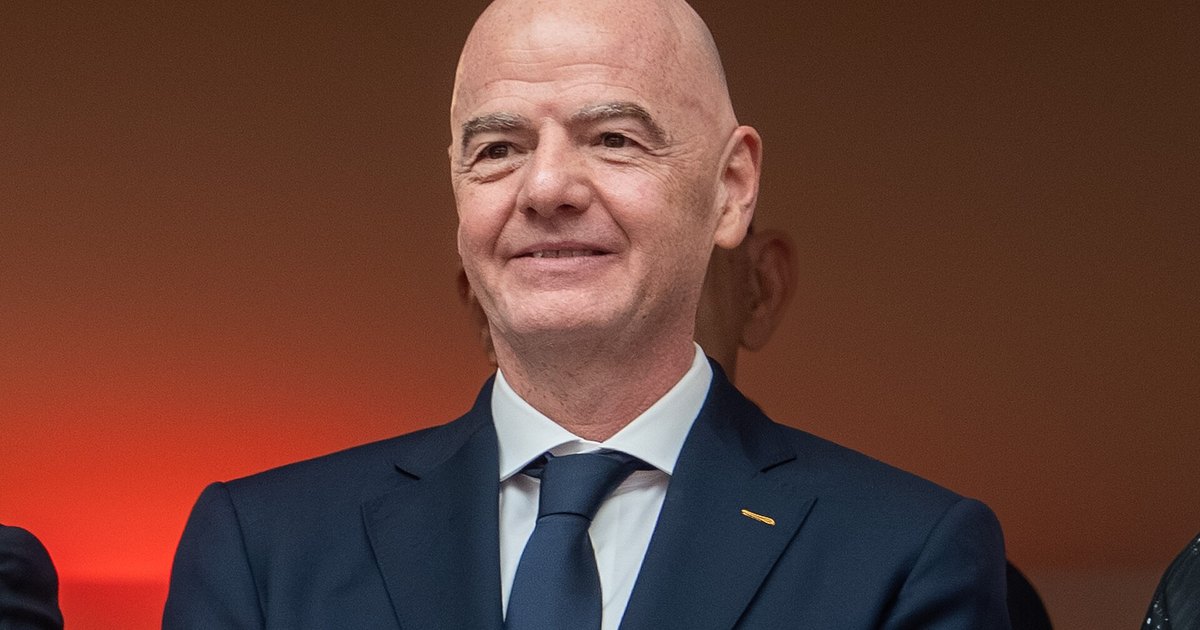
FIFA has launched a forceful defence of president Gianni Infantino, accusing unnamed critics of a 'concerted and ongoing effort' to undermine his leadership after fresh allegations connected to his years as general secretary of UEFA.
The statement followed Daily Telegraph reporting about a departure payment made to a female UEFA employee during Infantino's tenure. UEFA confirmed that a payment was made and said it complied with the regulations in force at the time. It also said its rules have since been tightened.
FIFA goes on the offensive
FIFA framed the report as part of a wider campaign against its president rather than as an isolated reputational dispute. The organisation said repeated allegations do not become true through repetition and argued that critics were trying to weaken a leadership chosen through FIFA's electoral process.
That language reflects how closely scrutiny of Infantino has become tied to a wider struggle over the direction, money and institutional balance of world football. FIFA has rejected suggestions of wrongdoing and described a number of assertions as unsubstantiated or false.
The UEFA-era payment
The existence of a departure payment is not itself disputed: UEFA has confirmed it. The argument concerns the significance attached to the circumstances around it and whether the reporting supports broader allegations about Infantino. UEFA's position that the payment complied with the rules then in force is therefore an important part of the public record.
A larger power struggle
The row arrives during a sharp confrontation between FIFA and major football bodies over a proposed commercial structure linked to World Cup revenues and outside investment. UEFA has been at the centre of resistance, while CONCACAF and the Asian Football Confederation have also objected to the proposal.
The dispute has moved beyond finance into questions of consultation, control and the influence confederations have over FIFA's direction. FIFA says its plans can expand development funding and that it would retain control over football governance and sporting decisions; critics argue the process has not provided enough institutional scrutiny.
Why the row matters for governance
FIFA is a global association whose national federations elect the president, but its biggest competitions depend on cooperation with confederations, leagues, clubs, broadcasters, sponsors and host governments. Formal electoral support does not remove the political cost of resistance from powerful parts of the game.
That is why the latest statement matters beyond the allegation that triggered it. FIFA has chosen to describe the criticism as an effort to undermine a democratic mandate, while opponents frame the broader conflict as a question of transparency and control. The argument over Infantino is increasingly an argument over how FIFA itself should be governed.
Reader comments
Subscribers can join the conversationSign in to join the conversation. Comments are open to everyone with a free account.
Sign in or create accountLoading comments…