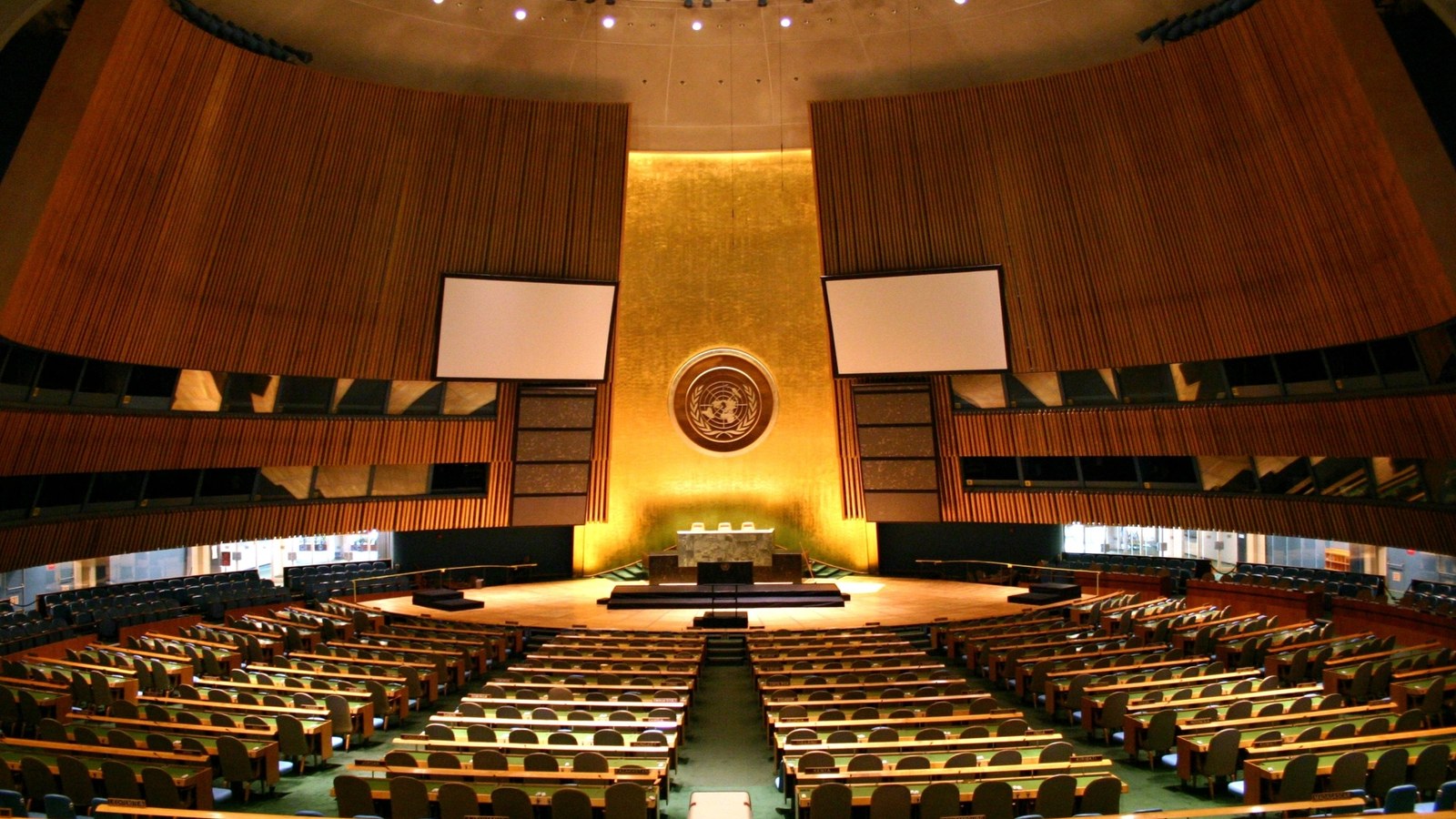
Regional wars are dominating the United Nations week as leaders gather in New York, with the latest Associated Press reporting placing the Middle East at the centre of conversations about escalation, diplomacy and the limits of international pressure.
The immediate warning comes from Iran. An Associated Press briefing reported that Iran's Revolutionary Guard warned the United States against escalation. That is a political and military signal, not proof that a wider conflict is inevitable; its significance lies in the way it narrows the room for miscalculation.
For regional governments, the UN offers a stage on which to defend positions, seek support and test whether language can be turned into action. For civilians caught in the wars, speeches matter only when they change the conditions on the ground: access, security, displacement and the prospect of a ceasefire.
The diplomatic difficulty is that several crises are now being discussed together. A decision taken in one theatre can alter calculations in another through alliances, shipping routes, energy markets and domestic politics. That makes restraint harder to signal and easier to misread.
The New York meetings will not resolve those conflicts by themselves. They will, however, show whether governments are still trying to build a common vocabulary for de-escalation — or merely using the UN to announce that the next move belongs to someone else.
Reader comments
Subscribers can join the conversationSign in to join the conversation. Comments are open to everyone with a free account.
Sign in or create accountLoading comments…