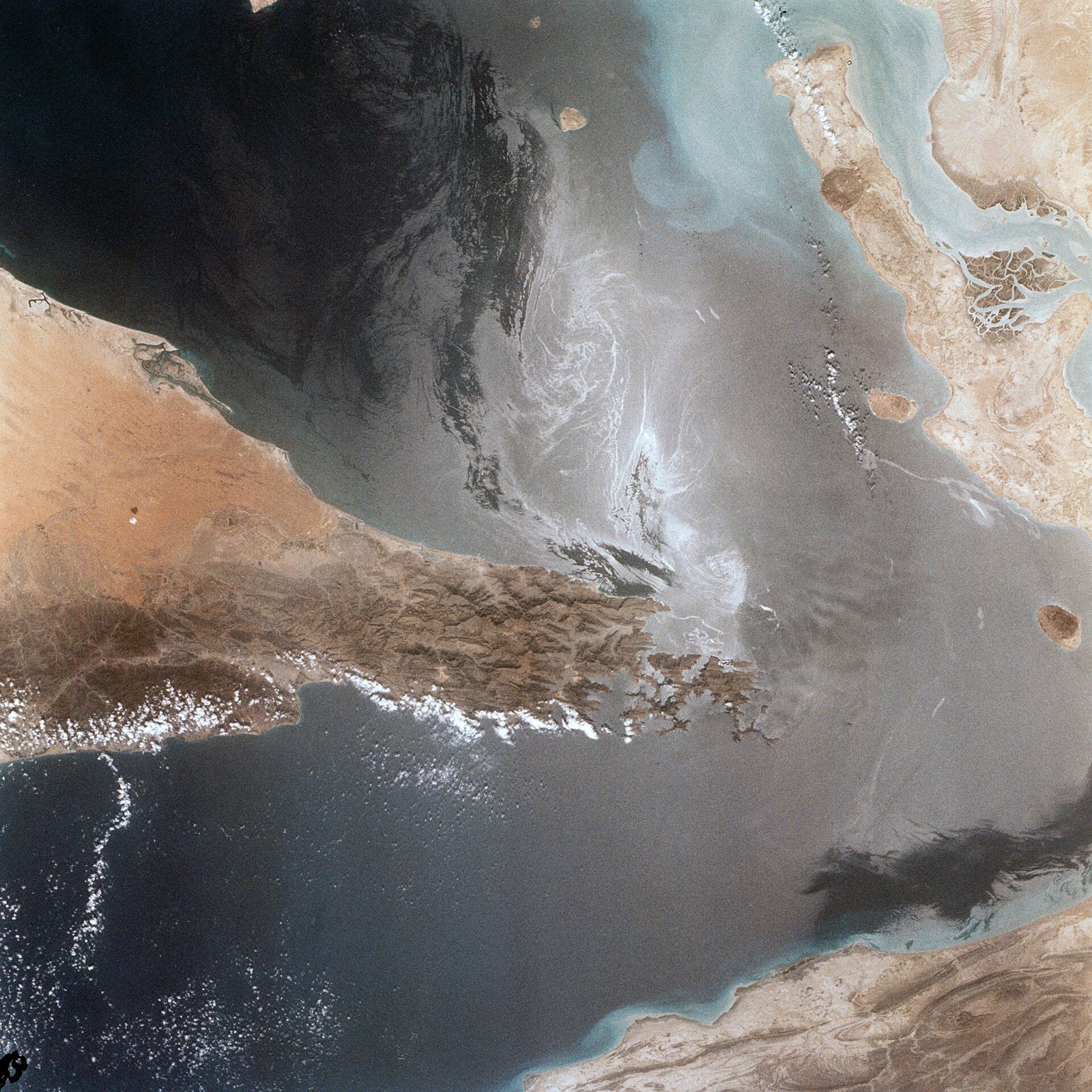
Iran says it has offered to reopen the Strait of Hormuz within six days, but only if Washington lifts sanctions on Iranian oil exports, ends the war on all fronts and releases some frozen Iranian assets.
The proposal, reported by the Guardian, would also accelerate talks on Iran’s nuclear programme. Iranian foreign minister Abbas Araghchi said Tehran was waiting for a US response and that Oman and Iran had agreed on the details of a temporary route through the strait.
The distinction between an offer and a reopening is crucial. Shipping has not been restored simply because Tehran has announced terms; the proposal remains conditional, and Washington, Israel, Saudi Arabia and other governments have interests in how any route would be controlled.
The strait is a pressure point because it links the Persian Gulf with the Gulf of Oman and carries a major share of global energy traffic. A temporary arrangement could ease the immediate chokehold on trade and prices, but it would also force decisions about navigation, tolls, military vessels and who guarantees safe passage.
Ed Miliband told Araghchi that the UK supports freedom of navigation and a diplomatic solution, according to the report. That makes the British position part of a wider test: whether diplomacy can separate the shipping question from the wars and alliances that produced the crisis.
For now, the headline is a conditional route back to the water, not a confirmed reopening. The next evidence will be the US response, the position of the Gulf states and any formal notice to maritime authorities.
Reader comments
Subscribers can join the conversationSign in to join the conversation. Comments are open to everyone with a free account.
Sign in or create accountLoading comments…